

The United Nations General Assembly concluded an extraordinary three-day session on climate change in New York on Friday, adopting the New York Climate Resolution by a vote of 142 in favour, 9 against, and 28 abstentions. The resolution calls on all member states to submit revised nationally determined contributions committing to a reduction in greenhouse gas emissions of at least 50 percent from 2019 baseline levels by 2035, a considerably more ambitious target than the prior global framework.
The Path to the Resolution
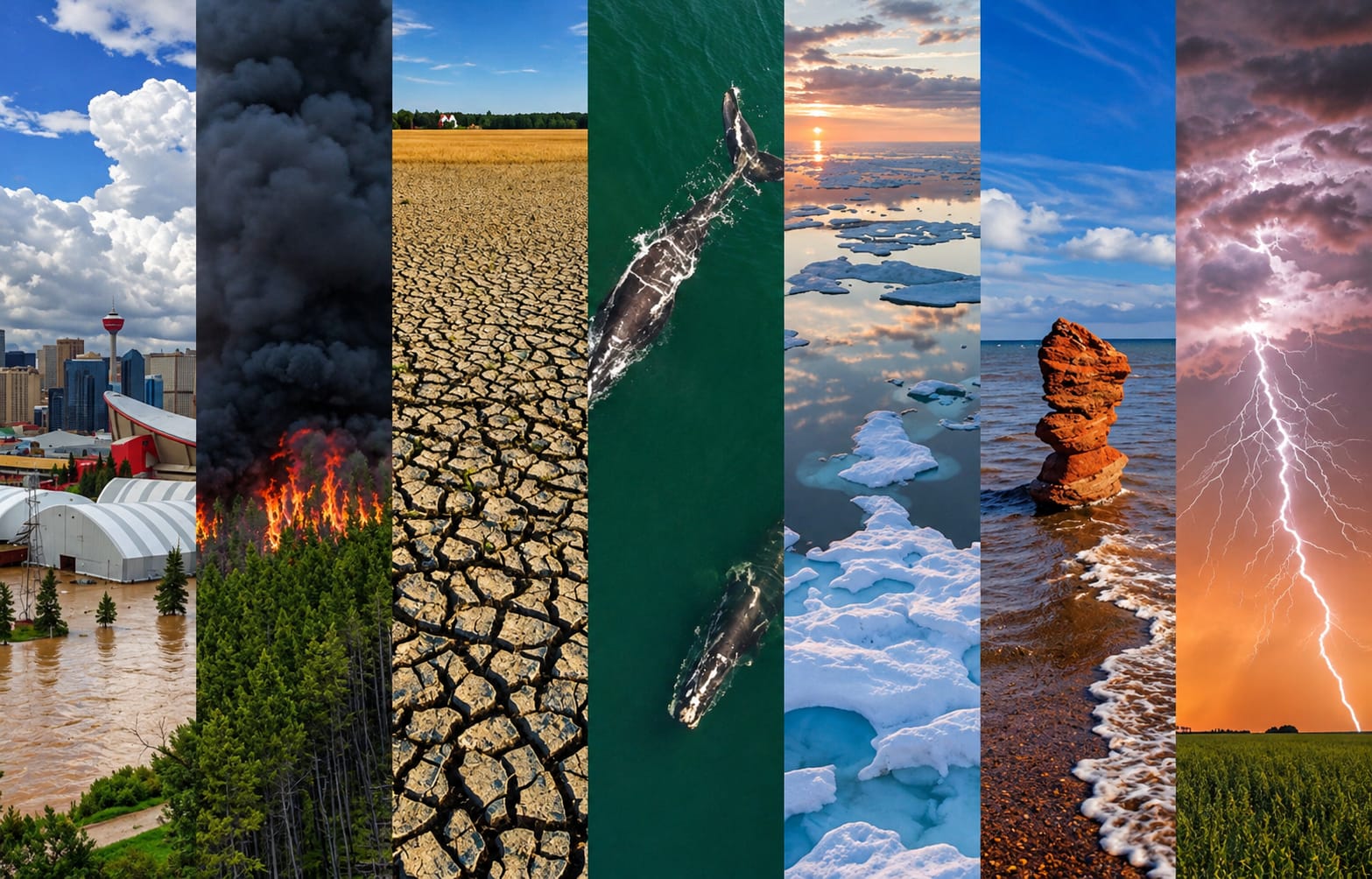
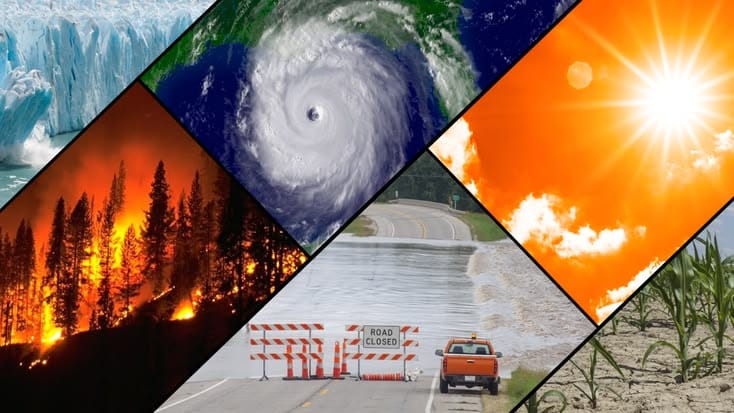
The extraordinary session was convened following a series of extreme climate events in the first half of 2026 that broke records and caused widespread destruction across multiple continents. A catastrophic monsoon season in South Asia displaced 28 million people in June, while extended drought conditions in East Africa threatened food security for 65 million people across the Horn of Africa region. The severity of these events galvanised political support for a strengthened global response.
UN Secretary-General Antonio Guterres, who addressed the opening session in terms that one diplomat described as "the most urgent speech I have heard in this hall," cited the latest Intergovernmental Panel on Climate Change projections indicating a 68 percent probability of global average temperature rise exceeding 1.5 degrees Celsius within the next decade under current policies, and called the extraordinary session "a last, best opportunity to bend the curve before it is irreversible."
The UN General Assembly voted 142 to 9 in favour of the New York Climate Resolution, setting a 50% emissions reduction target by 2035.
The 500-Billion-Dollar Finance Mechanism
The resolution's most concrete achievement is the establishment of the Global Climate Transformation Fund, a new multilateral mechanism capitalised at 500 billion US dollars annually, sourced through contributions from developed nation governments, a levy on international aviation and shipping, and a new financial transaction tax to be applied by participating G20 economies. The fund will be administered by a reformed governance structure under the Green Climate Fund, with enhanced voting rights for recipient developing countries.
Climate finance experts note that the 500-billion-dollar figure, while falling short of the 1-trillion-dollar annual floor identified in academic studies as necessary for a comprehensive global transition, represents a three-fold increase over current annual multilateral climate finance flows and, critically, commits developed nations to disbursement rather than pledging, a distinction that has undermined previous climate finance commitments.
Major Economies' Positions
The United States, the European Union and the United Kingdom voted in favour of the resolution, with the EU's climate commissioner describing it as "a historic alignment of ambition and accountability." China and India, whose emissions trajectories are central to any global climate solution, abstained, with Beijing citing the need for equity in the transition burden and New Delhi requesting additional time to assess the impact on development priorities. Russia and Saudi Arabia were among the nine nations voting against.
The resolution establishes a 500-billion-dollar annual climate finance mechanism, triple current multilateral climate finance levels.
Implementation Challenges
Political scientists and climate policy analysts are divided on the resolution's likely impact. Proponents argue that the reputational and political pressure generated by a 142-nation majority, and the associated financial incentives from the new fund, will move national emissions trajectories meaningfully. Critics note that UN General Assembly resolutions are non-binding, and that several of the major emitting nations whose abstentions or opposition were registered have historically demonstrated a gap between international climate commitments and domestic policy implementation.
The resolution establishes a review mechanism requiring states to submit progress reports every two years to a new UN Climate Accountability Panel, an independent body with authority to publish assessments of national performance and issue formal findings of non-compliance, though without enforcement powers beyond diplomatic and reputational consequences.
Regional Perspectives
Small island developing states, whose continued existence is directly threatened by sea level rise, were among the most vocal advocates for the stronger targets. Mia Mottley, Prime Minister of Barbados and a leading voice on climate finance, described the resolution as "a moment of historical significance, imperfect but necessary, that future generations will judge us by." Pacific Island Forum member states issued a joint statement calling the resolution a "minimum threshold" and pledging to campaign for mandatory rather than voluntary implementation mechanisms at the next Conference of the Parties.