

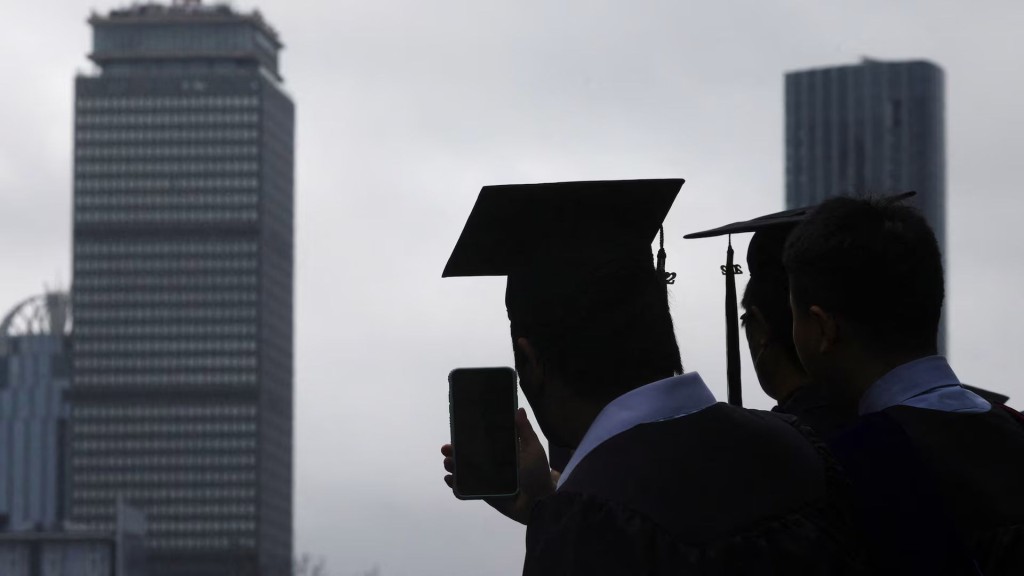
The Trump administration has proposed a $70,000 fee for each international student seeking work through the US Optional Practical Training program, a move that could sharply change how foreign graduates move from American universities into the workforce.
The Department of Homeland Security says the proposed fee would apply to the first period of Optional Practical Training, commonly known as OPT, for students holding F 1 visas. A further $30,000 fee would apply to subsequent OPT authorizations.
The proposal has not yet become law. It must go through a public comment period before DHS can issue a final rule, meaning international students currently studying in the United States are not suddenly required to pay $70,000 to work.
There is another important detail. Under the proposal, the initial fees would be paid by Student and Exchange Visitor Program certified educational institutions rather than directly by students. The scale of the proposed charge, however, could place major financial pressure on universities and colleges and could affect whether they are willing to support international students seeking OPT.
What the $70,000 OPT Proposal Would Change
OPT has long provided international students with a way to gain practical work experience connected to their studies in the United States.
Under the existing system, eligible F 1 students can generally work for a limited period in jobs related to their academic field. Students can also receive additional time if they qualify for the STEM OPT extension, which covers graduates in science, technology, engineering and mathematics fields.
The proposed rule would place a dramatically higher financial cost on that system.
DHS is proposing a $70,000 fee for the initial OPT recommendation and another $30,000 for subsequent OPT recommendations. The agency says the fees are intended to combat fraud, strengthen the immigration system and protect American workers.
The scale of the proposed fees stands out because current OPT filing costs are only a small fraction of the proposed amount. The change could therefore force universities to reconsider whether they can afford to support every international student who qualifies for the program.
For students, that could affect an important part of the transition from university to employment.
International Students Could Face a New Barrier After Graduation
For many international students, graduating from a US university is only the beginning of the process of building a career in the country.
OPT allows eligible graduates to gain experience in their chosen fields before pursuing longer term employment options. For STEM graduates, the program can provide additional time to work in the United States.
That period can also be important for employers.
A student who completes a degree in engineering, computer science or another technical field may use OPT to gain professional experience and establish a relationship with an American employer.
The proposed fee could complicate that process.
Even though schools would initially be responsible for the payment, the financial burden could influence how universities handle OPT recommendations. Some institutions could decide that the cost is too high, while others could seek ways to recover the expense from students, employers or other sources.
That possibility has made the proposal particularly significant for international students who have planned their education around the opportunity to work in the United States after graduation.

Why DHS Says It Wants the Fee
DHS says the proposed fees are designed to address what it describes as fraud and abuse within the OPT system.
The agency argues that a large fee would make employers, students and educational institutions more accountable and ensure that OPT participation is tied to legitimate training connected with F 1 student status.
DHS has also framed the proposal as a measure to protect American workers.
The department says the changes would help ensure that employers and institutions participate in OPT for appropriate purposes rather than using the program to gain access to lower cost foreign labour.
The proposal comes as the Trump administration pursues a broader effort to tighten immigration rules affecting foreign workers and international students.
That includes the H 1B visa program, which has traditionally provided a route for highly skilled foreign workers to remain in the United States after completing their education.
OPT Has Become a Pathway Into the H 1B System
The connection between OPT and H 1B visas makes the proposed change particularly significant.
For decades, international students have used American universities as a starting point for professional careers in the United States. After completing their degrees, many seek work through OPT before attempting to obtain H 1B status.
The H 1B program is widely used by technology companies and other businesses that need workers with specialised skills.
Students from countries such as India and China have made up a large share of the international talent entering American universities and later seeking skilled employment.
For employers, the system has provided access to graduates who have already studied in the United States and developed skills in fields where companies say qualified workers can be difficult to find.
A major increase in the cost of OPT could therefore affect more than students.
It could also influence universities, employers and industries that have built recruitment systems around international graduates.
Proposal Comes After Trump Made a Different Promise
The proposed OPT fee also contrasts with Donald Trump's comments during his 2024 presidential campaign.
At the time, Trump said he wanted to make it easier for foreign students who graduate from American colleges to remain in the country.
He suggested that foreign graduates could receive Green Cards automatically after completing their studies.
The new OPT proposal points in a very different direction.
Instead of making the transition from education to employment easier, the proposed rule would introduce a fee of $70,000 for initial OPT participation and $30,000 for subsequent authorizations.
That contrast is likely to become part of the debate as the administration considers public comments and possible legal challenges.

Universities Could Feel the Impact First
Because the proposed fees would initially fall on certified educational institutions, American colleges and universities could become central to the policy's effects.
Schools that enrol large numbers of international students could face substantial new costs if many graduates seek OPT.
That creates a difficult choice.
Universities could absorb the cost, decline to support some OPT recommendations or seek ways to shift some of the financial burden elsewhere.
The impact could be especially significant for institutions that rely heavily on international students for tuition revenue.
International students already make major financial contributions to American higher education. A policy that makes post graduation work more difficult could influence where prospective students decide to study.
For students comparing universities in the United States with institutions in Canada, Britain, Australia and other countries, the ability to gain professional experience after graduation can be an important consideration.
Legal Challenges Are Likely
The proposal is also expected to face legal scrutiny.
Doug Rand, director of the Talent Mobility Fund, criticised the measure on LinkedIn and argued that the proposal would face difficulties in court.
His comments came as other Trump administration immigration measures have already faced legal challenges.
The administration's $100,000 H 1B fee has also been challenged in federal court. A federal judge blocked the fee in October, adding to the legal uncertainty surrounding the administration's attempts to impose major new immigration costs.
The OPT proposal could therefore become another major test of the administration's authority to impose large fees through immigration rulemaking.
When Could the New OPT Fee Take Effect?
The $70,000 OPT fee is not currently in force.
DHS must first complete the rulemaking process.
The proposed rule calls for a public comment period of 30 days after publication in the Federal Register. If DHS moves ahead after reviewing the comments, the agency has proposed allowing additional time before the rule takes effect so that schools, students and employers can prepare.
That means international students should not treat the proposed $70,000 charge as an immediate payment requirement.
The final version of the rule could also change after public comments and potential legal challenges.
For now, the proposal has already raised a much larger question about the future of international students in the United States.
American universities have spent decades attracting students from around the world, while US companies have relied on international graduates to fill specialised positions. Making the transition from a student visa to practical work dramatically more expensive could reshape both sides of that relationship.
The question now is whether the Trump administration will move forward with the $70,000 OPT fee and how universities, students and employers respond if it does.
Would a $70,000 OPT fee make you reconsider studying in the United States, or would the value of an American degree still make it worthwhile?