

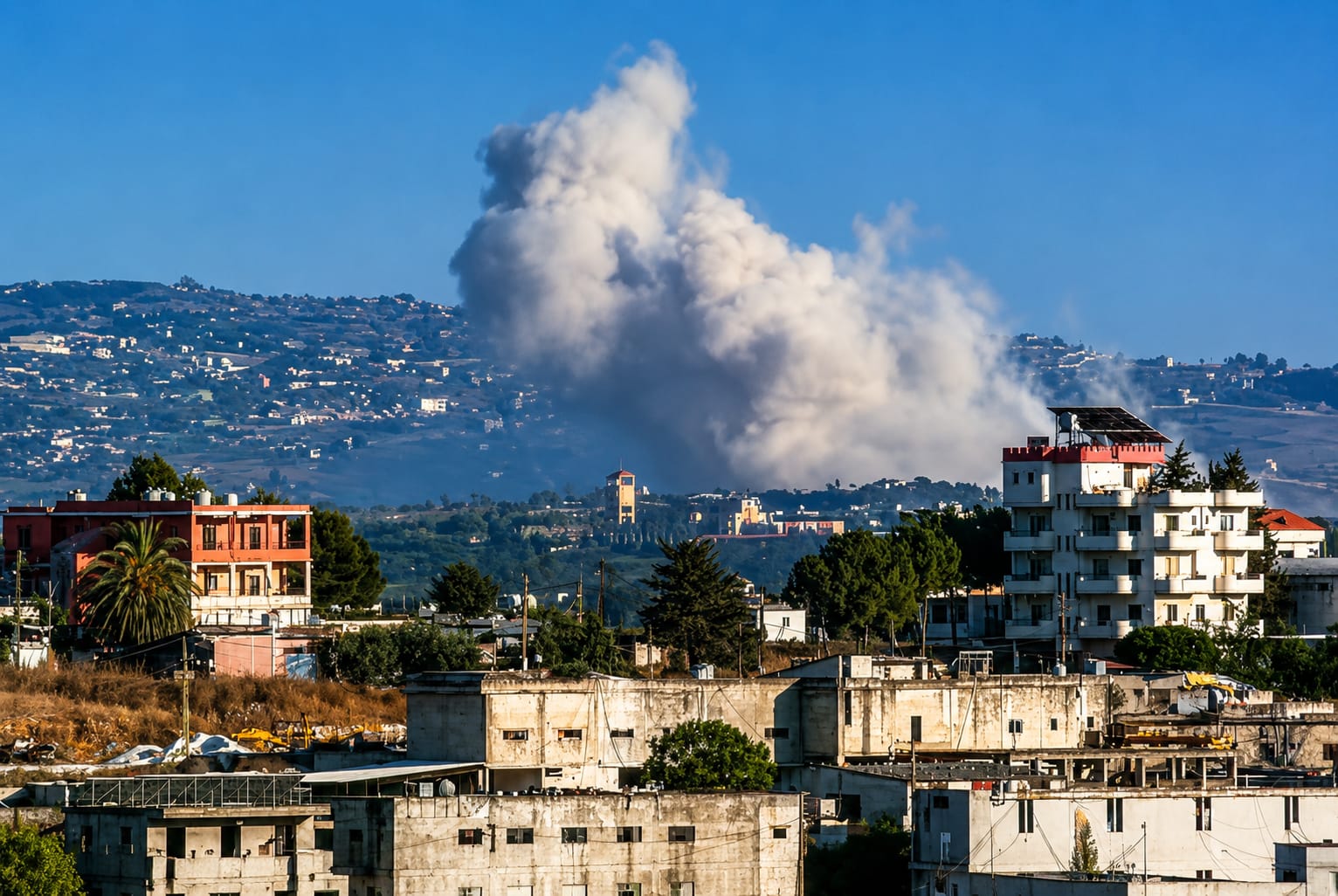
The multinational ceasefire agreement for the broader Levant region, brokered through months of intensive shuttle diplomacy by Qatari Prime Minister Mohammed bin Abdulrahman Al Thani and Egyptian Foreign Minister Badr Abdelatty, has held for 30 consecutive days, marking the longest uninterrupted cessation of hostilities in the region in over two years. United Nations emergency relief coordinator Martin Griffiths confirmed Wednesday that four humanitarian aid corridors are now operational, enabling food, medicine and shelter materials to reach populations that had been beyond access for extended periods.
The Diplomatic Architecture
The ceasefire framework, formally known as the Doha Comprehensive Humanitarian Arrangement, represents a complex multi-party agreement involving eleven distinct armed factions and the governments of six regional states, as well as commitments from the United States, the European Union and China as guarantor powers. Its durability over 30 days has surprised many seasoned diplomats who warned during negotiations that the framework's interlocking conditionalities created multiple potential points of failure.
Key to the agreement's initial durability has been the deployment of a 4,200-strong United Arab Emirates-led Arab Monitoring Force to designated buffer zones, providing a credible deterrent against ceasefire violations by any party. The force, which includes contingents from Jordan, Morocco, Bahrain and Saudi Arabia, operates under a UN Security Council mandate approved with 13 votes in favour and two abstentions.
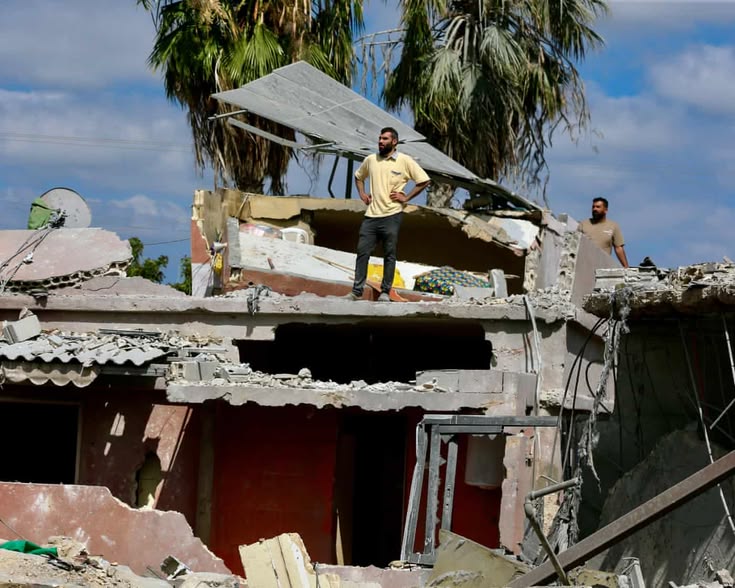
UN-coordinated humanitarian corridors have delivered over 12,400 metric tonnes of aid to previously inaccessible populations since the ceasefire took hold.
Humanitarian Relief Operations
The World Food Programme has delivered 12,400 metric tonnes of food assistance through the four active corridors since they became operational, reaching an estimated 1.8 million beneficiaries. The International Committee of the Red Cross has conducted 340 family reunion operations, reuniting separated family members across ceasefire lines. Medical teams from Medecins Sans Frontieres have established five mobile surgical units in areas where health infrastructure was destroyed during hostilities.
The UNHCR estimates that 430,000 internally displaced persons have returned to their places of origin since the ceasefire took hold, though observers caution that structural barriers including destroyed housing, contaminated water supplies and unexploded ordnance will prevent full population return in the most heavily affected areas for years. Demining operations led by the HALO Trust and DanChurchAid have been authorised under the agreement and are expected to begin in the coming weeks.
Political Process and Reconstruction
The ceasefire arrangement includes a commitment by all parties to participate in a UN-facilitated political process aimed at developing a framework for transitional governance. The first round of talks is scheduled for September in Muscat, hosted by the Sultanate of Oman. Analysts caution that the gap between the parties on fundamental governance questions remains vast, and that the ceasefire's durability depends on delivering tangible humanitarian improvements that create constituencies for continued peace across all parties.
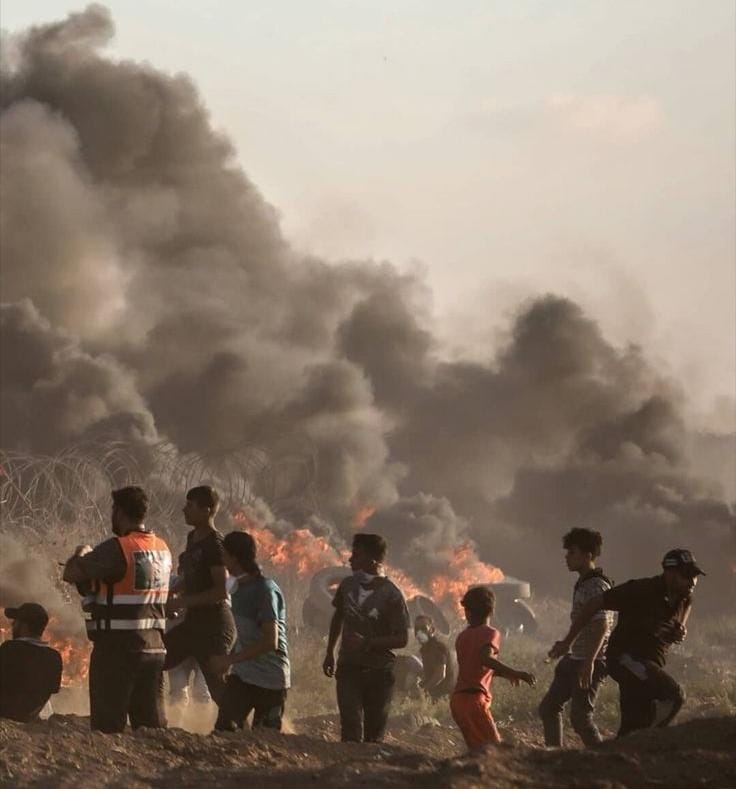
The UNHCR reports 430,000 displaced persons have returned home since the ceasefire, though reconstruction will take years in the most heavily affected areas.
Economic Dimensions
The World Bank has pledged a reconstruction financing package of 18 billion US dollars over five years, contingent on the political process achieving minimum milestones and on the establishment of credible governance institutions capable of managing disbursement transparently. Gulf Cooperation Council member states, which have historical economic interests across the region, have committed a parallel 12 billion dollar package focused on infrastructure reconstruction.
The ceasefire has immediate economic significance beyond the directly affected territories. Regional shipping insurance premiums, which had increased by as much as 340 percent at the height of hostilities due to threats to commercial navigation in contested waters, have already begun to normalise, reducing costs for global supply chains that route through the region.
Fragility and Risks
Despite the hopeful developments, seasoned observers of regional affairs counsel against premature optimism. Previous ceasefire arrangements in the region have collapsed at the 30, 60, or 90-day marks as unresolved political grievances or external actor interventions have broken the fragile consensus. The UN Secretary-General has requested the Security Council to authorise monthly reviews of the monitoring force mandate, enabling rapid response if conditions deteriorate. The coming months, particularly the period leading up to the September political talks, will be decisive in determining whether this ceasefire represents a genuine turning point.