

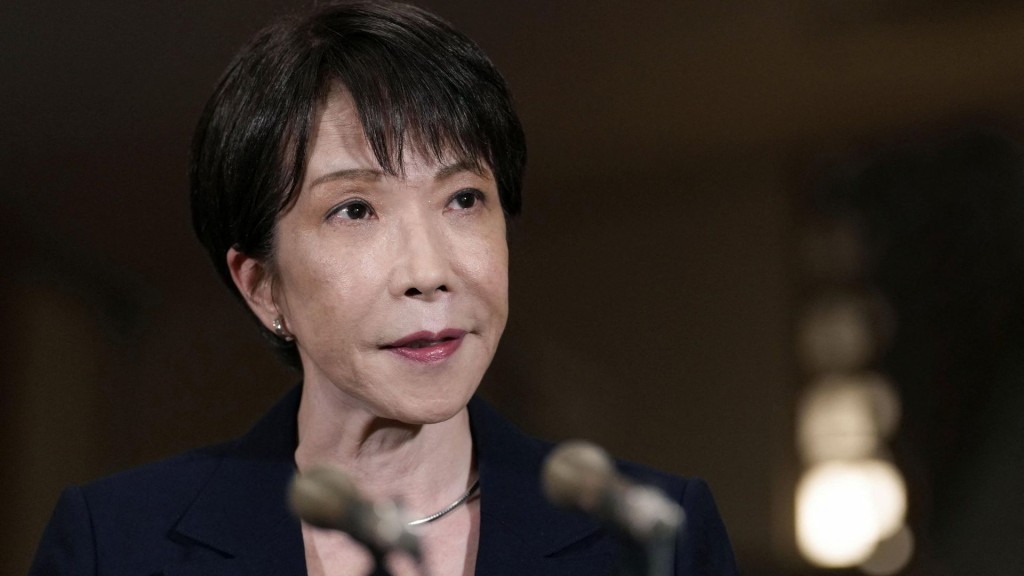
Japanese Prime Minister Sanae Takaichi is preparing to reshuffle her Cabinet and the executive leadership of the ruling Liberal Democratic Party as early as September 16, according to government sources cited by Kyodo News on Monday.
The planned changes would mark Takaichi’s first Cabinet reshuffle since she took office in October 2025 and come at an important stage for her administration, with an extraordinary session of parliament expected to be convened in early October.
The timing appears designed to give the prime minister and her newly organised government several weeks to prepare for the parliamentary session, where the administration is expected to face questions over its policy priorities, economic measures and legislative agenda.
Takaichi is expected to seek approval from the LDP’s executive committee on September 15 before formally carrying out the reshuffle the following day, according to the government sources.
Key Ministers Expected to Stay
Despite the planned changes, several senior figures are expected to retain their positions.
Foreign Minister Toshimitsu Motegi is likely to remain in charge of Japan’s foreign policy, while Defense Minister Shinjiro Koizumi is also expected to continue in his current post.
Their expected retention would provide continuity in two areas that remain closely watched by Japan’s political establishment and its international partners. The foreign ministry faces a broad diplomatic agenda, while the defense portfolio remains central to Japan’s security policy and its response to a changing regional environment.
Takaichi is also expected to keep former Prime Minister Taro Aso as LDP vice president. Shunichi Suzuki, another senior figure within the party, is expected to remain as secretary general.
The decision to preserve several experienced members of the leadership would allow Takaichi to make changes elsewhere without completely altering the political structure surrounding her government.
For the prime minister, that balance could prove important as she prepares for the next parliamentary session. A reshuffle can be used to bring new political figures into government, reward allies and respond to internal party considerations, but retaining senior officials can also help maintain continuity while major legislation is being prepared.

Reshuffle Comes After Tax Reform Decision
The Cabinet reshuffle follows the government’s approval of a tax reform package that includes a significant temporary reduction in the consumption tax on food and beverages.
Under the approved plan, the consumption tax on food and beverages would fall from 8 percent to 1 percent for two years beginning next April.
The measure represents a major change in the way the government intends to tax basic consumer purchases and is likely to become an important issue during parliamentary debate.
Food prices have a direct effect on household budgets, making changes to consumption taxes particularly sensitive for consumers. A reduction from 8 percent to 1 percent would substantially lower the tax burden on qualifying purchases, although the effect on individual households would depend on spending patterns and the precise scope of the measure.
The government will also need to address how the temporary reduction will be implemented and how the tax system will return to its previous structure once the two year period ends.
Those questions could become part of the political discussion surrounding the extraordinary parliamentary session expected in October.
First Major Cabinet Changes Since Taking Office
The planned reshuffle will be Takaichi’s first since becoming prime minister in October 2025.
Cabinet changes can serve several purposes in Japanese politics. Prime ministers can use them to bring new ministers into senior positions, strengthen relationships within the ruling party and demonstrate a change in direction without altering the government’s overall political identity.
In Takaichi’s case, the timing places the reshuffle immediately before a new parliamentary phase.
The administration is expected to use the period between the reshuffle and the opening of the extraordinary session to prepare its legislative programme and coordinate its approach to debates in parliament.
The retention of Motegi, Koizumi, Aso and Suzuki would also suggest that Takaichi is not planning a wholesale change to the senior leadership structure.
Instead, the expected arrangement points to a combination of continuity and targeted changes.
That approach could allow the prime minister to introduce new faces while keeping experienced politicians in positions where institutional knowledge and party coordination are important.
Parliamentary Session Will Test the Government
The extraordinary parliamentary session expected in early October will provide the first major test of the reshuffled administration.
Once parliament convenes, ministers will be required to explain government policy and defend the administration’s decisions. The consumption tax reform is likely to attract particular attention because it directly affects consumers and government revenue.
The government will also have to explain the practical details of the two year reduction, including how businesses will apply the new rate and how the policy will fit into the wider tax system.
For Takaichi, the parliamentary session will therefore come at a time when the government is attempting to establish its priorities after nearly a year in office.
The reshuffle gives her an opportunity to put ministers in positions that align with those priorities. At the same time, keeping several senior officials in place can reduce disruption at a time when the government needs to prepare legislation and parliamentary responses.
Party Leadership Changes to Accompany Cabinet Reshuffle
The changes are not expected to be limited to government ministers. Takaichi is also arranging changes to the Liberal Democratic Party’s executive lineup.
The party leadership plays an important role in coordinating policy, managing relations among lawmakers and supporting the government’s parliamentary strategy. Any changes to the LDP executive team will therefore be closely watched alongside the Cabinet appointments.
Takaichi is expected to seek the party executive committee’s authorization on September 15, one day before the anticipated reshuffle.
The sequence would give the prime minister a clear timetable for completing both the government and party changes before parliament reconvenes.
Keeping Aso as party vice president and Suzuki as secretary general would provide continuity at the top of the LDP even if other executive positions are changed.
The expected retention of these figures could also help Takaichi manage internal party coordination during the months ahead.
Economic Policy at the Centre of Attention
The tax package is likely to remain one of the central economic issues facing the administration as it prepares for the October parliamentary session.
Reducing the consumption tax on food and beverages from 8 percent to 1 percent is a substantial intervention because food represents a regular expense for households. The temporary nature of the measure also means the government will eventually have to address whether the rate should return to 8 percent, remain lower or be replaced by another arrangement.
For lawmakers, the debate will extend beyond the immediate benefit to consumers. They are also likely to examine the effect on government finances and the broader tax structure.
The Cabinet will need to present a clear case for the reform and explain how it fits within its wider economic programme.
The reshuffle could therefore have significance beyond personnel changes. The ministers selected to oversee economic, financial and domestic policy will have to translate the government’s decisions into legislation and defend them during parliamentary scrutiny.
What the Reshuffle Signals
The expected retention of several senior ministers and party officials suggests that Takaichi is seeking to combine continuity with a limited reorganisation of her administration.
Motegi’s expected continuation as foreign minister would preserve leadership in Japan’s diplomatic affairs. Koizumi’s expected retention would similarly maintain continuity in defense policy.
Aso and Suzuki are also expected to remain in senior LDP roles, ensuring that experienced figures continue to play a part in party management.
The appointments that have yet to be announced will show where Takaichi intends to make changes and which policy areas she considers in need of new leadership.
For now, the timetable is clear. Takaichi is expected to seek LDP approval on September 15, with the Cabinet and party leadership changes potentially taking place on September 16.
The reshuffle will then put the new team in place ahead of the extraordinary parliamentary session expected in early October, where the administration will have to defend its tax reform package and set out the next stage of its governing agenda.
The immediate test for Takaichi will be whether the new lineup can move quickly from personnel changes to policy execution, particularly as the government prepares to implement the planned reduction in the consumption tax on food and beverages from next April.