

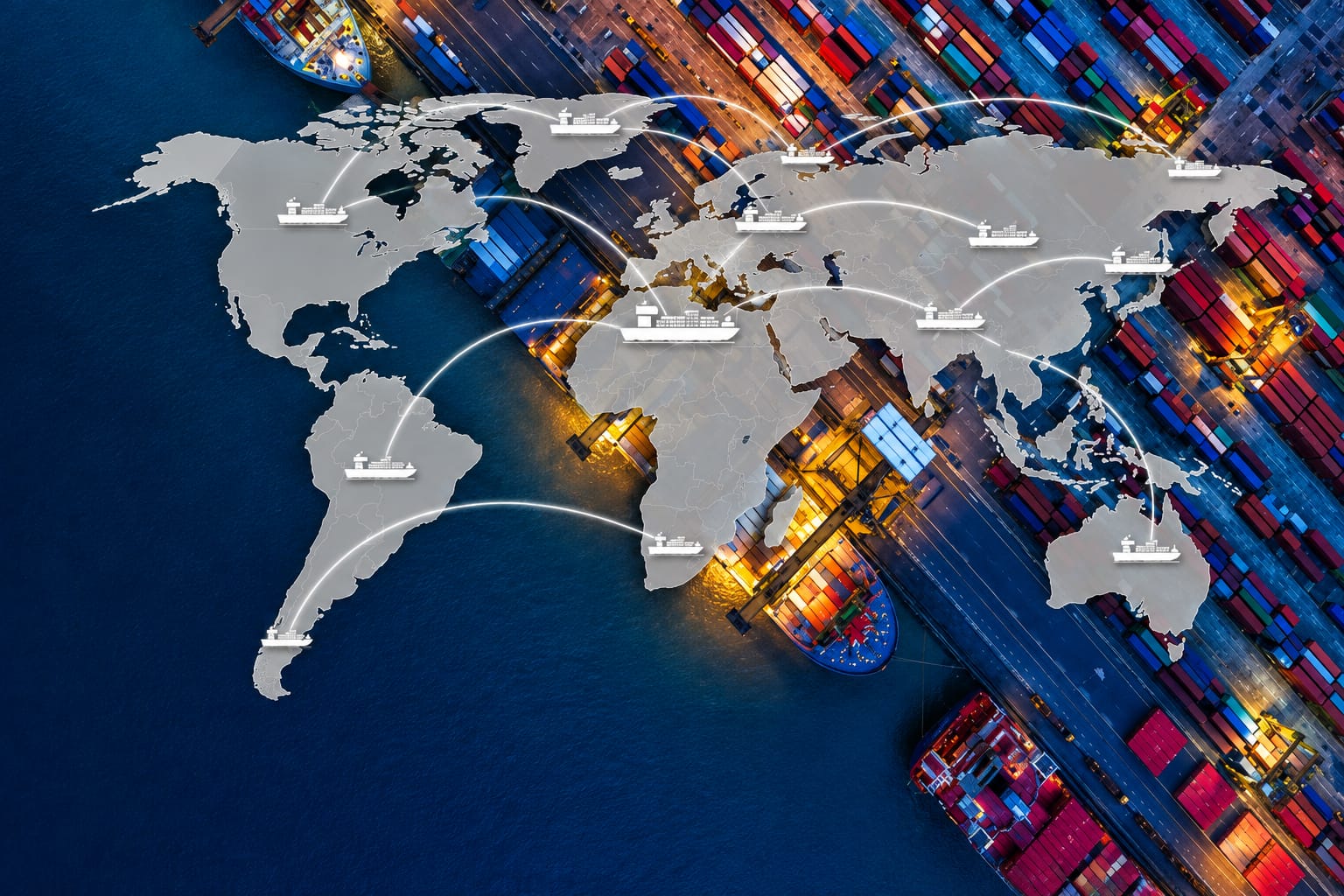
The World Trade Organisation's biennial Global Supply Chain Report, published Wednesday, documents the most significant reconfiguration of international trade flows since China's accession to the WTO in 2001. The report finds that the share of goods trade conducted within regional blocs, rather than across them, has increased from 52 percent in 2018 to 61 percent in 2025, driven by a convergence of geopolitical risk management, pandemic-era supply chain lessons, and policy incentives from major economies promoting domestic and allied-nation manufacturing.
The Drivers of Restructuring
The WTO analysis identifies three primary drivers of supply chain restructuring. First, the US-China technological decoupling, intensified through successive rounds of export controls on semiconductors, AI hardware, and related technology, has prompted global technology companies to establish parallel supply chains that can serve US-aligned and China-aligned markets without regulatory exposure in either jurisdiction.
Second, the European Union's open strategic autonomy agenda has resulted in significant policy support for reshoring or nearshoring of production in critical sectors including semiconductors, solar panels, pharmaceuticals, electric vehicle batteries, and medical devices. EU industrial policy spending on critical technology sectors has increased fourfold since 2020 to an estimated 320 billion euros annually.
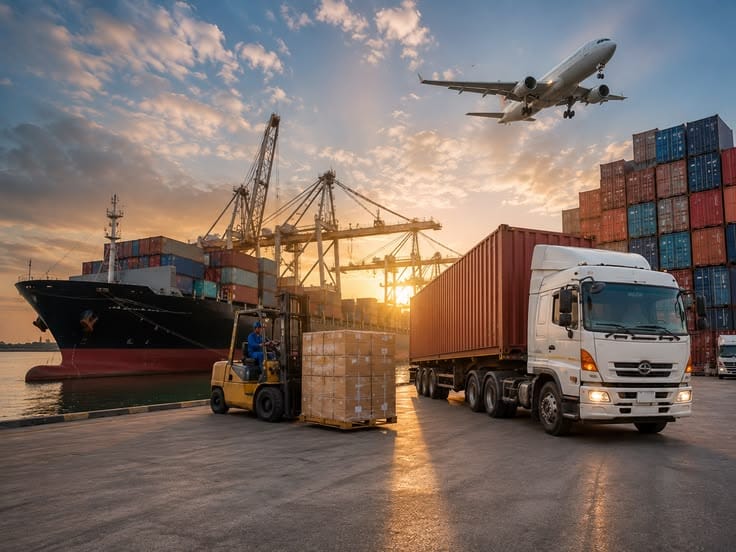
The WTO reports that 61% of goods trade now occurs within regional blocs, up from 52% in 2018, as nearshoring and friend-shoring reshape global supply chains.
Winners and Losers
The report identifies clear geographic winners and losers from the restructuring. Mexico has become one of the primary beneficiaries of US nearshoring, with foreign direct investment in manufacturing reaching 45 billion US dollars in 2025, double the 2020 figure. Vietnam, India, and the Philippines have attracted substantial manufacturing investment in electronics and textiles diverted from China-based supply chains. Morocco, Poland and Mexico's Monterrey region are emerging as nearshore hubs for European manufacturing in automotive, electronics and pharmaceutical sectors.
The losers include existing export-focused economies whose comparative advantages were primarily cost-based rather than capability or proximity-based. Bangladesh's garment sector, while still a global leader, faces intensifying competition from Vietnamese and Indian suppliers that have benefited from preferential trade arrangements with both the EU and the US. Cambodia and Myanmar face similar competitive pressures in labour-intensive manufacturing.
Asia's Evolving Position
For Asia broadly, the restructuring presents a complex mix of opportunity and threat. Countries that can position themselves as complementary to rather than competitive with China in global supply chains, providing final-stage manufacturing, component supply, or specialised services, are capturing investment flows. Countries whose growth model relied on replicating China's low-cost manufacturing formula face structural challenges as that model becomes less viable.
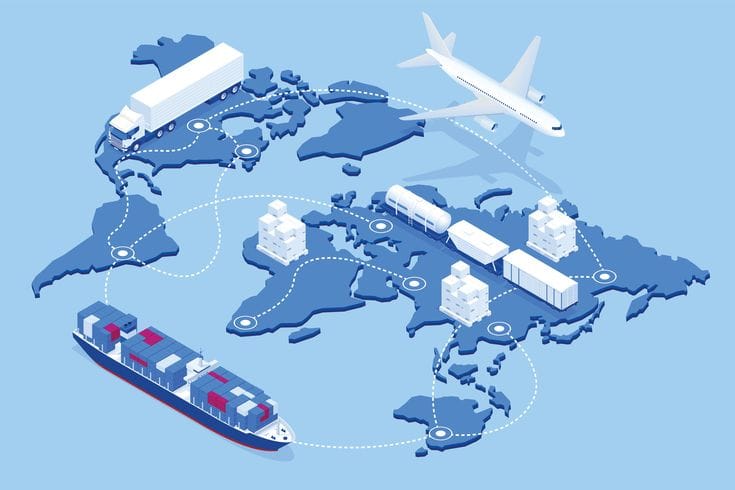
Mexico, Vietnam, India and the Philippines have emerged as primary beneficiaries of supply chain diversification from China-centric manufacturing hubs.
Cost Implications for Consumers
The WTO report provides a sobering assessment of the consumer cost implications of supply chain restructuring. Modelling suggests that the ongoing shift from optimal global supply chain configuration toward geopolitically motivated regional structures will add between 0.3 and 0.8 percentage points to consumer price inflation annually across major economies over the medium term. In sectors such as semiconductors, solar panels, and EV batteries, where massive policy incentives are distorting production location decisions, the efficiency cost is estimated to be higher.
WTO Director-General Ngozi Okonjo-Iweala acknowledged these costs but argued that some degree of supply chain diversification "is a legitimate policy objective when concentrated dependencies create systemic risks that markets alone cannot appropriately price." She called for coordination mechanisms to prevent the restructuring from deteriorating into economically damaging trade fragmentation.