

Central bank governors from the world's four largest monetary jurisdictions signalled in separate but clearly coordinated statements on Tuesday that they are approaching the phase of monetary policy normalisation, with inflation in all four economies having returned to within half a percentage point of their respective targets and labour markets showing early signs of easing from historically tight conditions.
The Coordinated Signal
Federal Reserve Chair Jerome Powell, speaking at the semi-annual Humphrey-Hawkins testimony before the US Senate Banking Committee, indicated that the FOMC saw conditions as "increasingly consistent" with a rate reduction at its September meeting, subject to confirmation from two additional months of inflation data. Within hours, ECB President Christine Lagarde, Bank of England Governor Andrew Bailey, and Bank of Japan Governor Kazuo Ueda made public remarks characterised by economists as deliberately aligned with the Fed's message.
The co-ordination, while not formally announced, reflects a practice that emerged after the post-pandemic tightening cycle created severe spillover effects in emerging markets and foreign exchange volatility when major central banks moved asynchronously. The International Monetary Fund has encouraged major central bank coordination since 2023 as a means of reducing the global systemic risk associated with sharp, unsynchronised policy shifts.

The Federal Reserve, ECB, Bank of England and Bank of Japan have signalled in coordinated statements that conditions for rate reductions are approaching.
The Inflation Landscape
US headline CPI inflation stood at 2.3 percent in June 2026, the closest it has been to the Fed's 2 percent target since early 2021. Core personal consumption expenditure inflation, the Fed's preferred measure, was at 2.1 percent. In the Eurozone, headline HICP inflation registered 2.2 percent in June, with the ECB's staff projections showing a gradual return to target by the fourth quarter without additional policy action. UK CPI was at 2.8 percent, marginally above target but trending sharply lower from the 6.7 percent recorded 18 months earlier.
Japan's situation remains distinctive. After decades of deflationary pressure, the Bank of Japan raised rates for the second time since its historic exit from negative rates, bringing the policy rate to 0.75 percent, still well below neutral by global standards but representing a historic normalisation of Japanese monetary conditions that has profound implications for global capital flows given Japan's status as the world's largest net external creditor.
Asset Market Reactions
Global equity markets rallied sharply on the central bank signals, with the S&P 500 advancing 2.1 percent, the Euro Stoxx 600 gaining 1.8 percent, and the Hang Seng Index rising 2.4 percent in the week following the coordinated statements. Bond markets saw yields fall, with the US 10-year Treasury yield dropping 18 basis points to 3.84 percent, reducing borrowing costs for governments and corporations globally.

Global equity markets rallied 1.8 to 2.4 percent on rate reduction signals, with bond yields falling across major markets.
Emerging Market Implications
The prospect of lower rates in developed markets has significant implications for emerging economies. Higher US rates had drawn capital away from developing countries and strengthened the dollar, increasing debt service burdens for nations with dollar-denominated external borrowing. A reversal of this dynamic would relieve pressure on emerging market currencies, reduce the cost of dollar-denominated debt, and potentially attract renewed portfolio investment to higher-yielding developing country assets.
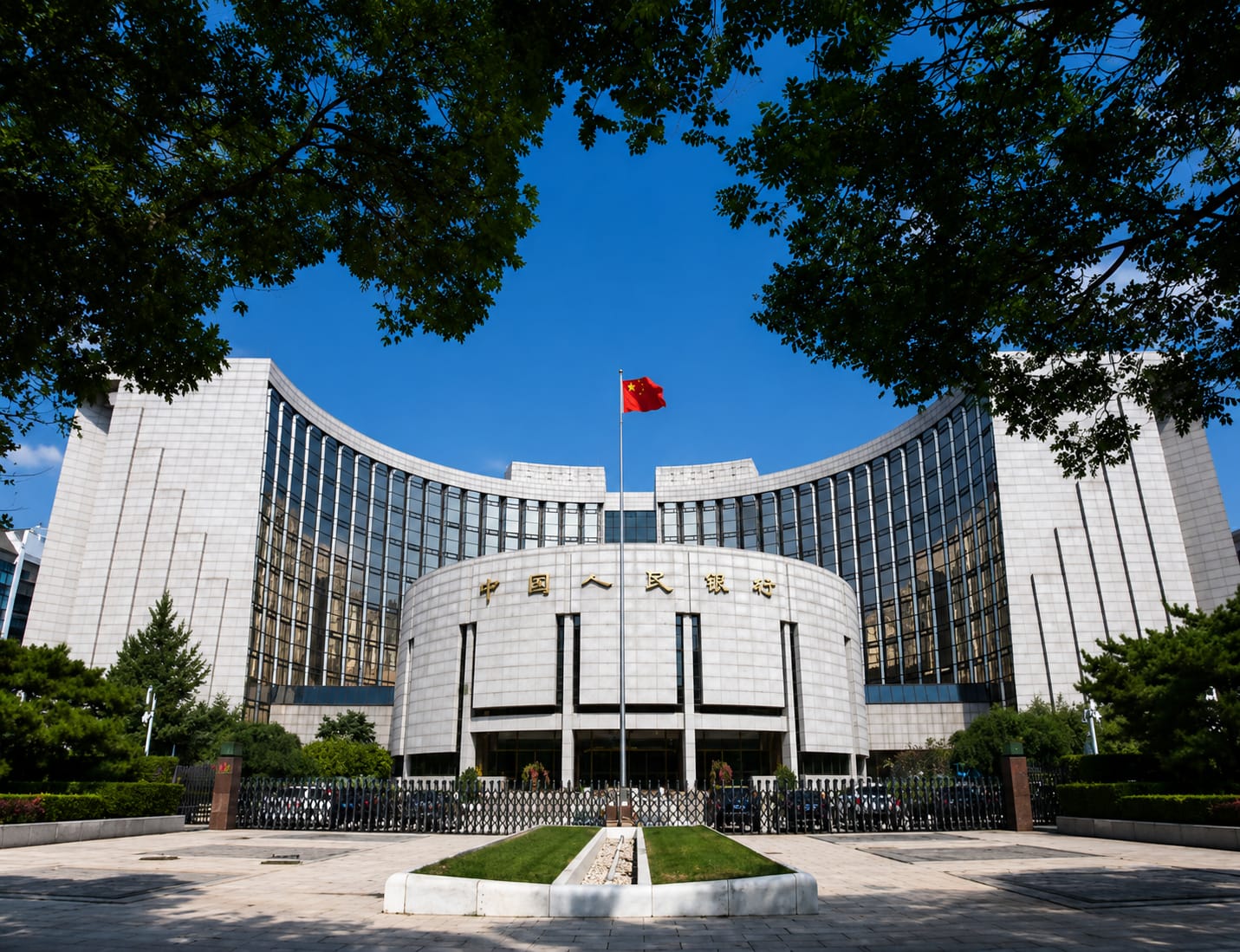
For Asia specifically, rate reductions by the Fed and ECB would reduce pressure on regional central banks that have maintained elevated rates to defend their currencies against dollar strength. The People's Bank of China, which has been constrained in its easing ambitions partly by the risk of renminbi depreciation against a strong dollar, would gain additional room to support domestic demand through monetary stimulus.
The Risks Ahead
Economists caution that the path to rate normalisation carries risks. Service sector inflation, which tends to be more persistent than goods price inflation, remains above target in all four major economies. Any resurgence in energy prices, geopolitical disruption to supply chains, or labour market tightening driven by unexpected demand could reverse the disinflationary trend and complicate the policy outlook. The IMF's World Economic Outlook projects global growth of 3.2 percent in 2026, consistent with a soft landing scenario, but flags significant downside risks from trade policy fragmentation and financial market volatility.