

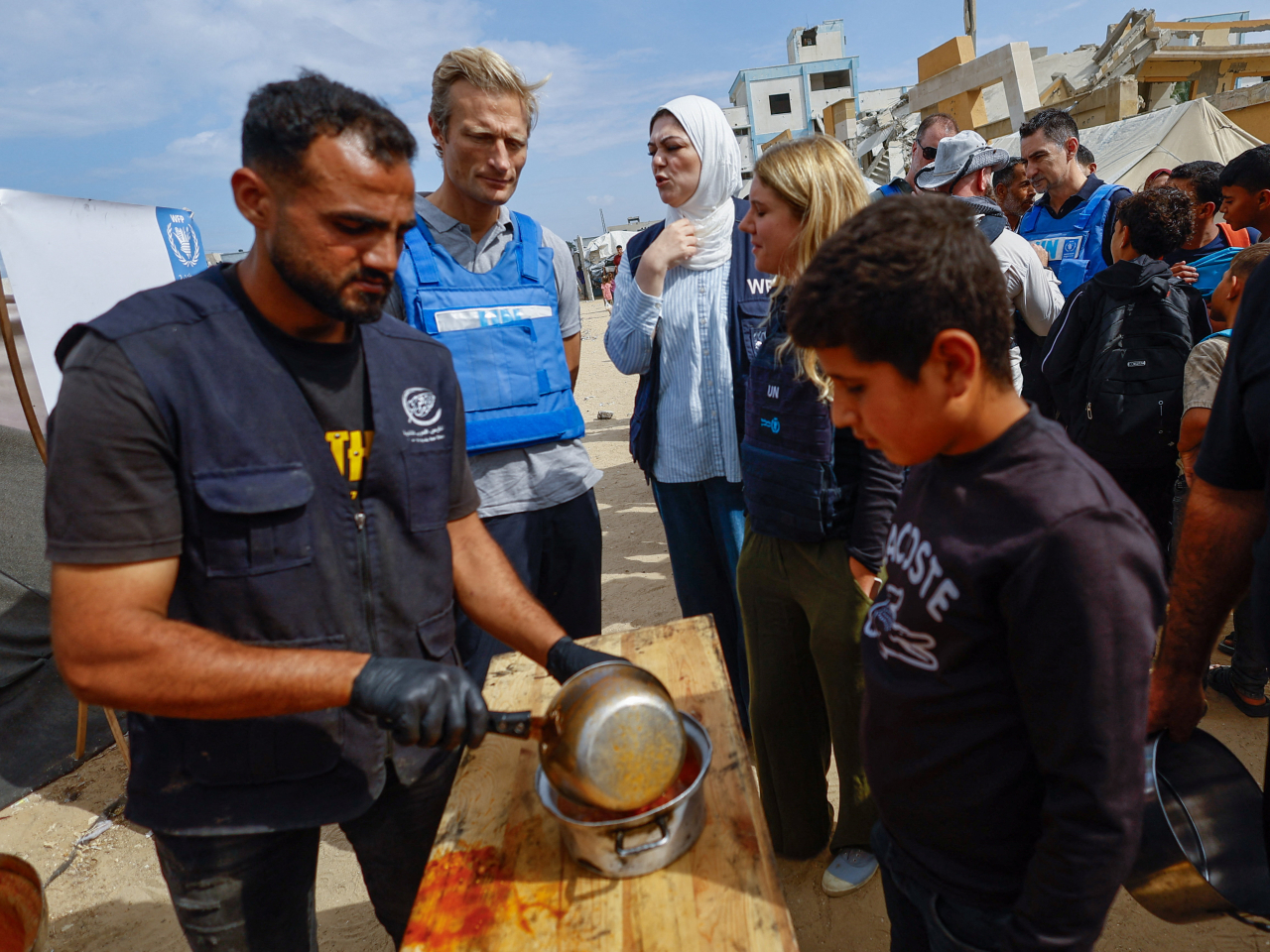
The World Food Programme (WFP) will end monthly food assistance for 500,000 Palestinians in Gaza because of a severe funding shortfall, raising fresh concerns about hunger in the war devastated territory. The decision comes as 1.4 million people remain acutely food insecure and millions continue to face displacement, insecurity and limited access to basic necessities.
Announced on Monday, the cuts will reduce both the number of people receiving assistance and the amount of support available to families who remain on the programme. After the changes take effect, around 1.1 million Palestinians will continue receiving monthly food or cash assistance from the United Nations agency, down from the 1.5 million to 1.8 million people it had been reaching each month since the ceasefire.
The WFP says the reductions are not the result of a lack of access to deliver food. Instead, the agency has run short of the funding needed to maintain its operations at their previous level.
Shaun Hughes, the WFP's country director, warned that conditions in Gaza remain extremely difficult, with civilians still facing airstrikes, repeated displacement and the loss of permanent homes.
“People are not safe. Airstrikes continue on a daily basis. People continue to be displaced,” Hughes told AFP at the agency's office in east Jerusalem.
“Almost everybody remains without a permanent home to live in. And the humanitarian conditions are brutal,” he added.
For families relying on international food assistance, the cuts mean fewer supplies and less money to cover everyday expenses. With winter approaching and humanitarian needs still widespread, the reduction could place additional pressure on households already struggling to secure regular meals.
500,000 Palestinians to Lose Monthly Food Assistance
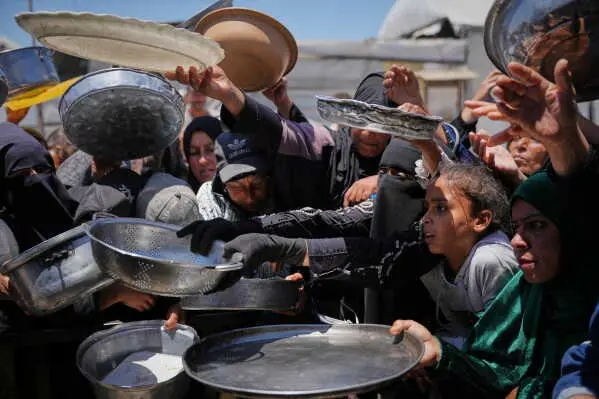
The WFP's announcement will affect families who depend on its food distribution and cash assistance programmes to meet their basic needs. The agency's latest assessments show that approximately 1.4 million people, or two thirds of Gaza's population, remain acutely food insecure and require humanitarian assistance to survive.
The reductions will affect the quantity of food distributed as well as the number of households receiving support.
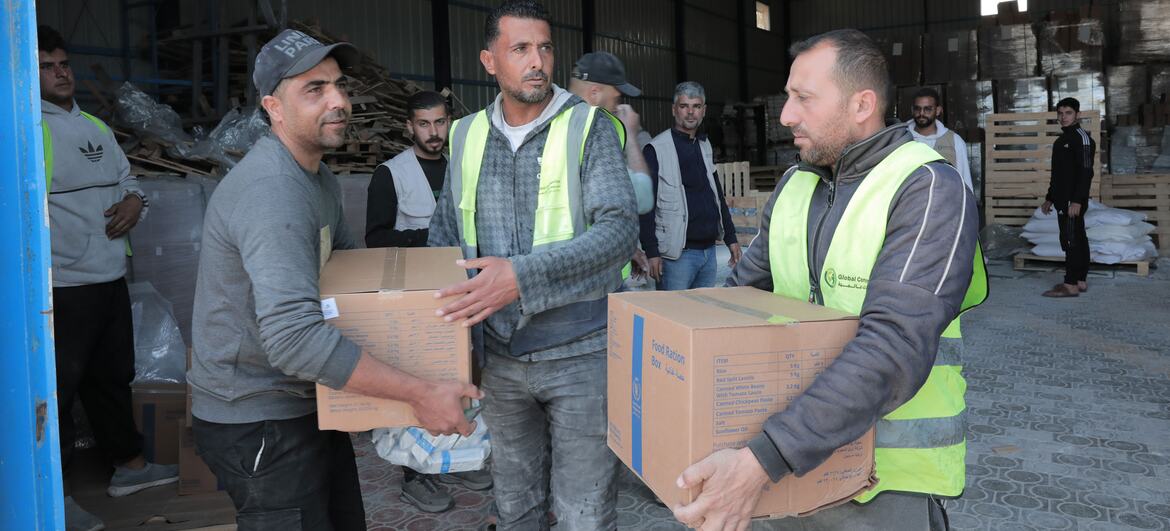
Families receiving food assistance will now receive one food parcel instead of two, alongside a smaller bag of wheat flour, according to the WFP's operational note. These supplies help households meet their daily food requirements, making the reduction particularly difficult for larger families.
The agency is also cutting payments to families enrolled in its cash assistance programme.
Around 75,000 families currently receiving cash support will see their monthly payments fall from 1,250 Israeli shekels to 750 shekels. The reduction of 500 shekels represents a 40 per cent cut in their monthly assistance.
Lower payments will leave families with less money to purchase food and other essentials from available markets. Households that cannot obtain enough supplies through other channels may face additional difficulties meeting their needs.
The WFP had expanded its operations after the ceasefire, reaching between 1.5 million and 1.8 million people each month. The latest cuts threaten to reverse part of that progress.
“This has been a lifeline. But now, rather than being able to sustain and scale up that assistance, we're actually having to reduce it,” Hughes said.
He stressed that the agency's problem was financial rather than logistical.
“And that's not because we don't have humanitarian access to deliver food; that's because we don't have funding.”
Gaza Hunger Crisis Continues Despite Famine Classification Changes
Gaza's food crisis intensified after Hamas launched its October 7, 2023, attack on Israel, prompting a major Israeli military campaign and extensive restrictions on the Palestinian territory. The conflict has caused widespread displacement and damaged the infrastructure people rely on for housing, healthcare and other essential services.
In August 2025, the United Nations backed Integrated Food Security Phase Classification, known as the IPC, reported that Gaza was experiencing famine conditions. The assessment drew international attention to the severity of hunger, although Israel rejected the findings and described the classification as false.
The famine classification was lifted in December 2025, two months after a ceasefire brokered by the United States was announced. However, the change did not mean that Gaza's food emergency had ended or that humanitarian assistance was no longer necessary.
The WFP continues to report extensive food insecurity across the territory. Its latest assessment indicates that 1.4 million people still require assistance, while ongoing insecurity and displacement make daily life difficult for many residents.
Since the ceasefire, the agency has increased food distributions and cash support, reaching significantly more people than it had previously been able to assist. That expansion provided relief to families struggling with prolonged shortages.
The newly announced cuts now threaten to reduce that support at a time when many households have few alternatives.
Israel has continued conducting strikes in Gaza since the ceasefire announcement, saying it intends to kill people involved in the October 7 attack. The continuing violence has added to uncertainty for civilians, including those who have lost their homes or been forced to relocate repeatedly.
The WFP says conditions have improved moderately but warns that humanitarian needs could increase again as winter approaches. Families without permanent housing may face additional difficulties obtaining adequate shelter and meeting their basic needs as temperatures fall.
Why the World Food Programme Is Cutting Gaza Aid
A shortage of funding is forcing the WFP to scale back its humanitarian operations in Gaza and the West Bank.
The agency relies on contributions from governments and private donors to finance food distributions, cash payments and other relief programmes. However, it has experienced a significant decline in available resources, including following US President Donald Trump's return to office and his administration's substantial reductions in funding for United Nations agencies and bilateral foreign aid.
The resulting financial pressure has made it harder for the WFP to maintain existing assistance programmes despite continuing humanitarian needs.
The agency estimates that it requires approximately US$450 million over the next six months to support its operations in Gaza and the occupied West Bank. In 2026, however, it has received only about half the usual level of financing for the Palestinian territories, according to the figures cited by the agency.
The impact extends beyond Gaza.
In September, the WFP cut the number of people receiving assistance in the West Bank by half, reducing the total from 400,000 to 200,000. The territory has been under Israeli occupation since 1967 and continues to face serious economic and humanitarian pressures.
These reductions show how funding shortages are affecting the agency's ability to provide support across the Palestinian territories.
Hughes urged international donors not to turn away from the humanitarian crisis.
“Now is not the time in the history of Palestine and Gaza to turn away from what is happening in Gaza,” he said.
The agency's funding needs reflect the scale of its operations and the number of people who depend on regular assistance. Without additional contributions, the WFP will continue to face difficult decisions about how many households it can support and how much food or money each family can receive.
Israeli Restrictions Add to Gaza's Humanitarian Challenges
Funding shortages are not the only challenge facing humanitarian organisations operating in Gaza. Although Israel has allowed more goods to enter under the US brokered ceasefire arrangements, restrictions on incoming supplies remain in place.
Israel limits shipments of items it considers to have potential military applications. According to the United Nations, these restrictions have affected medical and rehabilitation equipment, including prosthetic limbs.
Such equipment can help people with amputations regain mobility and carry out everyday activities. Restrictions on access to these supplies can complicate recovery for civilians injured during the conflict, particularly when medical facilities and rehabilitation services are already under pressure.
Israel has also intensified its longstanding criticism of the United Nations during the Gaza war. Israeli officials have accused the organisation of bias and argued that its assistance programmes encourage Palestinian dependency.
The WFP maintains that humanitarian support remains necessary because large sections of the population cannot reliably meet their basic needs. Its latest cuts reflect the limits of available funding rather than a conclusion that families no longer need assistance.
The reductions also raise questions about the sustainability of humanitarian relief after a ceasefire. Increased food deliveries can provide immediate support, but families remain vulnerable when access to supplies, purchasing power and essential services is limited.
For the 500,000 Palestinians losing monthly WFP assistance, the immediate challenge will be finding alternative ways to obtain food. Families that remain on the programme will also have to manage with smaller food parcels or reduced cash payments.
The WFP estimates that it needs US$450 million over the next six months to maintain its operations in Gaza and the West Bank. Without additional funding, further reductions could place even more pressure on families already struggling with hunger and displacement.
Should international donors increase funding to prevent further food aid cuts in Gaza? Share your thoughts in the comments.