

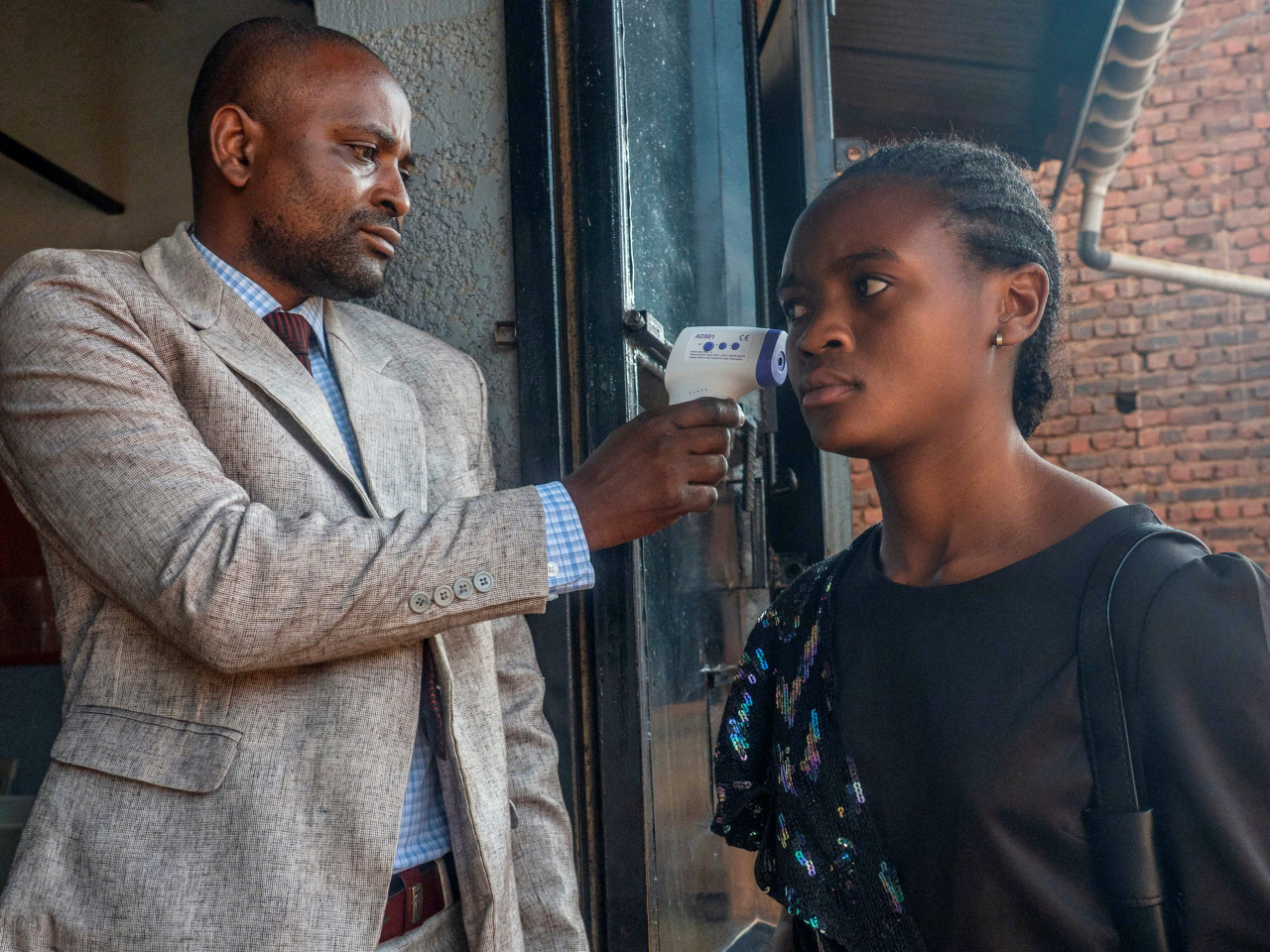
The Ebola outbreak in the Democratic Republic of the Congo (DR Congo) has surpassed 9,000 confirmed cases, with more than 4,300 deaths reported as health authorities continue efforts to contain the deadly disease. The outbreak, caused by the Bundibugyo virus, has spread across seven provinces, while researchers prepare to launch a clinical trial to test potential vaccines against the strain.
The latest reported figures stand at 9,066 confirmed infections and 4,381 deaths, putting the case fatality ratio at approximately 48%. The outbreak has raised serious concerns because no vaccine has been approved specifically to prevent Bundibugyo virus disease.
There is, however, a new development in the fight against the outbreak. The Coalition for Epidemic Preparedness Innovations (CEPI) announced on Tuesday that preparations for a clinical vaccine trial had entered their final stage. The trial could begin within the coming weeks, provided researchers receive the required ethical and regulatory approvals.
The study aims to assess the safety, immune response and effectiveness of candidate vaccines against the virus responsible for the current outbreak.
DR Congo Ebola Outbreak Spreads Across Seven Provinces
The Congolese government declared the Ebola outbreak in mid May 2026 after cases of Bundibugyo virus disease were identified. Since then, the number of confirmed infections and deaths has continued to rise, placing additional pressure on public health teams working to contain the spread.
According to the World Health Organization (WHO), the outbreak had reached 64 health zones across seven provinces by October 6. At that point, authorities had reported 8,728 confirmed cases and 4,205 deaths.
The subsequent rise to 9,066 confirmed cases and 4,381 deaths shows the scale of the challenge facing health authorities. The latest figures also point to the need for continued surveillance, rapid diagnosis and effective care for infected patients.
Containing Ebola requires more than treating people who become seriously ill. Health teams must identify suspected cases, trace people who have had contact with infected patients, investigate possible transmission chains and monitor exposed individuals for symptoms.
Medical staff also need appropriate protective equipment, laboratory testing facilities and suitable isolation arrangements to reduce the risk of infection inside healthcare facilities.
The expansion across seven provinces makes coordination particularly important. Authorities must share information between affected areas and respond quickly when new infections emerge.

Why the Bundibugyo Ebola Virus Is a Major Concern
One of the biggest challenges in the current outbreak is the absence of an approved vaccine specifically designed to protect against Bundibugyo virus disease.
Ebola is not a single virus species. Different species can cause similar illnesses, but a vaccine developed for one species cannot automatically be assumed to protect against another.
For example, Ervebo is an approved vaccine against the Zaire ebolavirus species. Its effectiveness against Bundibugyo virus has not been established.
This distinction matters because vaccines that have helped control previous Ebola outbreaks may not provide the same protection in the current emergency. Researchers need scientific evidence to determine whether existing vaccine candidates can generate an adequate immune response and prevent disease caused by this particular virus.
The absence of an approved Bundibugyo specific vaccine does not mean that medical care is unavailable. Patients can receive supportive treatment, including fluid replacement, symptom management and care for complications.
However, without a proven vaccine targeting the virus, public health teams face an additional challenge in preventing infections before they occur.
New Ebola Vaccine Trial Moves Towards Launch
The planned Tumaini clinical trial is among the latest efforts to address the shortage of vaccine options against Bundibugyo virus.
CEPI said preparations had reached their final stage, with the trial expected to begin within the coming weeks after the necessary ethical and regulatory approvals.
The study is designed to evaluate three main areas: safety, immunogenicity and efficacy.
Safety assessments will examine whether the vaccine candidates cause adverse effects. Immunogenicity testing will determine whether vaccination triggers an immune response. Efficacy assessments will investigate how well the candidates protect against disease.
Ervebo is among the candidates being evaluated, despite its existing approval applying to the Zaire ebolavirus rather than Bundibugyo virus. The research will help establish whether it offers meaningful protection against the strain involved in the current outbreak.
The Institut National de Recherche Biomédicale in DR Congo and the University of Antwerp's Global Health Institute are leading and co sponsoring the study, according to CEPI.
The trial has not yet been confirmed as having started. Researchers must first secure the required approvals, and the announcement does not mean that an effective Bundibugyo vaccine is already available.
Three Experimental Vaccines Under Development
The Tumaini trial is part of a broader effort to develop vaccines against Bundibugyo virus.
In June, CEPI announced plans to accelerate the development of three experimental vaccine candidates. The programmes involve the International AIDS Vaccine Initiative, Moderna and the University of Oxford, with the Oxford candidate set to be manufactured by the Serum Institute of India.
These projects give researchers several approaches to investigate as they work towards a vaccine that could help prevent future Bundibugyo outbreaks.
Scientists are also examining whether vaccines developed against other Ebola virus species might trigger immune responses that offer some protection against Bundibugyo virus.
Such research could provide useful information about how different vaccine candidates interact with the virus. However, a promising laboratory result does not necessarily mean that a vaccine will prevent illness in people. Clinical trials are needed to assess safety and determine whether protection occurs in practice.
The research process takes time, even when an outbreak creates pressure to act quickly. Ethical safeguards, regulatory reviews and reliable clinical evidence remain necessary before a vaccine can be approved for widespread use.
Ebola Case in Kenya Raises Cross Border Concerns
The outbreak has also prompted concern beyond DR Congo's borders.
On October 8, the WHO reported a laboratory confirmed case of Bundibugyo virus disease in Kenya involving a patient who had travelled from DR Congo through Uganda. The patient died on October 5, prompting public health measures and contact tracing in Kenya and Uganda.
The case demonstrates why neighbouring countries need to coordinate their responses when an outbreak occurs in a region with cross border travel.
Health authorities must identify people who may have been exposed, assess their risk and monitor them for symptoms. Timely communication between countries can help officials investigate suspected infections and respond before further transmission occurs.
People regularly cross borders for work, family visits and medical care. During an outbreak, effective surveillance and information sharing help health teams identify potential cases without relying solely on reports from affected communities.
The WHO's report also reinforces the importance of monitoring the situation beyond the provinces where the outbreak was first detected.
What Needs to Happen Next?
For DR Congo, the immediate priorities remain identifying new cases, caring for patients, tracing contacts and limiting further transmission. At the same time, researchers are preparing to test whether vaccine candidates can provide protection against Bundibugyo virus.
The Tumaini trial could provide important evidence, but its start depends on regulatory and ethical approval. Its findings will determine what researchers can conclude about the safety and effectiveness of the candidates.
With 9,066 confirmed cases and 4,381 reported deaths, the outbreak continues to place a heavy burden on affected communities and healthcare teams. Progress in vaccine research could help improve preparedness, but the immediate response still depends on surveillance, timely diagnosis and effective patient care.
Do you think more international funding should go towards developing vaccines for Ebola strains that currently have no approved vaccine? Share your thoughts in the comments.