

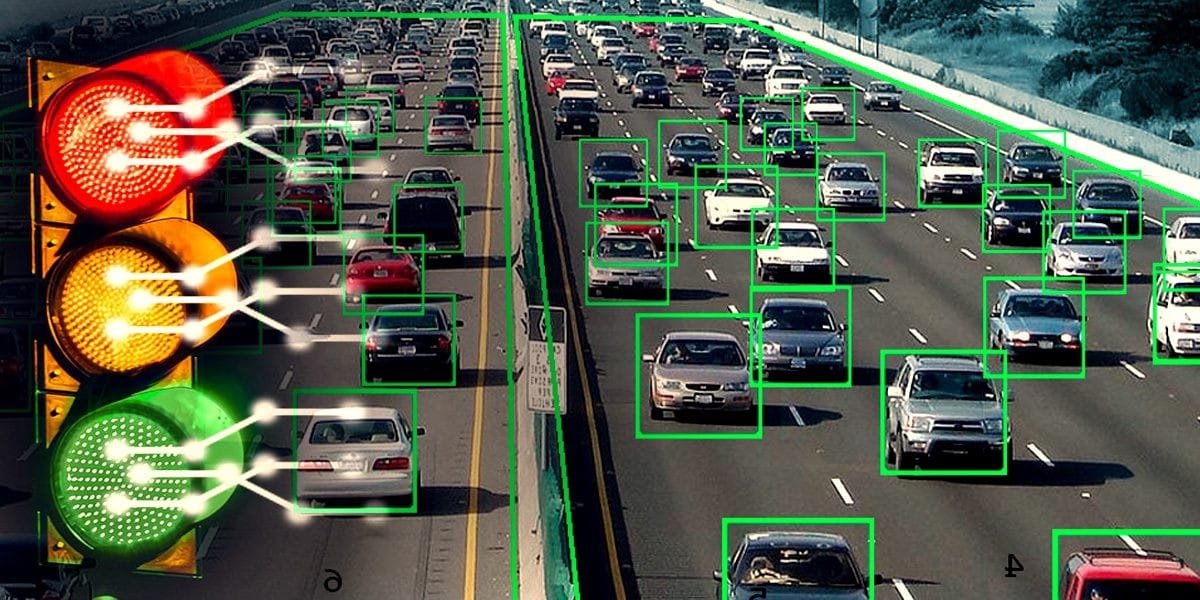
The Hong Kong Transport Department completed the city-wide rollout of its Intelligent Traffic Management System 3.0 (ITMS 3.0) across all 18 districts on Wednesday, marking the culmination of a four-year, HK$2.8-billion infrastructure project that the government describes as the most advanced urban traffic management system deployed in any Asian city to date. The system uses artificial intelligence, computer vision and real-time data from over 28,000 sensors and cameras to optimise traffic signal timing dynamically across 1,400 signalised junctions, reducing average journey times across the network by an initial measured 18 percent.
How the System Works
ITMS 3.0 is built around a central AI platform developed in partnership with the Hong Kong University of Science and Technology and a consortium of technology firms. The platform ingests real-time data streams from road sensors embedded at all signalised junctions, traffic cameras, GPS traces from participating commercial fleet vehicles, satellite navigation applications, and the MTR Corporation's passenger flow data to construct a comprehensive, continuously updated model of traffic conditions across the network.
The AI's core function is dynamic signal plan optimisation. Rather than the fixed-time signal programmes that operate at most urban junctions globally, ITMS 3.0 calculates optimal green light duration for each phase at each junction every 90 seconds, based on measured queue lengths, turning movement counts, and predicted flow patterns derived from the broader network model. The result is signal timing that responds to actual traffic conditions rather than average historical patterns.
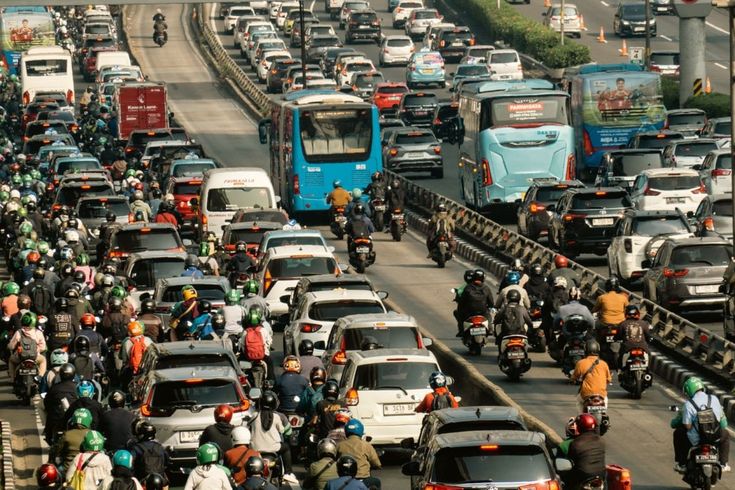
ITMS 3.0 optimises traffic signals at 1,400 junctions every 90 seconds using AI analysis of data from 28,000 road sensors, cameras and GPS feeds.
Early Performance Data
The Transport Department has released performance data from the first six weeks of full-system operation covering a sample of 200 corridors across the network. Average vehicle journey times on monitored arterial roads have fallen by 18 percent relative to the comparable period in 2025. Peak-hour congestion, measured as the ratio of peak-to-free-flow journey time, has improved by 22 percent on the most heavily congested corridors in Kowloon and on Hong Kong Island. Fuel consumption per vehicle kilometre has fallen by an estimated 9 percent as stop-start driving patterns reduce in frequency.
The environmental benefits of smoother traffic flow are significant. The Transport Department estimates that the reduction in vehicle idling and aggressive acceleration and braking patterns enabled by the system will reduce nitrogen oxide emissions from the road network by approximately 8,400 tonnes annually, equivalent to removing 24,000 private cars from Hong Kong roads. Carbon dioxide emissions from the road network are projected to fall by 320,000 tonnes per year.
Bus Priority Features
A specific feature of ITMS 3.0 that has generated strong praise from public transport operators is the Transit Signal Priority function, which extends green phases or shortens red phases for registered public buses running behind schedule. The system is integrated with real-time GPS tracking data from the fleets of KMB, Citybus, NWFBus, and green minibuses, allowing the traffic signal AI to identify delayed services and provide signal priority that reduces schedule recovery time. KMB's initial operational data suggests that Transit Signal Priority has reduced average bus journey time on its ten most congested routes by between 4 and 11 minutes during peak periods.

The Transit Signal Priority function has reduced average journey times on KMB's ten most congested routes by 4 to 11 minutes during peak periods.
Future Development: Autonomous Vehicle Integration
The Transport Department has confirmed that ITMS 3.0's architecture was deliberately designed to accommodate future integration with autonomous and connected vehicle systems. Dedicated communication protocols aligned with the C-V2X (Cellular Vehicle-to-Everything) standard are embedded in the system infrastructure, ready to communicate signal phasing data directly to autonomous vehicles as they begin to appear on Hong Kong roads. An autonomous vehicle pilot programme covering 15 designated road corridors in the New Territories is scheduled to begin in the second quarter of 2027.
The success of ITMS 3.0 has attracted significant international interest. Transport authorities from Singapore, Kuala Lumpur, Seoul, Dubai and Toronto have sent delegations to observe the system in operation, and the Transport Department has been approached by several overseas jurisdictions about potential technology transfer arrangements. The department has indicated it is open to exploring such partnerships through appropriate channels.