

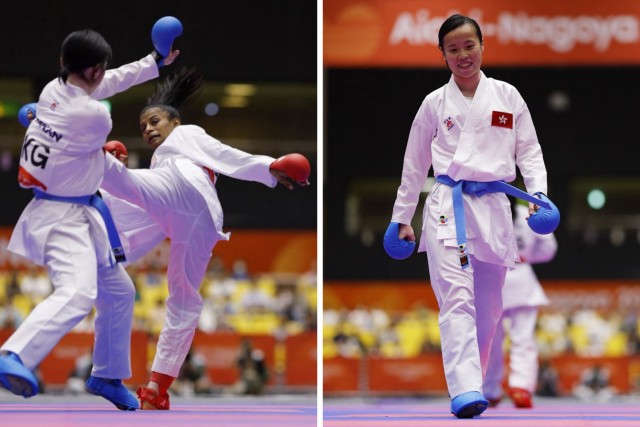
Hong Kong karateka Tsang Yee Ting claimed a silver medal in the women’s under 50kg kumite at the Aichi Nagoya Asian Games on Wednesday after Malaysia’s Shahmalarani Chandran won their scoreless final on a judges’ decision.
The result gave Tsang her first Asian Games medal after four appearances at the continental competition. The 34 year old returned to elite competition after giving birth to her son and arrived at the tournament in strong form, having won the Asian Championships in June.
The final at Toyohashi Gymnasium produced little separation between the two fighters. Neither Tsang nor Chandran managed to register a point during the three minute contest, leaving the gold medal to be decided by the judges.
The officials awarded the bout to Chandran, who was judged to have shown the stronger performance despite the absence of a score. Tsang therefore finished with silver, ending a long wait for her first Asian Games podium.
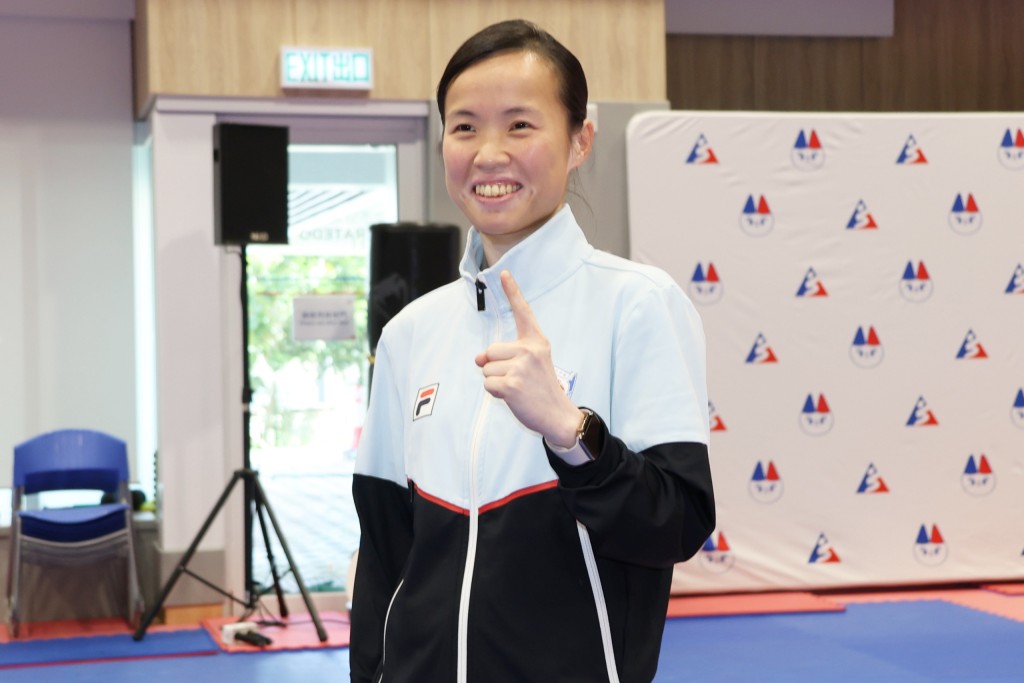
Tsang reaches final with two wins
Tsang entered the competition with a first round bye, giving her a later start than several of her opponents. She then faced Chinese Taipei’s Chung Ya Chi in the quarterfinals.
The Hong Kong fighter controlled the bout and secured a convincing 6 0 victory to move into the last four.
Her semifinal against the Philippines’ Marie June Adriano proved much tighter. Tsang eventually prevailed 5 4, earning her place in the gold medal match and guaranteeing Hong Kong a medal in the event.
The result also added to the momentum she had built during the season. Her Asian Championships title in June had already marked her return to the top level after taking time away from competition following the birth of her son.
Reaching the Asian Games final gave her an opportunity to add another major title to that comeback.
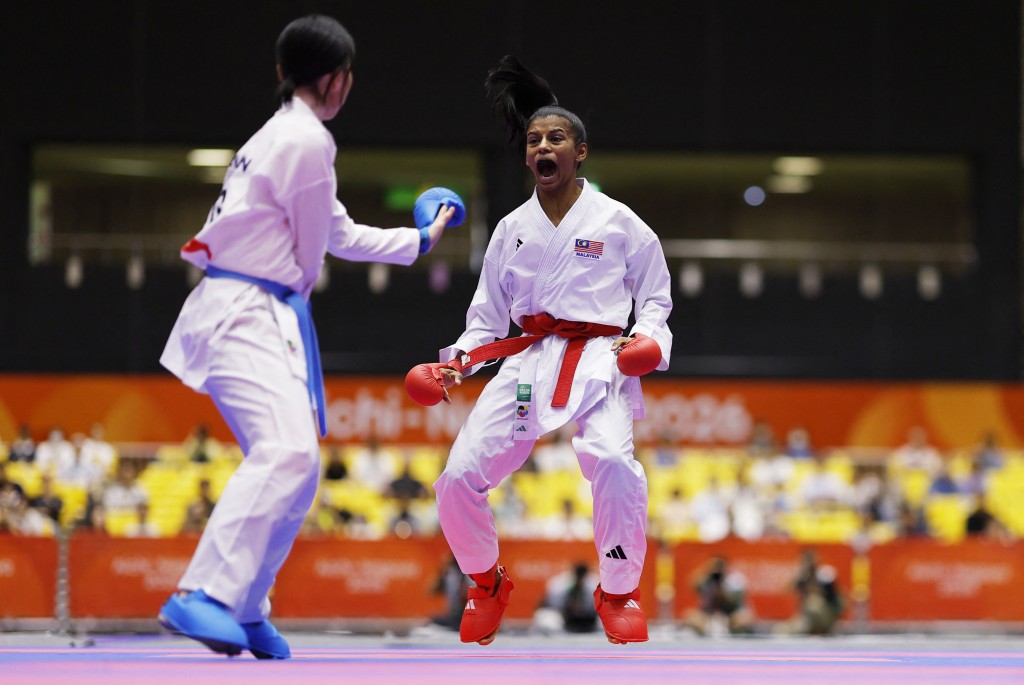
Cautious final ends without a point
The gold medal contest was markedly different from Tsang’s earlier matches.
Neither athlete was able to create enough of an opening to score during the three minute bout. Tsang and Chandran adopted cautious approaches, with both fighters closely managing their movements and avoiding the risks that could have left them exposed to a counterattack.
When the clock expired, the scoreboard still showed 0 0.
With no points separating the competitors, the judges had to determine the winner based on their assessment of the bout. They awarded the gold medal to Chandran, leaving Tsang with silver.
For Tsang, the narrow defeat did not erase the significance of reaching her first Asian Games final. She had competed at the 2014 Incheon Games, where her highest finish was fifth, but had never previously stood on the podium at the continental event.
Her silver in Aichi Nagoya finally changed that record.
First Asian Games medal after return to competition
Tsang’s achievement carries particular significance because of the route she took back to international competition.
After giving birth to her son, she returned to competitive karate and worked her way back into contention at major events. Her victory at the Asian Championships in June provided an early indication that she could compete successfully against the region’s leading athletes.
The Asian Games offered a different challenge, bringing together competitors from across Asia in one of the sport’s major multi sport events.
Tsang handled the pressure through the early rounds, first defeating Chung without conceding a point before overcoming Adriano in a one point semifinal.
The final was ultimately decided without either fighter scoring, but Tsang's progression through the tournament secured a result she had not achieved in her previous three Asian Games appearances.
Her silver also adds another major international medal to a season that had already included an Asian championship title.
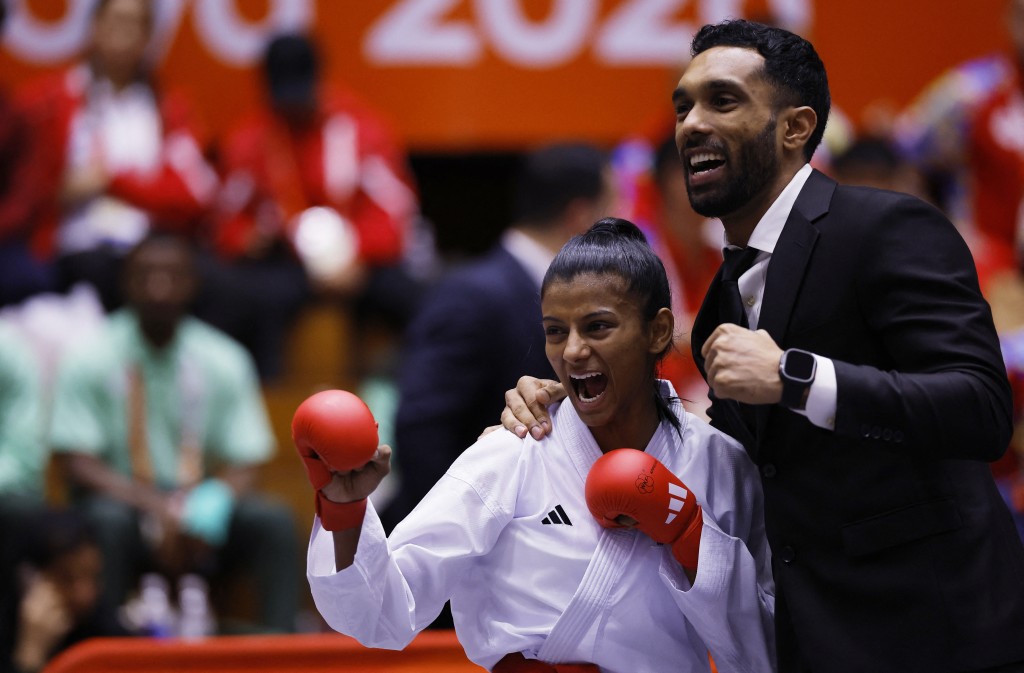
Hong Kong finishes karate campaign with five medals
Tsang's result brought Hong Kong's karate campaign at the Asian Games to a close with five medals.
The territory collected two silver medals and three bronze medals across its karate events.
Tsang's silver was therefore one of two runner up finishes for Hong Kong in the sport, while three additional athletes or teams contributed bronze medals to the overall tally.
The medals gave Hong Kong a strong presence in the karate competition and provided another notable result for its delegation at the continental Games.
For Tsang personally, however, the silver marked a milestone that had eluded her since her Asian Games debut.
At the 2014 Incheon Games, she finished as high as fifth. Four Asian Games appearances later, she finally reached the podium.
HK$500,000 award for Tsang
Tsang's achievement will also bring a financial reward under Hong Kong's Jockey Club Athlete Incentive Awards Scheme.
She is set to receive HK$500,000 in recognition of her silver medal.
The award adds a significant financial component to a result that already represents one of the most important achievements of her international career.
Her route to the medal has also given the result a wider personal dimension. Returning to competition after becoming a mother, winning the Asian Championships and then reaching an Asian Games final required her to rebuild her competitive career while facing a new set of demands away from the tatami.
The final itself did not produce the dramatic exchange of points that had characterised Tsang's earlier bouts. Instead, the medal was decided after three scoreless minutes and a judges' assessment.
Chandran took gold, but Tsang left Toyohashi Gymnasium with her first Asian Games medal and a silver that capped Hong Kong's five medal karate campaign.
With Tsang now established as an Asian Games medallist, can her successful return lead to another major international title in the next stage of her career?