
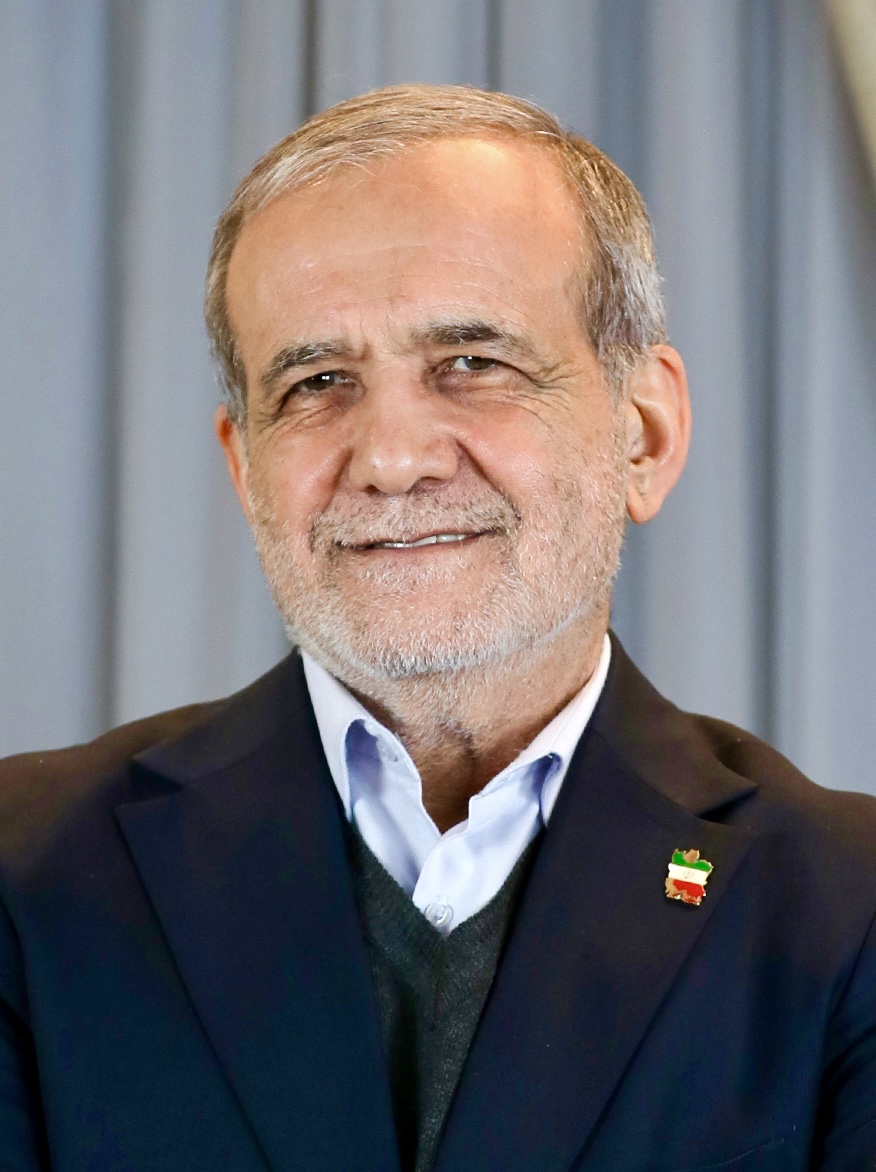
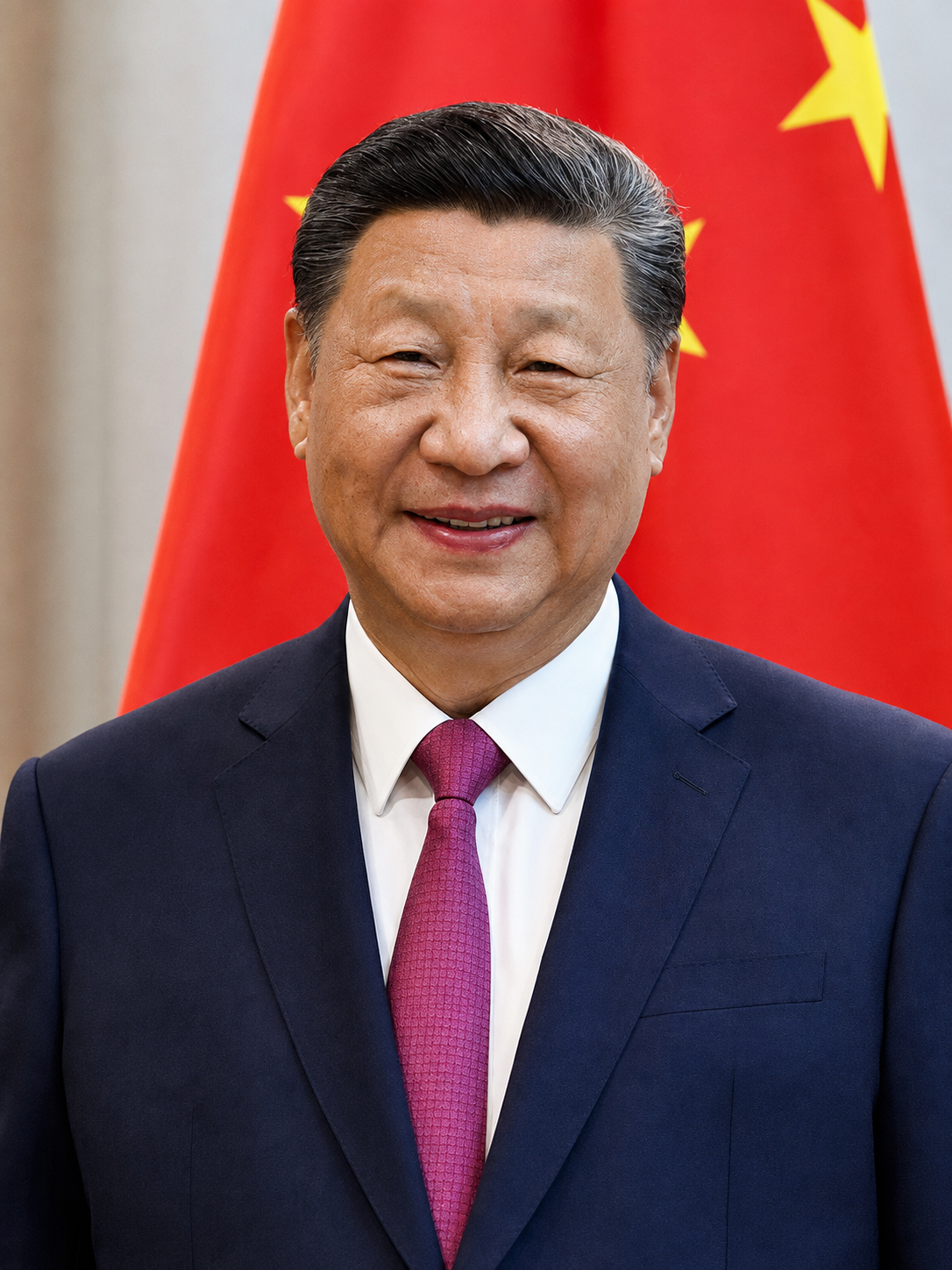
Chinese President Xi Jinping and Iranian President Masoud Pezeshkian arrived in Kyrgyzstan for a summit of the Shanghai Cooperation Organisation, where Russian President Vladimir Putin was expected to join them later on Monday alongside more than a dozen other leaders.
The two day meeting in Bishkek comes as the organisation marks its 25th anniversary and seeks to strengthen cooperation among countries that collectively account for a large share of the world’s population and economic output. The gathering also takes place against the backdrop of the war in Ukraine, rising tensions between Washington and Tehran, and growing trade disputes involving China and India.
The Shanghai Cooperation Organisation, or SCO, includes China, Russia, India, Pakistan, Iran, Belarus and four Central Asian states. Its members have differing political interests and, in some cases, competing regional priorities, but the organisation has become an increasingly important forum for Beijing and Moscow to promote closer ties and challenge what they describe as an international order dominated by Western powers.
Xi arrived in Bishkek on Sunday and praised what he called a “golden period” in China’s relationship with Kyrgyzstan. His visit comes as Beijing expands its economic and political presence across Central Asia, a region that has traditionally remained within Russia’s sphere of influence.
China has invested heavily in infrastructure, energy and transport projects across Central Asia, strengthening its position as an economic partner for governments that once relied more heavily on Moscow. The region also sits along important trade routes linking China with markets in Europe and the Middle East.
Putin was expected to arrive on Monday and take part in the main session alongside Xi, Pezeshkian, Indian Prime Minister Narendra Modi and Pakistani Prime Minister Shehbaz Sharif. Kyrgyz President Sadyr Japarov was due to chair the plenary meeting.
Turkish President Recep Tayyip Erdogan was also expected to attend. Turkey is not a formal member of the SCO but has maintained close relations with several countries in the organisation and has sought a larger role in regional diplomacy.
Russia and Iran deepen ties
Putin’s expected meeting with Pezeshkian carries particular weight as Russia and Iran continue to expand their military and economic cooperation.
Both countries face extensive Western sanctions, and their relationship has grown substantially since Russia launched its invasion of Ukraine. Moscow and Tehran have strengthened trade links and military cooperation while seeking ways to reduce their dependence on Western financial and economic systems.
Kremlin spokesman Yuri Ushakov said Putin would hold separate meetings with Pezeshkian and Xi, along with other leaders attending the summit.
The Russian president’s talks with the Iranian leader come only days after CIA Director John Ratcliffe made a rare visit to Moscow. US media reports speculated that discussions during the trip may have included both the war in Ukraine and Iran, although details of the meetings were not publicly disclosed.
The timing adds another layer to the Bishkek summit, where Russia, China and Iran are expected to use their meetings to discuss security, trade and regional cooperation at a time of mounting pressure from Washington.
US President Donald Trump has warned Moscow and Beijing against providing military assistance to Iran, reflecting Washington’s concern over the growing links between the three countries.
A regional bloc with wider ambitions
The SCO was originally established with a strong focus on regional security and economic cooperation, but its political importance has increased under the leadership of China and Russia.
The organisation now has 10 full members and 15 dialogue partners, including Turkey, Saudi Arabia and Qatar. Afghanistan and Mongolia hold observer status.
Despite its growing membership, the SCO has repeatedly insisted that it is not a military alliance aimed at other countries. Its founding declaration states that the organisation is “not an alliance directed against other states”.
Yet its annual meetings have increasingly provided a platform for criticism of Western policies.
At last year’s gathering, Putin accused Western countries of provoking the war in Ukraine, while Xi criticised what he described as “acts of intimidation” amid growing tensions between China and the United States.
The organisation therefore occupies an unusual position. Its members insist that the SCO is focused on cooperation rather than confrontation, while some of its most influential leaders openly use the forum to challenge US and European policies.
Wars, sanctions and trade disputes
The Bishkek summit is taking place while several SCO members face serious security or economic disputes.
Russia remains at war in Ukraine, while Iran is dealing with its own conflict with Washington. At the same time, China and India are facing economic pressure from US tariff policies.
Washington has also expanded sanctions targeting Iran’s international trade. This month, the United States imposed secondary sanctions on Iranian trading partners involved in sectors including gold, technology, digital assets, aviation and maritime transport.
The measures are designed to restrict Tehran’s access to international markets and make it more difficult for Iran to generate revenue through foreign trade.
China, one of Iran’s major oil customers, has objected to the pressure and said it would “firmly defend” its interests.
Iran has lived under extensive sanctions since the 1979 revolution that brought the Islamic authorities to power. Tehran has repeatedly rejected demands that it surrender to economic pressure, although Pezeshkian has acknowledged that the country is facing serious economic difficulties.
Iran joined the SCO in 2023, viewing membership as a way to strengthen its relationships with countries that have either opposed Western sanctions or maintained commercial ties with Tehran despite them.
Mohammad Hassan Najmi, an international relations expert, told AFP that Iranian officials believe participation in organisations such as the SCO could help Tehran reduce the impact of US and European sanctions.
But he also questioned how much practical protection the organisation can provide during a major crisis. Such alliances, he said, have rarely been able to resolve Iran’s underlying economic problems.
Competing interests inside the SCO
The organisation brings together countries with enormous populations, significant natural resources and major economies, but its members do not always agree.
The SCO claims to represent about 40 percent of the world’s population and roughly 25 percent of global gross domestic product. Those figures give the organisation considerable economic and political weight.
Its internal divisions, however, are difficult to ignore.
Russia and China compete for influence in Central Asia, where governments are balancing longstanding political and security ties with Moscow against growing Chinese investment and trade.
Central Asia is particularly important because of its energy resources and its location between China, Russia, Europe and the Middle East. Roads, railways, pipelines and other infrastructure running through the region form part of a wider network connecting Asian producers with European and Middle Eastern markets.
Relations between China and India have also faced periods of tension, while India and Pakistan remain long standing rivals. Both countries nevertheless sit at the same table within the SCO.
That combination makes the organisation different from a conventional political or military alliance. Its members share some interests, particularly around trade, sovereignty and resistance to outside pressure, but they also have disputes that can limit how closely they cooperate.
For Xi, Putin and Pezeshkian, the Bishkek meeting offers an opportunity to demonstrate that their countries have partners beyond the West. For other SCO members, the summit provides a forum for economic cooperation and diplomacy without requiring them to take sides in every international dispute.
The meetings between the leaders will show how far that common ground extends, particularly as sanctions, war and trade restrictions continue to reshape relations between the SCO members and the United States and its allies.