

U.S. President Donald Trump said he is not concerned that Chinese President Xi Jinping could cancel a planned visit to Washington, despite reports that Beijing has warned it may abandon the summit if the United States approves a major new arms sale to Taiwan.
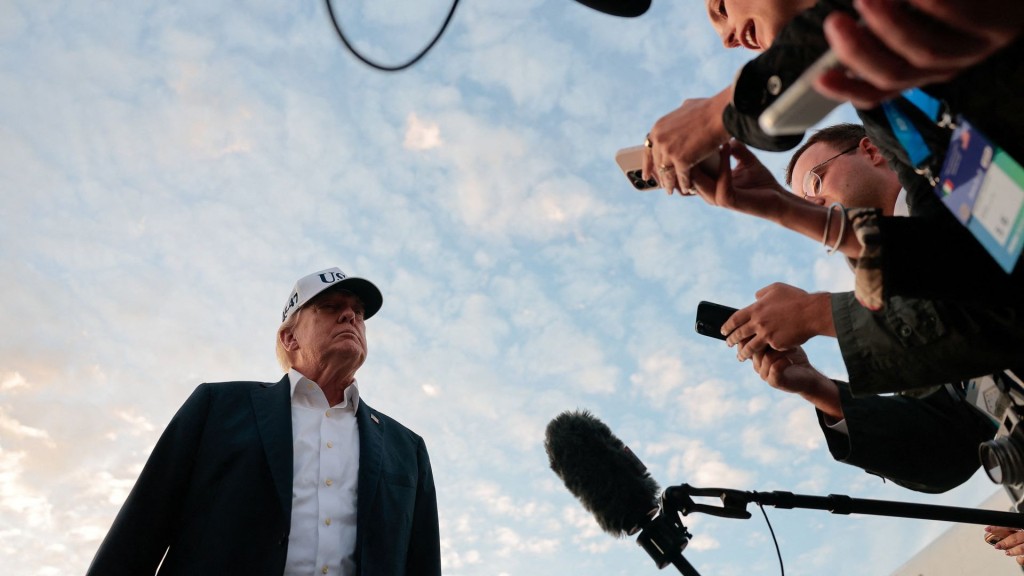
Speaking to reporters on Sunday at the Irish Open in Doonbeg, Trump brushed aside questions about whether tensions surrounding Taiwan could derail the meeting between the leaders of the world's two largest economies.
"No, I'm not worried about that," Trump said. "We have a great relationship. He wants to get along, and we want it."
The comments come as Washington and Beijing face a fresh test in their already strained relationship. Trump is weighing approval of a proposed US$14 billion arms package for Taiwan, according to the report, a move that Beijing views as a direct challenge to its position on the self ruled island.
China considers Taiwan part of its territory and has repeatedly opposed U.S. arms sales and military support for Taipei. Washington, while maintaining unofficial relations with Taiwan, has continued to provide weapons under its long standing commitments to support the island's ability to defend itself.
The possible US$14 billion package has therefore become more than a defence transaction. It has emerged as a potential obstacle to one of the most closely watched meetings between Washington and Beijing this year.
A summit planned against a difficult backdrop
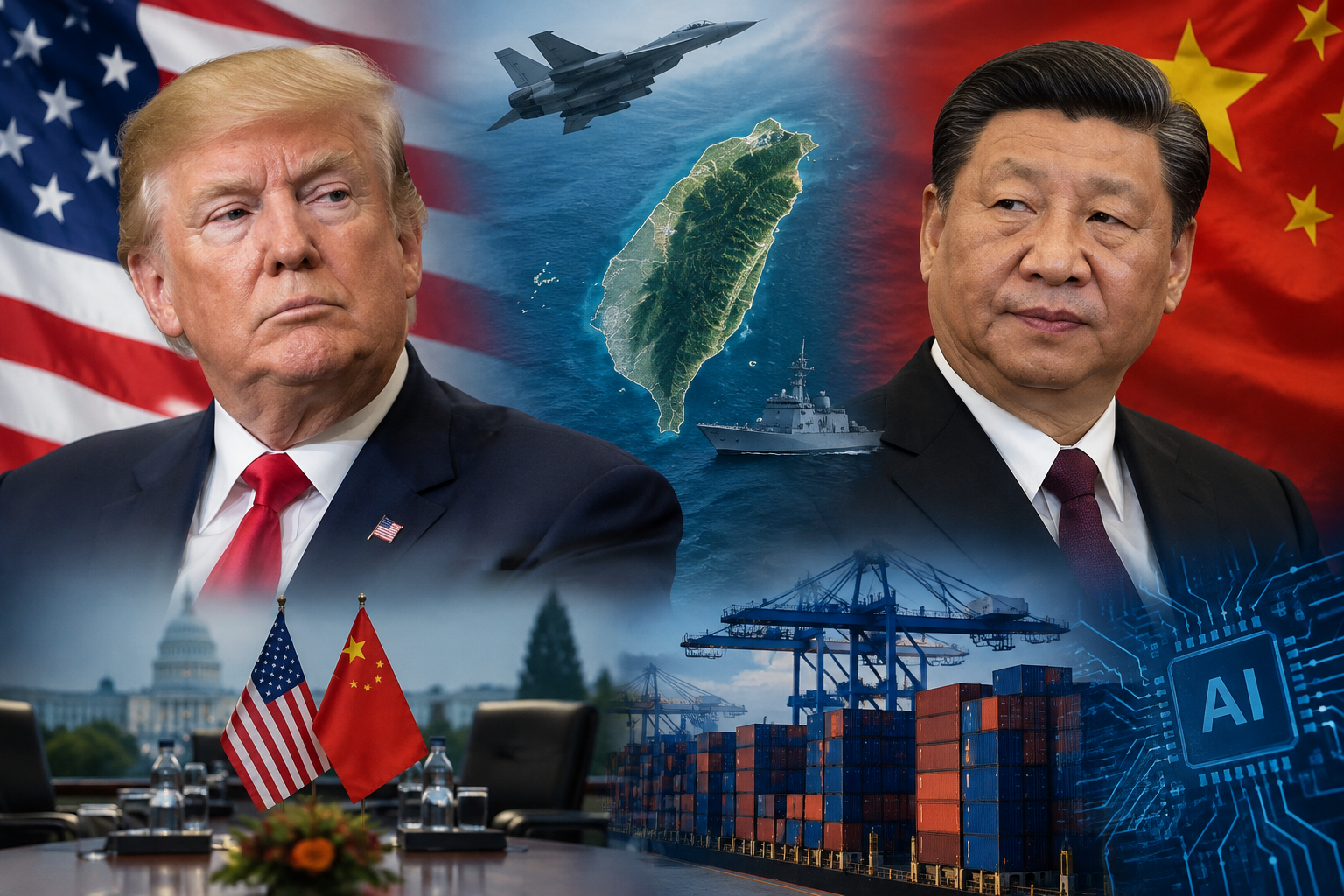
Trump and Xi are expected to meet face to face in Washington later this month, with both governments seeking to prevent disagreements over Taiwan, trade and other international disputes from causing a further deterioration in relations.
The meeting would bring together two leaders whose countries remain deeply connected economically while competing more aggressively over technology, security and global influence.
Taiwan is expected to be among the most sensitive issues.
Beijing has consistently warned Washington against strengthening military ties with Taipei. Chinese officials argue that foreign arms sales interfere in China's internal affairs and could encourage Taiwan to move closer to formal independence, a step Beijing has said it would strongly oppose.
The United States has taken a different position, maintaining that its support for Taiwan is intended to help preserve the island's security and discourage attempts to change the existing situation by force.
Trump's decision on the proposed arms sale could now determine whether the planned diplomatic engagement proceeds without disruption.
Reports that China had warned the United States about the possibility of cancelling Xi's visit placed the proposed summit under immediate pressure. Trump, however, gave no indication on Sunday that he believed Beijing would follow through on such a threat.
Instead, he pointed to his personal relationship with Xi and expressed confidence that both sides wanted to maintain communication.
"We have a great relationship," Trump said, describing the planned engagement as part of an effort to keep the two governments talking despite their disagreements.
Taiwan is not the only source of tension
The Washington meeting is expected to address a broad list of disputes that extend well beyond Taiwan.
Trade remains one of the most immediate concerns. The two countries are operating under a trade truce that is scheduled to expire on November 10, creating pressure on both sides to decide whether they can preserve the arrangement or face another period of economic confrontation.
The United States and China have spent years imposing tariffs, negotiating temporary agreements and attempting to establish limits on their broader economic competition. Even when political leaders have succeeded in easing tensions, disputes over market access, technology and strategic industries have continued.
The approaching expiration of the trade truce adds urgency to the planned talks.
A meeting between Trump and Xi could provide an opportunity to extend the arrangement or establish a new framework for negotiations. Failure to reach common ground, however, could reopen disputes that affect businesses, investors and supply chains across both economies.
Artificial intelligence is also expected to feature in discussions between the two leaders.
Washington and Beijing increasingly view advanced technology as an area of strategic competition, with both countries investing heavily in artificial intelligence, computing infrastructure and related industries. Restrictions on technology transfers and access to advanced systems have added another layer of difficulty to the wider relationship.
The Washington summit is therefore expected to involve both immediate political disputes and longer term questions about how the United States and China manage competition in industries expected to shape economic and military power in the coming decades.

Iran war adds another point of conflict
Relations have also come under renewed pressure because of the war involving Iran.
China remains the main buyer of Iranian oil and has resisted Trump's calls to reduce its economic relationship with Tehran. That disagreement has placed the two countries on opposing sides of another major international dispute and increased the number of issues requiring direct discussion between their leaders.
For Washington, China's continued purchases of Iranian oil represent a broader challenge to efforts aimed at increasing pressure on Tehran.
For Beijing, its economic relationship with Iran forms part of a wider approach to protecting energy supplies and maintaining ties with countries facing U.S. pressure.
The disagreement illustrates how U.S. China relations now extend far beyond bilateral trade. Decisions made in the Middle East, Asia and the technology sector can quickly become part of the broader contest between Washington and Beijing.
That makes the planned summit particularly important.
Neither side is expected to resolve every dispute in a single meeting. Taiwan alone has remained a source of disagreement between China and successive U.S. administrations for decades. Trade negotiations have also repeatedly produced temporary agreements rather than permanent settlements.
Still, direct talks between Trump and Xi would give both governments an opportunity to address several areas of tension at once.
Trump projects confidence as decision approaches
Trump's remarks in Doonbeg suggested that he does not believe the Taiwan arms issue will be enough to prevent Xi from travelling to Washington.
His confidence rests largely on the relationship he says the two leaders have maintained and on his belief that both countries have reasons to avoid a further escalation in tensions.
China has an interest in managing its economic relationship with the United States, particularly as the trade truce approaches its November deadline. The United States, meanwhile, faces its own interest in preventing disputes with Beijing from spreading further across trade, technology and international security.
But Trump's comments do not remove the political risk surrounding the proposed Taiwan arms sale.
If Washington approves the US$14 billion package, Beijing could respond through diplomatic, economic or military measures. The reported warning about Xi's visit shows that China is prepared to link the issue directly to high level diplomacy.
For Trump, the challenge will be balancing support for Taiwan with his stated goal of maintaining a workable relationship with Xi.
The weeks leading up to the planned Washington meeting are likely to show whether those two objectives can be pursued at the same time.
For now, Trump is publicly betting that they can.
The central question is whether Beijing will accept a major U.S. arms sale to Taiwan without allowing it to derail the summit, or whether Washington's decision on the US$14 billion package will become the issue that determines whether Trump and Xi meet face to face at all.