

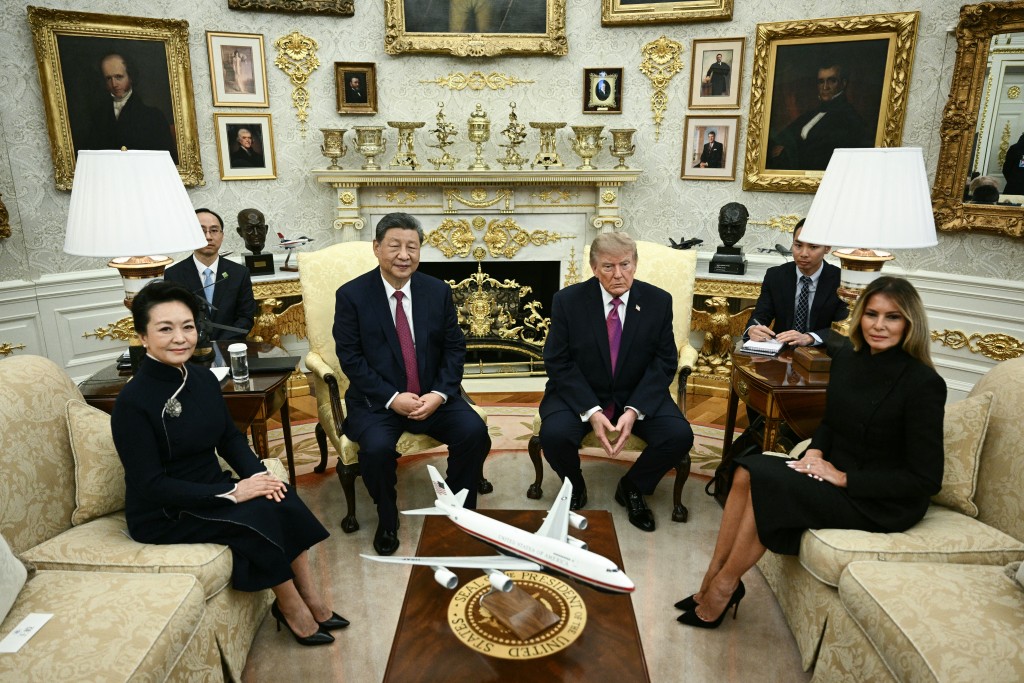
Chinese President Xi Jinping called on the United States to keep artificial intelligence under human control and strengthen communication with Washington as President Donald Trump welcomed him to the White House on Thursday for a state visit focused on some of the most difficult issues in the US-China relationship.
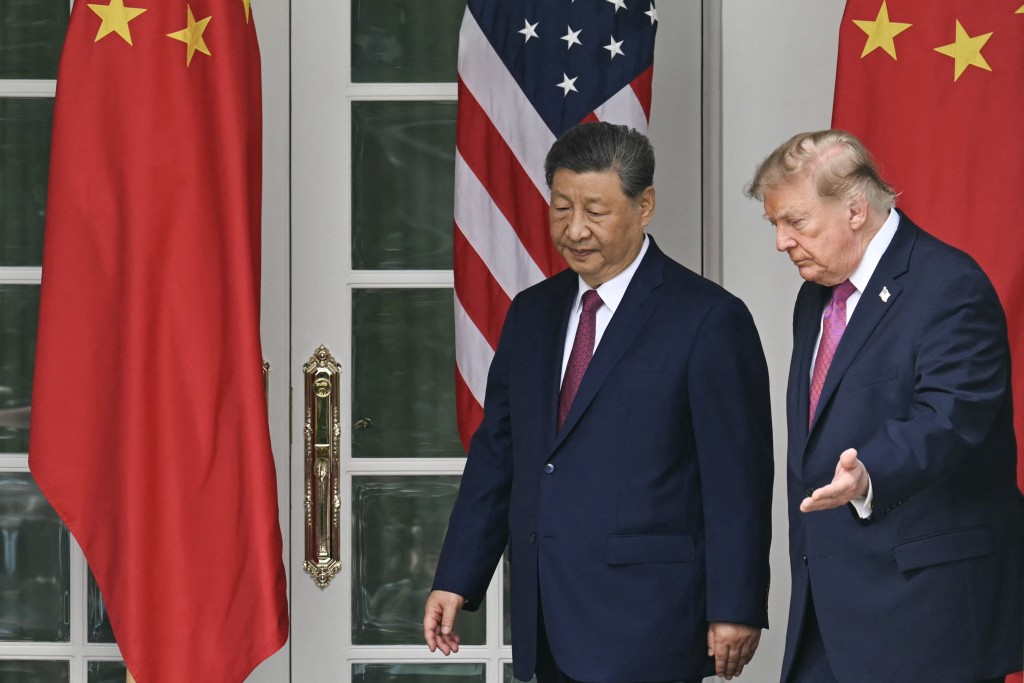
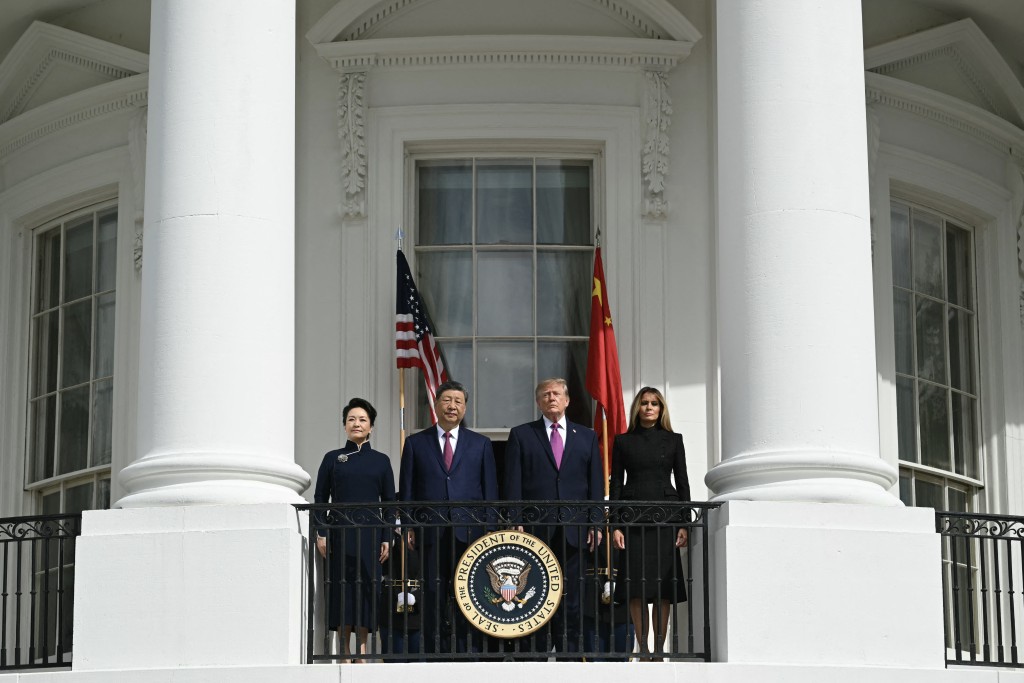
The two leaders opened the day with a formal ceremony on the White House South Lawn before moving into talks with senior officials. Their meeting comes as Washington and Beijing attempt to prevent renewed economic confrontation while competing over advanced technology and disagreeing over Taiwan and the war involving Iran.
Trump described his relationship with Xi in unusually warm terms, calling it a “truly great friendship” and saying the two countries had made significant progress during their recent meetings.
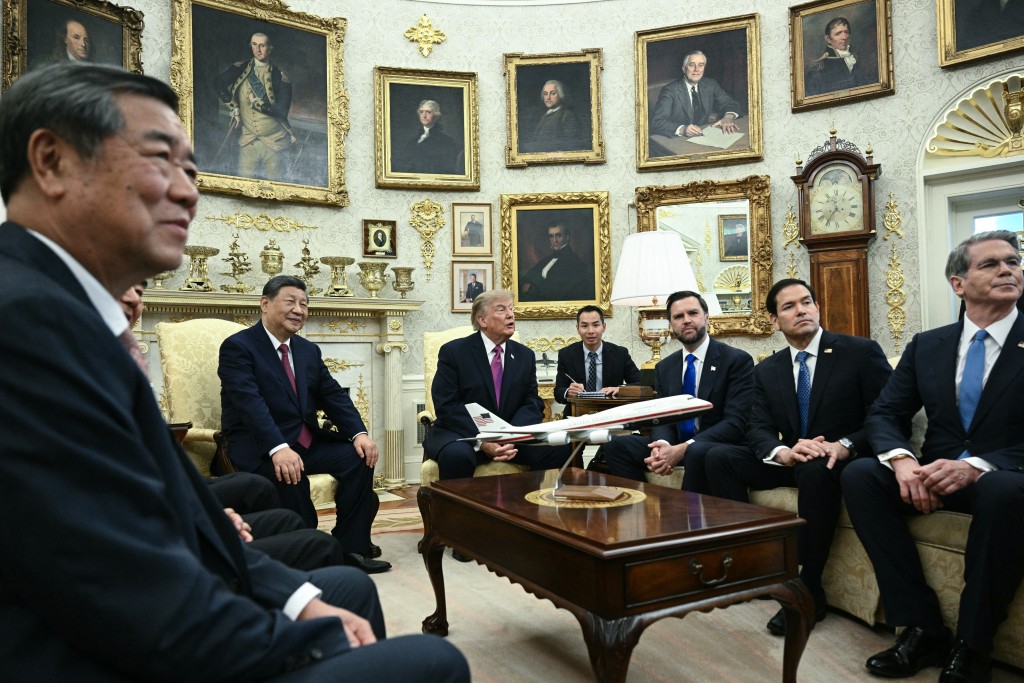
“Working together, President Xi and I have made tremendous strides on the issues facing our two countries,” Trump said as the leaders began their discussions.
He said the talks would include security and technology, as well as what he called “super intelligence,” or SI.
Xi used his opening remarks to place particular emphasis on artificial intelligence. Rather than treating AI only as an area of competition, he said the United States and China shared a responsibility to ensure that the technology remained subject to human direction.
“We have both the capability and responsibility to develop and manage AI for good and ensure that the development of AI is always under human control,” Xi said.
He also called for stronger communication between the two governments, saying the two countries had a responsibility to contribute to human development and progress.
The emphasis on AI reflects a growing area of competition between Washington and Beijing. Both governments are seeking greater influence over advanced computing, artificial intelligence systems and the technologies that support them. At the same time, each side has concerns about the other's access to sensitive technology.
US restrictions on advanced computer chips have limited China's access to some of the hardware used to develop sophisticated AI systems, while Beijing has continued to pursue greater technological independence. The two governments have discussed ways to communicate about AI-related risks, but their broader technological competition remains unresolved.
Trade Truce Offers Temporary Breathing Room
Trade will be another major issue during the discussions.
The United States and China agreed on Wednesday to extend their existing trade truce by two months, postponing the threat of a return to broader tariff confrontation. US Treasury Secretary Scott Bessent announced the extension as officials from both countries continued negotiations over their economic relationship.
The agreement provides additional time for Washington and Beijing to address disputes involving tariffs, technology restrictions and critical minerals.
The temporary arrangement matters because the two economies remain deeply connected despite years of escalating restrictions. American businesses depend on Chinese manufacturing and supply chains across numerous industries, while China continues to rely on access to important foreign markets and technologies.
The latest extension does not resolve the underlying disputes. Instead, it gives negotiators additional time to seek a longer-term arrangement while the leaders address wider strategic disagreements. Reuters reported before the visit that Washington was seeking progress on trade and critical minerals, while Beijing was pushing back against restrictions affecting its access to advanced US technology.
Iran Adds Another Point of Tension
The war involving Iran is also expected to feature prominently in the discussions.
Trump confirmed that he planned to raise the issue with Xi, despite earlier reports and public statements concerning whether Chinese entities had provided Tehran with intelligence related to US military positions.
Washington has been pressing Beijing to use its economic and diplomatic influence over Iran. China, meanwhile, has maintained economic ties with Tehran, including its role as a major buyer of Iranian oil.
The issue creates another area in which the interests of the two governments overlap only partially. Trump has sought greater pressure on Iran, while Beijing has continued to maintain relations with Tehran.
The Iran issue also has wider economic consequences. Disruptions involving energy supplies and shipping routes can affect global markets, adding an international dimension to the dispute between Washington and Beijing.
Taiwan Remains a Sensitive Issue
Taiwan is likely to be among the most closely watched subjects during the talks.
Beijing considers Taiwan part of China and opposes US arms sales to the island. Washington has maintained a longstanding policy of providing Taiwan with defensive support while retaining strategic ambiguity over whether US forces would intervene in a conflict.
The issue has become increasingly important as Washington and Beijing compete over security and technology in the Indo-Pacific.
Xi is expected to press the United States over its military relationship with Taiwan, while officials in Washington face the challenge of maintaining their established policy without allowing the disagreement to derail broader discussions.
Taiwan also has major importance for the global technology industry because of its semiconductor manufacturing capacity. That makes the island relevant not only to military planning but also to the supply chains behind advanced computing and artificial intelligence.
A Visit Built Around Ceremony and Diplomacy
The tone of the visit has been notably formal.
Trump personally greeted Xi at Joint Base Andrews on Wednesday, an unusual gesture for a visiting foreign leader. The White House had announced that the visit would include a state arrival ceremony, meetings at the White House and a state dinner hosted by Trump and First Lady Melania Trump.
Thursday's programme included the formal South Lawn ceremony, discussions in the Oval Office and a military flyover. The state dinner brought together political, business and technology figures, reflecting the importance of technology and economic relations in the broader US-China relationship.
The visit is Xi's first trip to the White House in more than a decade. He is scheduled to remain in the United States through Friday, September 25. The White House said the final part of his programme will include tea with the two presidential couples and a visit to the National Archives, where the US Declaration of Independence is kept.
Xi also announced a softer diplomatic gesture during the talks: two giant pandas are due to arrive at Zoo Atlanta in the coming days. The animals are part of a conservation arrangement between China and the United States and continue a long tradition of panda diplomacy between the two countries.
Managing Competition Without Breaking Dialogue
Neither government has signalled that the visit will produce a comprehensive settlement of the disputes dividing Washington and Beijing. Instead, the immediate objective is to keep communication open and prevent disagreements over trade, technology, Taiwan and Iran from triggering a wider deterioration in relations.
That makes the talks significant even where no major agreement emerges. The two countries remain economic competitors, technological rivals and opposing powers on several major security questions. Yet both governments also have reasons to avoid an uncontrolled escalation.
For Trump, the trade truce extension creates space for further negotiations. For Xi, continued engagement with Washington provides an opportunity to address technology restrictions, economic measures and Taiwan while maintaining direct communication with the US president.
The next test will come after the ceremonies end: whether the temporary trade arrangement can develop into a longer agreement, whether Washington and Beijing can establish meaningful channels for discussing AI risks, and whether disagreements over Taiwan and Iran can be contained.
Can Washington and Beijing turn the renewed dialogue into lasting agreements on trade, AI and regional security?