

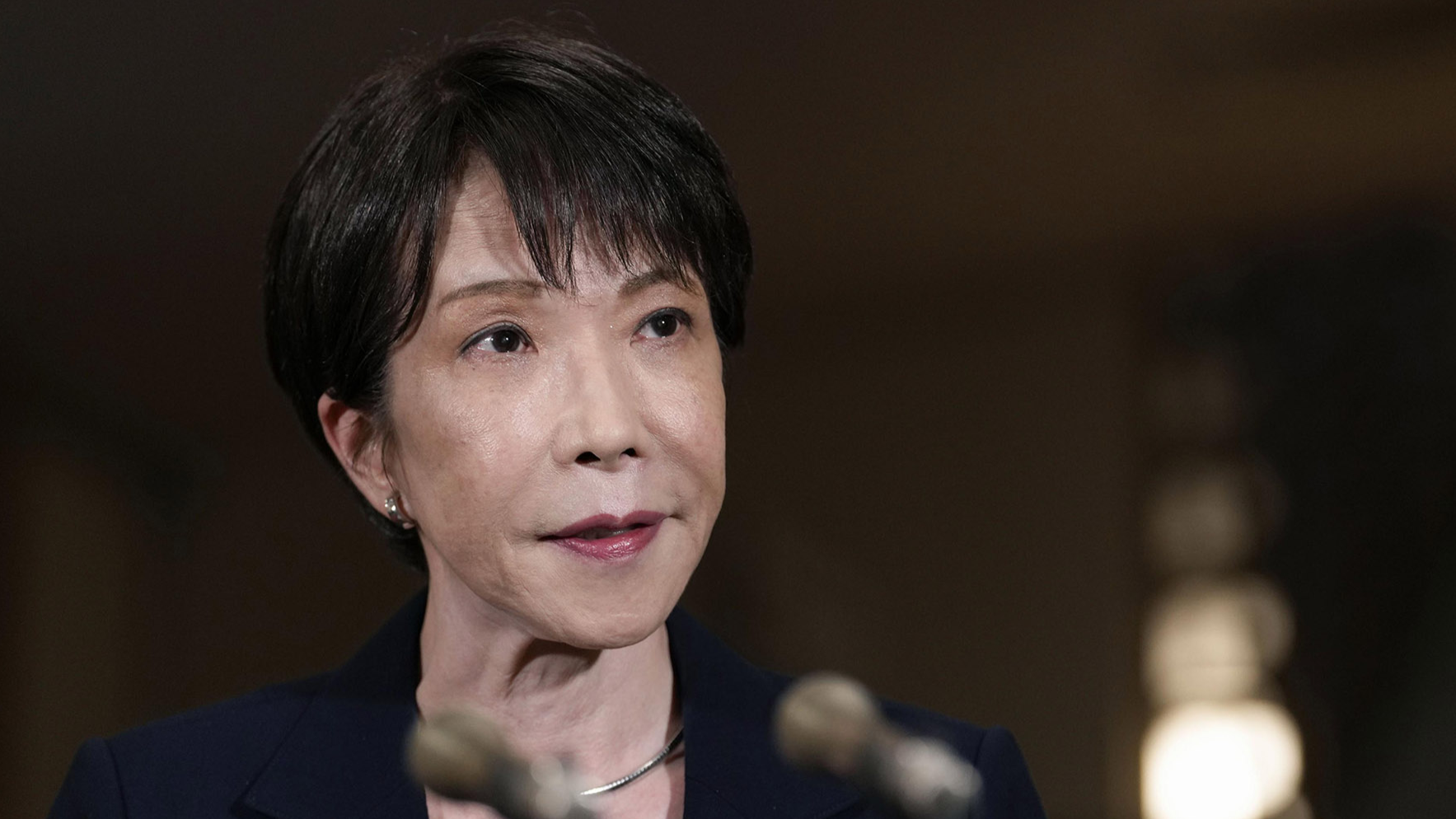
Japanese Prime Minister Sanae Takaichi will reshuffle the ruling Liberal Democratic Party's leadership team on Wednesday before making changes to her Cabinet on Thursday, setting up a two day personnel overhaul that could shape her government's direction ahead of the next parliamentary session.
Takaichi, who also serves as president of the LDP, announced the timetable Tuesday at a meeting of senior party executives at the LDP headquarters in Tokyo. Party officials had agreed on Sept. 8 to leave decisions over personnel appointments to the prime minister.
The changes come as Takaichi seeks to maintain control of the ruling party while preparing her government for a demanding political agenda that includes tax policy, economic measures and legislation expected to come before the Diet.
The reshuffle is also being watched for clues about Takaichi's political strategy ahead of the next LDP presidential election, scheduled for autumn 2027. With senior figures inside the party expected to compete for the leadership in the future, decisions over who stays in key positions could affect the balance of power within the governing party.
Key LDP Figures Expected to Stay
Despite the scale of the personnel changes, Takaichi is expected to retain several senior figures in their current party positions.
LDP Vice President Taro Aso, Secretary General Shunichi Suzuki and policy chief Takayuki Kobayashi are all expected to remain in place, according to reports based on people familiar with the prime minister's plans.
Aso, 85, remains one of the most influential figures in the LDP. His continued presence is particularly significant because his backing played an important role in Takaichi's victory in last year's party leadership contest. Suzuki, 73, is also expected to retain his post, while Kobayashi, 51, is set to continue overseeing party policy.
Keeping the three figures would point towards continuity at the top of the party rather than a wholesale change in its leadership structure.
That approach could help Takaichi preserve established relationships inside the LDP while concentrating changes on selected posts where she wants a different political approach.
Murai Considered for Key Parliamentary Role
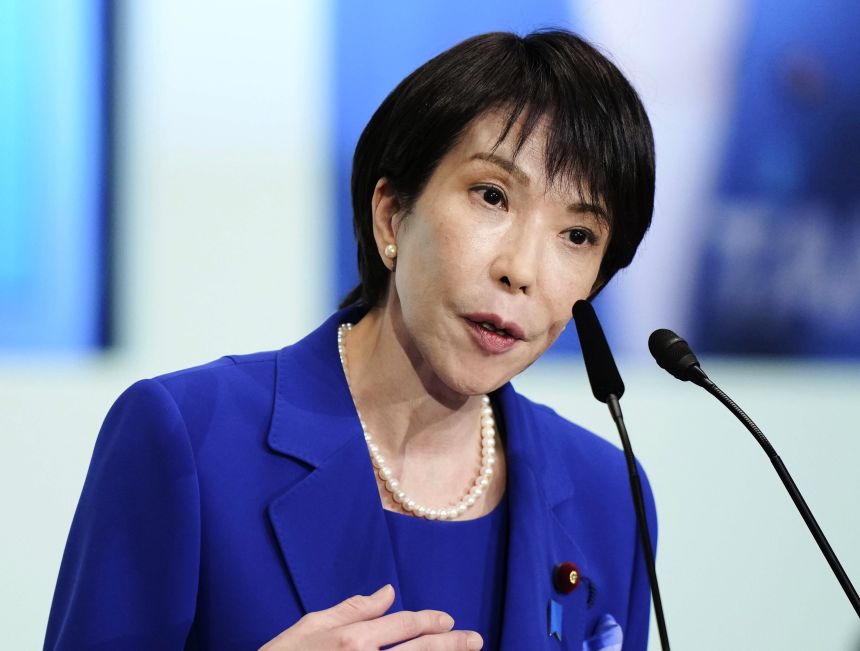
One of the most closely watched changes involves Hideki Murai, a former deputy chief Cabinet secretary who is being considered for the LDP's parliamentary affairs chief position.
Murai, 46, has been elected to the House of Representatives six times. Before entering politics, he worked as a Finance Ministry bureaucrat. He later served as a special adviser to former Prime Minister Fumio Kishida and became deputy chief Cabinet secretary.
The parliamentary affairs chief plays an important role in managing relations between the ruling party and other parties in the Diet. The position involves negotiations over legislation, parliamentary scheduling and coordination between the LDP's lawmakers and the prime minister's office.
Murai's possible appointment would be unusual because the position is traditionally given to someone with Cabinet experience. He has never served as a Cabinet minister.
Party sources have nevertheless indicated that Takaichi may see Murai as a useful choice because of his experience in parliamentary negotiations and reform efforts.
His previous work has included negotiations between governing and opposition parties as well as duties connected with the Lower House steering committee.
That experience could become particularly useful when the Diet turns to contentious legislation later this year.
Cabinet Changes Follow on Thursday
The Cabinet reshuffle will take place one day after the LDP leadership changes.
Takaichi's Cabinet was originally formed in October 2025, making the planned changes the first major Cabinet reshuffle since she took office.
Several of her most senior ministers are expected to remain in their posts.
Chief Cabinet Secretary Minoru Kihara, Finance Minister Satsuki Katayama, Foreign Minister Toshimitsu Motegi and Defense Minister Shinjiro Koizumi are all expected to continue in their current positions.
The expected retention of these ministers would give Takaichi continuity in several policy areas that are receiving close attention both inside Japan and overseas.
Katayama has been involved in economic and currency discussions, while Motegi has been responsible for managing Japan's foreign relations. Koizumi has overseen the country's defense portfolio as Tokyo has continued strengthening its security capabilities.
Kihara, meanwhile, has played a central coordinating role within the government as chief Cabinet secretary.
Reports earlier this month indicated that Takaichi was particularly interested in keeping Katayama and Motegi because of the importance of continuity in economic and foreign policy. Koizumi was also expected to stay in the defense post.
Coalition Partner Could Enter Cabinet
Another issue to watch is the role of the Japan Innovation Party, or Nippon Ishin no Kai, which has cooperated with Takaichi's government from outside the Cabinet since the administration was formed.
The government has been considering bringing a member of the party into the Cabinet as part of the reshuffle.
Possible candidates have included former party leader Nobuyuki Baba, co leader Fumitake Fujita and Secretary General Hiroshi Nakatsuka. Nakatsuka was specifically reported to be under consideration for a ministerial position.
The move would change the nature of the relationship between the LDP and its coalition partner. Rather than supporting the government from outside the Cabinet, the Japan Innovation Party would have one of its members directly involved in government.
The position offered to the party could be either internal affairs minister or minister of state for regulatory reform, although the final arrangement was still being worked out.
Such an appointment would also give Takaichi another way to strengthen cooperation inside the governing bloc as her administration prepares for legislation expected to face parliamentary scrutiny.
Tax Policy Will Be a Major Test
The personnel changes come at a time when Takaichi's government is preparing major economic measures.
The administration has been working on a proposal to cut the consumption tax on food from 8 percent to 1 percent for two years beginning in April 2027. The plan is intended to ease pressure on households facing higher living costs, but questions remain over how the government will replace the lost revenue.
The government finalized an outline for the tax cut and household payments on Tuesday without specifying a full funding plan.
That issue will put pressure on the new Cabinet to balance household relief with Japan's already heavy public debt burden.
The proposed tax changes are expected to be among the issues facing the Diet when it reconvenes.
Another measure expected to attract attention is legislation aimed at reducing the number of seats in the Lower House. Murai's experience in parliamentary negotiations could become particularly relevant if he takes over the LDP's parliamentary affairs operation.
Economic Policy Remains at the Centre
Takaichi's broader economic programme has placed strong emphasis on investment in areas such as artificial intelligence, semiconductors and other industries regarded by the government as important to Japan's future growth.
A recent Reuters survey found that more than two thirds of Japanese companies supported her economic policies, although there was considerably more disagreement over the proposed food tax reduction.
The government has also faced scrutiny over its plans for higher public spending and the effect of increased borrowing costs on Japan's finances.
Fitch Ratings has been monitoring whether Takaichi's growth focused spending plans can be balanced with fiscal discipline. The rating agency has also been assessing the government's strategy for encouraging private investment in priority industries.
The reshuffle therefore comes at a point when personnel decisions and economic policy are closely connected. The ministers and party officials Takaichi chooses will be responsible for turning those plans into legislation and government programmes.

Foreign and Defense Policy in Focus
Foreign policy will also remain a major responsibility for the new Cabinet.
Motegi is expected to stay as foreign minister after building relationships with the administration of US President Donald Trump and holding repeated talks with US Secretary of State Marco Rubio.
Koizumi is also expected to remain defense minister as Japan continues expanding its military capabilities.
The recent gubernatorial election in Okinawa could further affect the government's security agenda. Genta Koja, backed by Takaichi's government, won the election on Sept. 13, ending 12 years of opposition led administration in the prefecture. The result could make it easier for Tokyo to pursue parts of its defense programme in Okinawa, including plans involving US military facilities.
Japan's security policy has become increasingly focused on the country's southwestern islands and the wider region surrounding Taiwan.
The Cabinet will therefore inherit a foreign policy agenda that includes relations with the United States, regional security concerns and the unresolved issue of Japanese citizens abducted by North Korea.
A Reshuffle With Political Consequences
Takaichi's decision to spread the changes across two days allows the LDP leadership appointments to be settled before the Cabinet is announced.
That sequence gives her an opportunity to align the party's parliamentary operation with the ministers who will carry out government policy.
The expected retention of Aso, Suzuki and Kobayashi suggests she does not intend to disrupt the party's senior structure completely. At the same time, the possible promotion of Murai indicates that she wants to make selected changes where she sees a need for a different approach.
The Cabinet choices will offer another measure of that strategy.
If Takaichi keeps most of the ministers already handling economic, foreign and defense policy, the reshuffle will send a message of continuity. Bringing a Japan Innovation Party member into the Cabinet, meanwhile, would deepen cooperation with a key political partner.
The first decisions will come Wednesday, when Takaichi announces the new LDP leadership lineup. The Cabinet changes will follow Thursday.
Those appointments will show whether the prime minister is seeking a broad political reset or a more limited reshuffle designed to strengthen her existing government ahead of the next phase of the Diet's work.
Which appointments will have the greatest impact on Takaichi's ability to deliver her economic, tax and security agenda?