

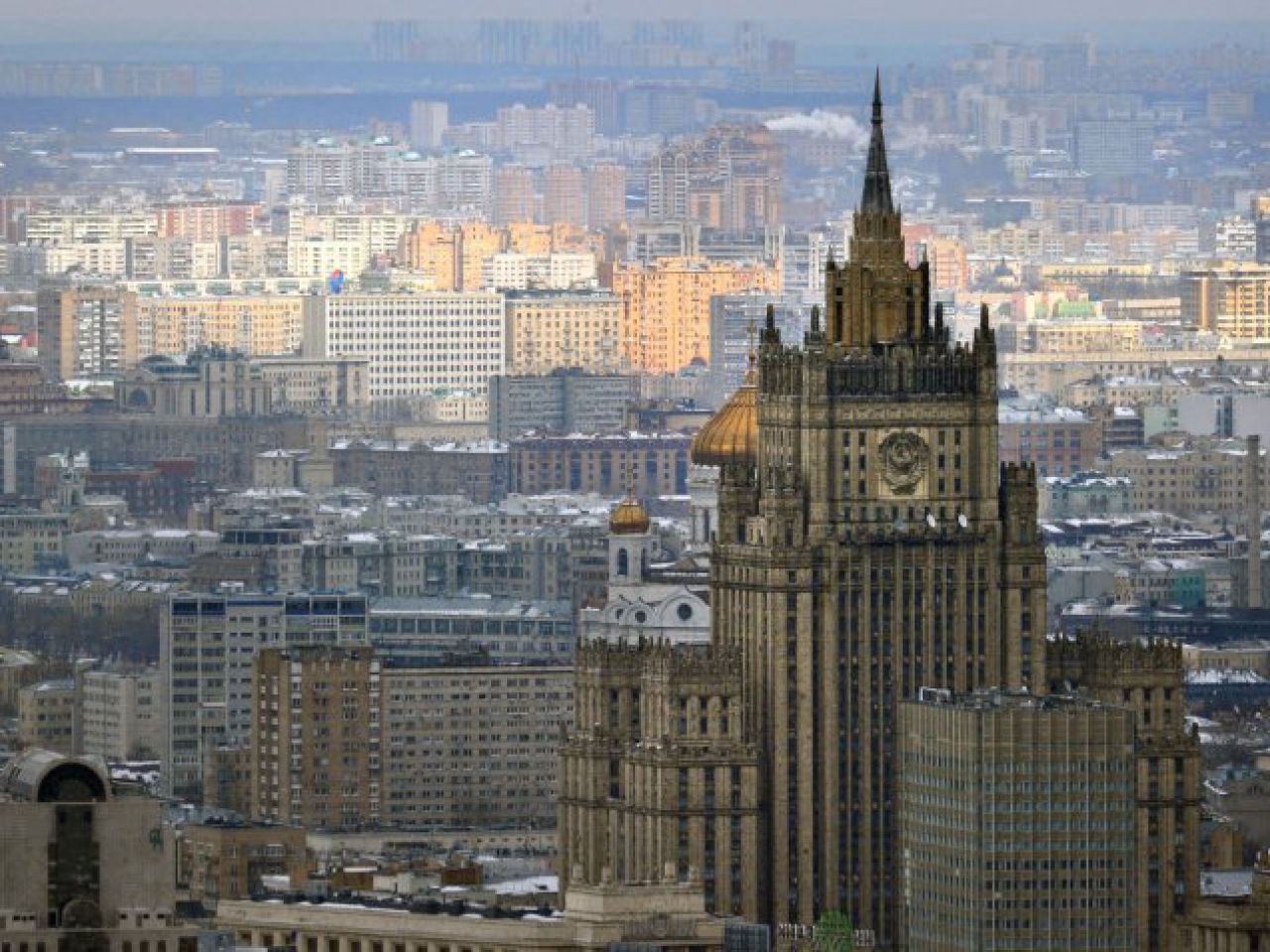
Russia has ordered several Hungarian diplomats to leave the country in retaliation for Hungary's expulsion of 10 Russian diplomatic staff last month, escalating a dispute that has placed new strain on relations between Moscow and Budapest.
The Russian Foreign Ministry summoned Hungary's chargé d'affaires, Gábor Gergics, on Thursday and informed him of the decision. Staff members working at Hungary's Embassy in Moscow and its Consulates General in St Petersburg and Kazan have been ordered to leave Russian territory within two weeks, according to the Russian Foreign Ministry.
The move followed Hungary's decision on September 8 to expel 10 Russian diplomats. Hungarian Foreign Minister Anita Orbán said at the time that Hungarian authorities had determined that the Russian diplomatic personnel had engaged in activities considered unacceptable for diplomats under the Vienna Convention.
Hungary did not publicly disclose details of the alleged activities. The government said the decision was taken on national security grounds and stressed that it did not amount to a decision to sever diplomatic relations with Russia.
Moscow Calls Hungary's Action Unfriendly
Russia had warned that it would respond after Budapest announced the expulsions. On Thursday, the Russian Foreign Ministry described Hungary's earlier action as unfounded and openly unfriendly and said the expulsion of Hungarian diplomatic personnel was a reciprocal measure.
The Russian ministry's decision applies to personnel at Hungary's main diplomatic mission in Moscow as well as its consular offices in St Petersburg and Kazan. The affected staff have been given a two week deadline to leave Russia.
The response was not unexpected. Russian Foreign Ministry spokeswoman Maria Zakharova had previously warned that Moscow would respond to Hungary's expulsion of Russian diplomats. After Budapest announced its decision in September, Zakharova said Russia's response would be harsh and painful, while Kremlin spokesman Dmitry Peskov said Moscow would deliver an appropriate response.
The latest decision stops short of a formal break in diplomatic relations. Both countries continue to maintain diplomatic missions, although the reciprocal expulsions reduce the number of personnel available to conduct diplomatic and consular work.
Hungary Stands by Its Decision
Hungary has acknowledged Moscow's action while maintaining that its original decision was justified.
The Hungarian government said it was not interested in an escalation of diplomatic tensions. At the same time, Budapest said it stood by the decision to expel the 10 Russian diplomats and said its diplomatic missions in Russia would continue operating.
That position mirrors the explanation given by Foreign Minister Anita Orbán when Hungary announced the initial expulsions. She said the Russian personnel had carried out activities that Hungarian authorities considered incompatible with diplomatic status under the Vienna Convention.
Orbán also made clear that Budapest did not intend to cut diplomatic ties with Moscow. Hungary said it wanted to continue necessary dialogue with Russia while insisting on respect for diplomatic rules.
The precise allegations against the 10 Russian diplomats have not been publicly detailed by the Hungarian government. Reports and statements surrounding the case have linked the wider dispute to concerns about Russian intelligence activity, but Budapest has not publicly provided a detailed account of what each expelled diplomat allegedly did.
A New Phase in Hungary's Relations With Russia
The diplomatic confrontation comes during a broader change in Hungary's foreign policy.
For years, former Prime Minister Viktor Orbán maintained close relations with Russian President Vladimir Putin and pursued extensive economic and political ties with Moscow. Hungary also remained more accommodating toward Russia than many other European Union members after Russia launched its full scale invasion of Ukraine in 2022.
Orbán left office after losing the April 2026 election, ending a 16 year period in which his government had maintained particularly close ties with Moscow. Prime Minister Péter Magyar's government has since sought closer relations with the European Union and NATO while also changing Budapest's approach to Russia.
The expulsion of 10 Russian diplomats in September was one of the clearest public signs of that change. Hungary had previously avoided taking similar large scale action against Russian diplomatic personnel even as several European countries expelled Russian diplomats following the invasion of Ukraine.
The latest Russian response shows that the change in Budapest's approach has immediate diplomatic consequences.
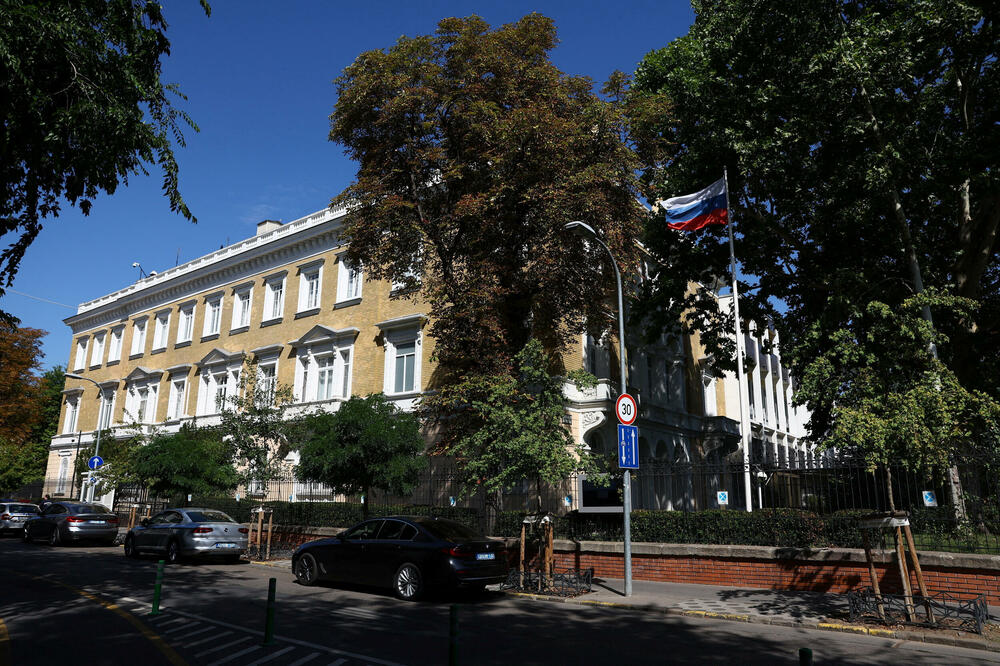
Diplomatic Personnel Caught in the Dispute
Diplomatic expulsions are a longstanding tool governments use when relations deteriorate. Declaring diplomats unwelcome allows a government to remove foreign officials without formally ending diplomatic relations.
In this case, both governments have used that mechanism against the other's diplomatic staff within weeks of each other.
Hungary first ordered 10 Russian diplomats to leave. Russia has now ordered a group of Hungarian personnel to depart from its territory. Moscow's announcement covers staff at the embassy in the capital and the two Hungarian consulates in St Petersburg and Kazan.
The Russian Foreign Ministry has not announced an equivalent number for the Hungarian side, meaning the scale of Moscow's response cannot yet be directly compared with Hungary's original expulsion of 10 Russian diplomats.
The two week departure deadline also gives Hungary time to make arrangements for the affected personnel and adjust staffing at its diplomatic missions.
What Happens Next
The immediate dispute remains focused on diplomatic personnel rather than a formal suspension of relations. Hungary has indicated that its missions in Russia will continue working, while Moscow has framed its action as a response to Budapest's earlier decision.
The exchange nevertheless adds another point of friction to relations between the two countries at a time when Hungary is changing its approach to Moscow.
For now, the practical question is how both governments manage their diplomatic missions after the expulsions while keeping communication channels open. Will Budapest and Moscow stop at reciprocal diplomatic measures, or will the dispute lead to further restrictions on bilateral relations?