

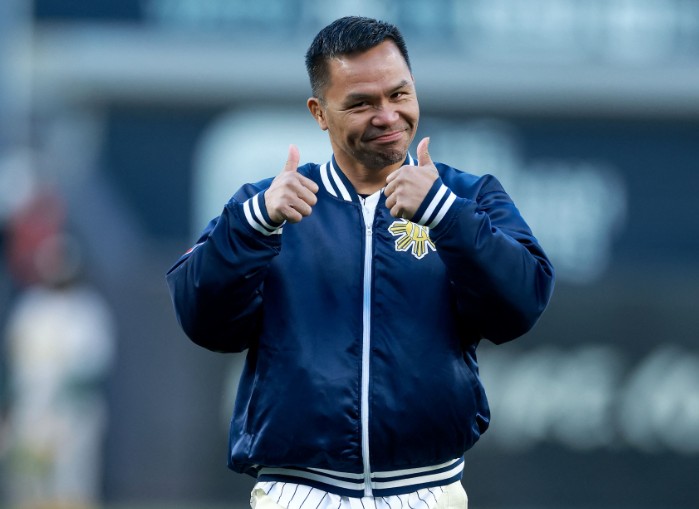
From street fights to the cabinet
Manny Pacquiao built his reputation by facing some of boxing’s toughest opponents in packed arenas around the world. Now the former world champion has taken on a very different challenge, joining the Philippine government in a senior role focused on one of the country’s most persistent problems: poverty.
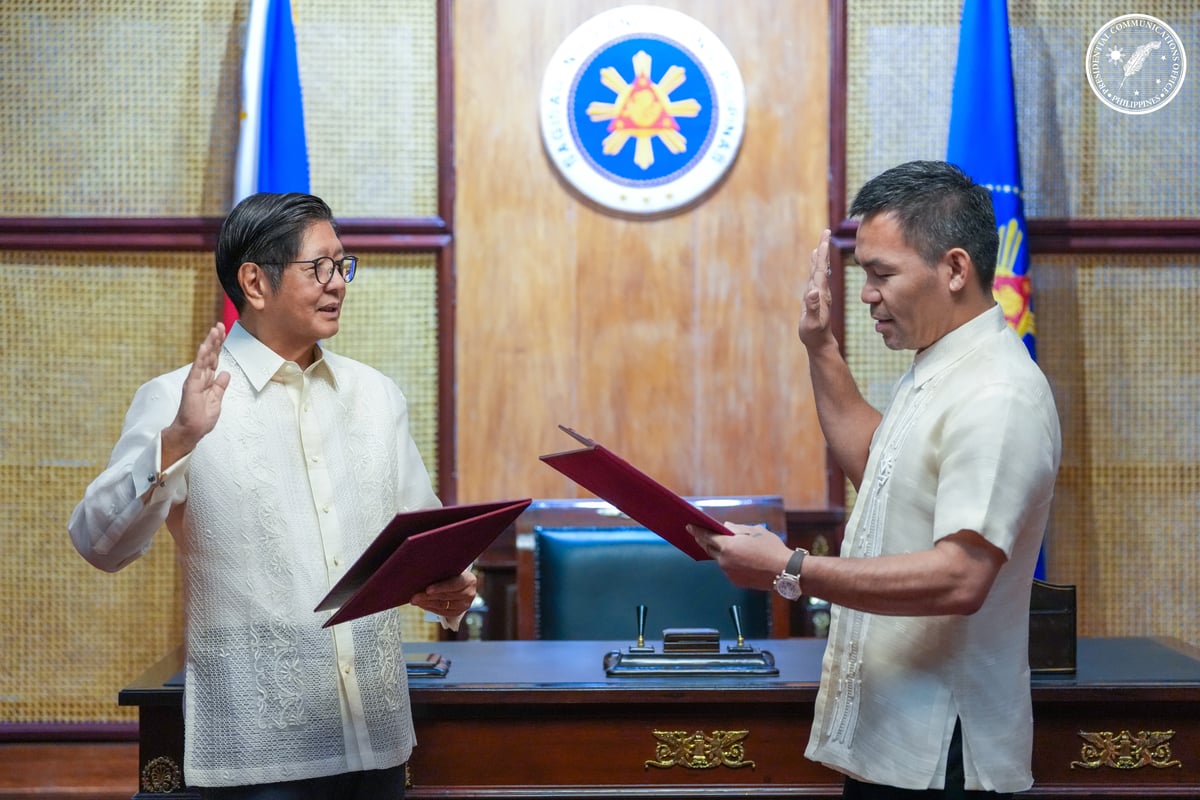
Pacquiao, 47, joined President Ferdinand Marcos Jr.’s cabinet yesterday after being appointed lead convener of the National Anti Poverty Commission. The appointment gives the former lawmaker his first cabinet position after a political career that took him from the House of Representatives to the Senate and eventually to an unsuccessful campaign for the presidency in 2022.
His new position will put him at the centre of efforts to coordinate government programmes designed to help Filipinos struggling with poverty and economic hardship.
For Pacquiao, the issue is not an abstract policy question. He has repeatedly spoken about growing up with very little and relying on whatever work he could find to support himself and his family.
“I came from poverty. I experienced sleeping on cardboard on the streets, drinking only water, having nothing to eat, and saving loose coins just to help my family,” Pacquiao said.
That personal history now forms a central part of the message he is bringing to his new government role.
A childhood shaped by hardship
Long before he became one of the Philippines’ best known sporting figures, Pacquiao lived a childhood marked by severe financial hardship.
As a boy, he fought on the streets for small sums of money, reportedly earning about US$2 per fight. He also worked as a ship stowaway, taking whatever opportunities were available as he tried to earn money and help his family.
Those early experiences would eventually shape the story he told throughout his boxing and political careers.
Pacquiao's rise from poverty to international sporting fame became one of the most recognisable success stories in Philippine sport. His career eventually took him far beyond the small sums he earned as a child. A Sports Illustrated article last year estimated his net worth at about US$220 million.
But his new government assignment places him back at the heart of an issue that was part of his life long before the wealth and fame arrived.
The National Anti Poverty Commission brings together government agencies and other sectors to coordinate efforts aimed at reducing poverty. As lead convener, Pacquiao will be expected to work across government rather than simply advocate for one particular programme.
That means translating his personal understanding of hardship into policies and programmes that can reach people facing similar circumstances.

From boxing champion to public servant
Pacquiao's move into the cabinet is the latest chapter in a political career that began after he had already become a national sporting hero.
His transition into politics was closely tied to his popularity as a boxer. He served in Congress before winning election to the Senate, giving him experience in national government before he made his bid for the presidency.
His 2022 presidential campaign ended without victory, but it did not mark the end of his political ambitions.
The cabinet appointment now gives him a new platform and a different set of responsibilities. In boxing, Pacquiao could measure success through wins, losses, rounds and championship belts. Poverty reduction is far harder to measure and requires sustained government action across multiple areas.
Jobs, household income, food security, access to basic services and support for vulnerable communities all form part of the wider challenge facing policymakers.
Pacquiao's appointment therefore puts his personal story alongside the government's broader policy machinery.
A message built around personal experience
Pacquiao has long used his childhood experiences when speaking about poverty. His account of sleeping on cardboard, drinking water because there was no food and collecting loose coins offers a direct explanation for why the issue matters to him.
That background could also help him connect with communities that may feel distant from government institutions.
Yet personal experience alone cannot solve a national economic problem. The challenge for Pacquiao will be turning his understanding of poverty into measurable government action and ensuring that anti poverty programmes reach the people they are designed to serve.
His role will require coordination between government bodies and the communities affected by poverty. It will also place him under pressure to demonstrate that his appointment produces results beyond speeches and public appearances.
The expectations are particularly high because Pacquiao enters public service with an unusual profile. He is not only a former senator and presidential candidate but also one of the most celebrated boxers in modern history.
A sporting career unlike any other
Pacquiao remains the only boxer to win world titles in eight different weight divisions, a record that helped establish him as one of the most successful fighters of his generation.
His career took him from street fights and financial hardship to some of the biggest boxing events in the world.
That journey has made his personal story especially powerful in discussions about poverty in the Philippines. The contrast is striking: a child who once fought for a few dollars eventually became a global sports celebrity with an estimated fortune of hundreds of millions of dollars.
His new role reverses the direction of that journey in another sense. Rather than fighting for his own economic survival, Pacquiao is now being asked to help shape government efforts for people who remain trapped in conditions similar to those he experienced.
The question is whether his political experience, public profile and understanding of poverty can be combined effectively with the work of government agencies already involved in poverty reduction.
The challenge ahead
Pacquiao's appointment comes with a responsibility that cannot be settled inside a boxing ring. Poverty is tied to household finances, employment, education, food, housing and access to government support, making progress dependent on policies that work over time rather than a single intervention.
His strongest advantage may be his ability to speak about poverty from personal experience. His greatest test will be showing that experience can translate into practical results.
For millions of Filipinos facing financial hardship, the measure of his new position will not be the prestige of a cabinet title. It will be whether government assistance becomes easier to access, whether opportunities improve and whether families have more reliable ways to earn a living.
Pacquiao once entered the boxing ring knowing that every round had a clear objective. His new fight has no final bell.
The challenge now is to turn his story of escaping poverty into policies that give other Filipinos a better chance to escape it too.
What should be the first priority for Pacquiao in his new role: jobs, food security, housing or direct financial assistance?