

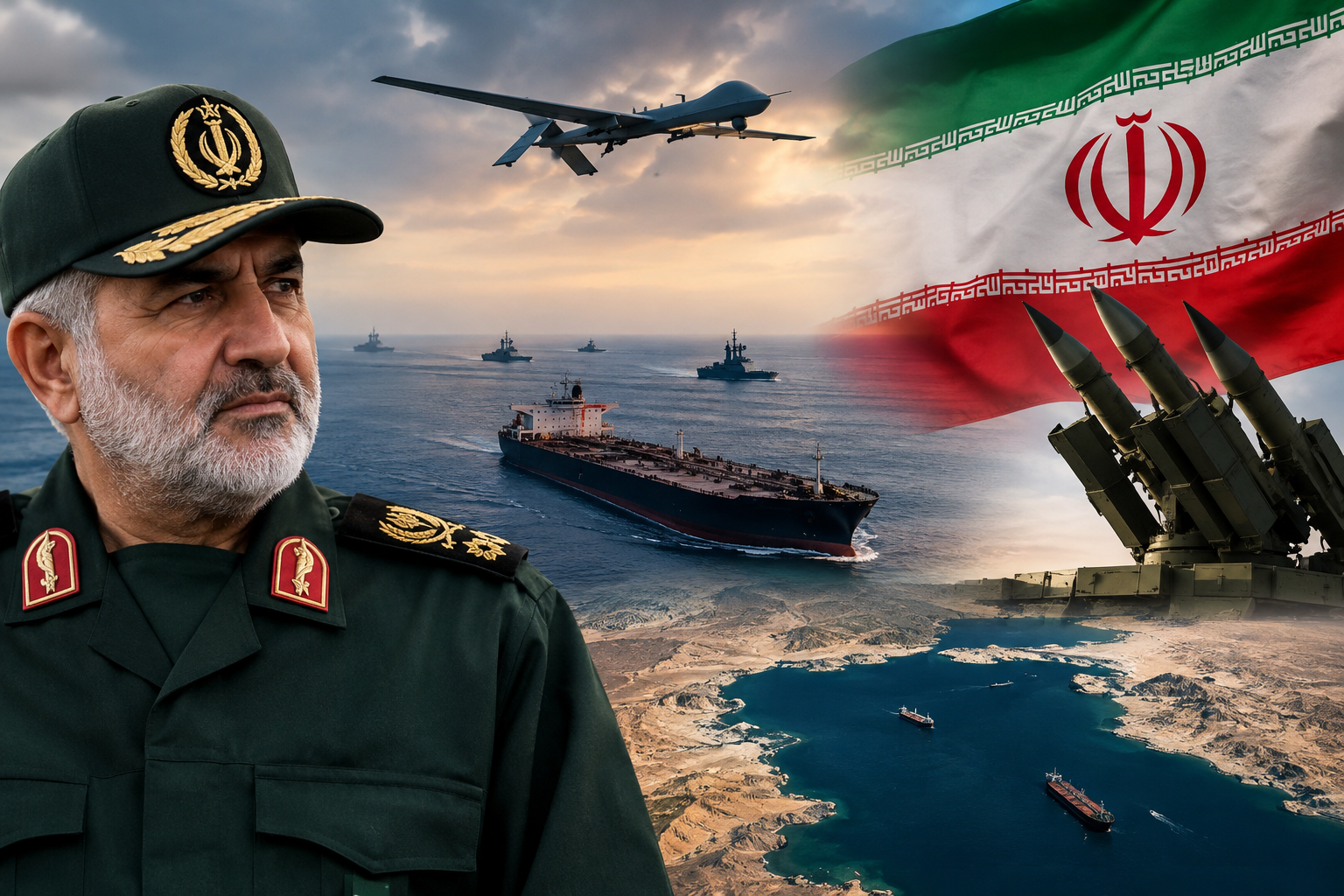
Iran has warned that another attack by the United States or Israel could expand the conflict into new areas, with the Islamic Revolution Guard Corps saying it has weapons and targets that have not yet been used.
Hossein Mohebbi, spokesperson for Iran's Islamic Revolution Guard Corps, said Tehran would alter what he described as the "geography" of the war if Iran faced another invasion. He made the remarks in an interview with Iran's Al Alam news channel published on Sunday night.
"If another invasion is launched against Iran, there will be significant changes in our defense and offense," Mohebbi said, according to the interview. "We will definitely change the war's geography."
He also said Iran would introduce weapons with new capabilities and strike targets that had not previously been attacked.
"We will certainly introduce new weapons with new capabilities into the fray, and the world will be astonished," Mohebbi said.
His comments came as tensions remained high around the Strait of Hormuz, one of the world's most important energy shipping routes, while Iranian and Western officials continued to face uncertainty over diplomatic efforts aimed at ending the wider conflict.
IRGC Says Conflict Is Not Over
Mohebbi rejected the idea that the fighting had reached a final end and said the IRGC had prepared for a prolonged confrontation.
The statement suggests that Iran's military leadership continues to plan for further hostilities rather than treating previous diplomatic efforts as a settled end to the conflict. His remarks also pointed to a possible expansion in the range of military targets if fighting resumes or intensifies.
The IRGC spokesperson did not publicly provide details about the weapons he referred to or identify the targets that have not yet been attacked.
The warning followed a statement from Iran's General Staff of the Armed Forces on Monday, which promised further setbacks for the United States, Israel and their allies.
"Iran's armed forces will not back down in the face of the enemy," the statement said, adding that the country's forces would respond to what it described as aggression by the United States, Israel and their allies.
The language from both statements signals that Iran's military authorities continue to frame the conflict as an active confrontation.
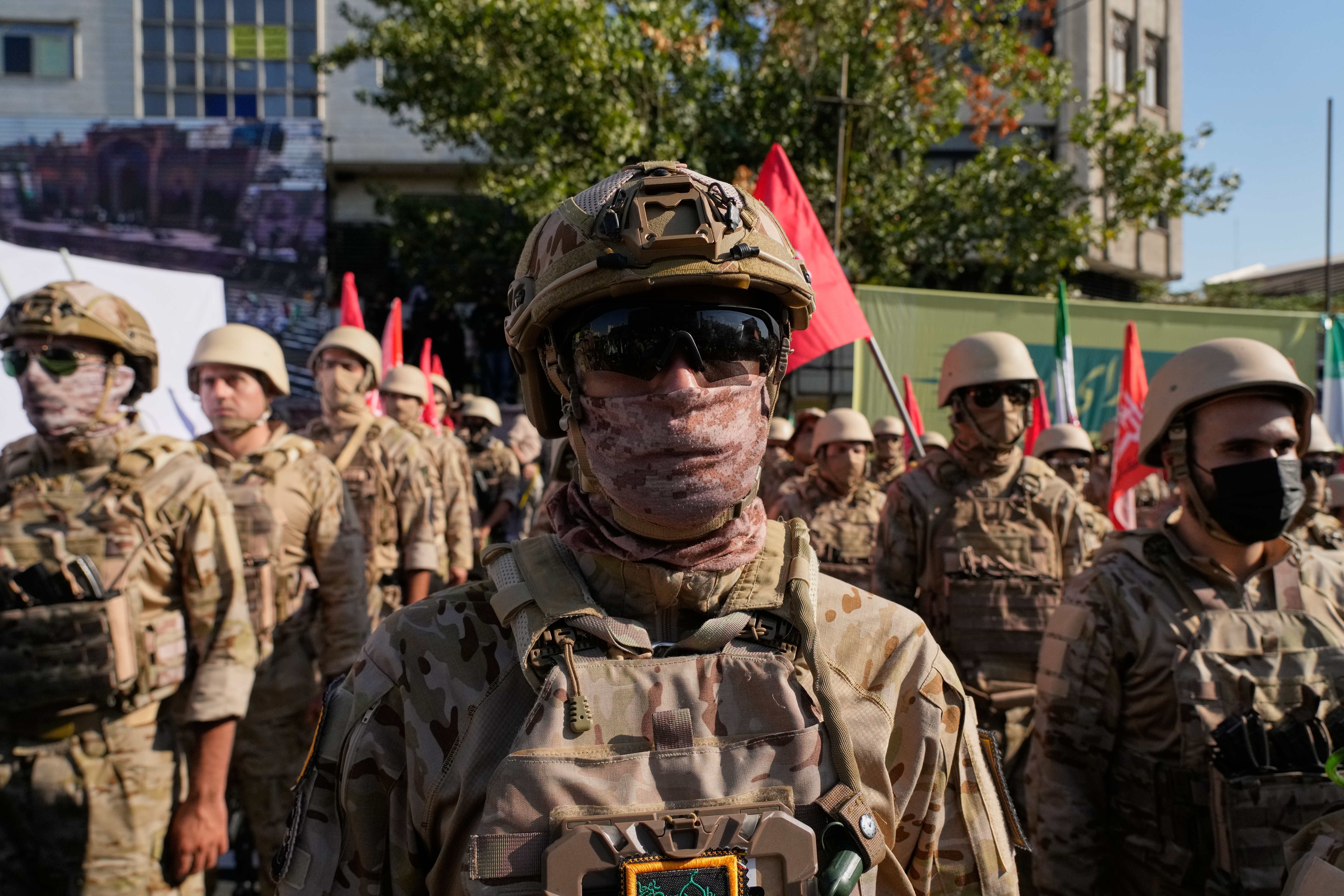
Iran Reports Drone Shootdowns Over Hormuz
Military activity around the Strait of Hormuz has added another layer of tension.
The IRGC said on Monday that its aerospace division's air defense had shot down a US MQ 1 Predator drone over the Strait earlier that day.
A day earlier, the Iranian Army said its air defense forces had intercepted an Orbiter drone over the same waterway.
The Strait of Hormuz connects the Persian Gulf with the Gulf of Oman and serves as a major route for international oil shipments. Any disruption in the area can quickly attract attention from governments, shipping companies and energy markets because of the volume of commercial traffic passing through the waterway.
The reported drone incidents came alongside a series of maritime security concerns involving commercial vessels.
Two Crew Members Injured on Tanker
The United Kingdom Maritime Trade Operations said on Monday that two crew members suffered minor injuries after a tanker was struck by an unknown projectile while transiting the Strait of Hormuz.
Military authorities informed UKMTO that the vessel was conducting an inbound transit when it was hit.
The tanker remained under its own power and continued toward its next port of call, according to the maritime security organisation. No environmental impact had been reported at the time of the statement.
The source of the projectile was not identified.
UKMTO said authorities were investigating the incident and advised vessels operating in the area to exercise caution and report suspicious activity.
The incident followed another tanker attack reported by UKMTO three days earlier. That vessel was also hit by an unknown projectile in the Strait, resulting in a fire onboard. All crew members were reported safe in that case.
The two incidents have added to concerns over the security of commercial shipping at a time when military tensions between Iran and its opponents remain elevated.
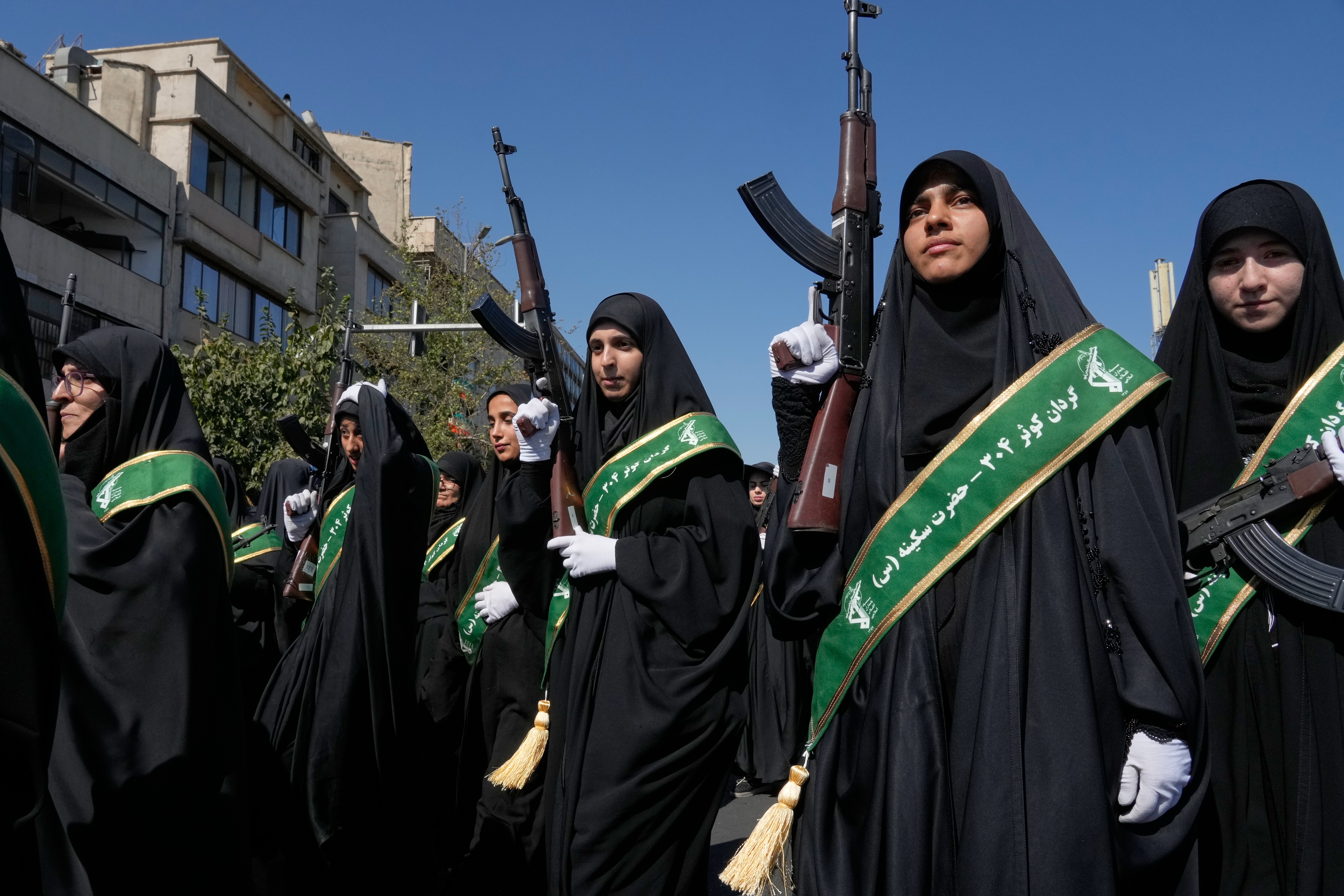
Previous Efforts to End the Conflict Face Uncertainty
The latest warnings also come against the backdrop of an earlier diplomatic agreement between Iran and the United States.
On June 18, Washington and Tehran signed a memorandum of understanding concerning efforts to end the war in the region on all fronts, including Lebanon.
The agreement called for negotiations within 60 days to seek a final settlement. That deadline expired on Aug 17, but the status of the talks has remained unclear as military tensions have increased again.
The lack of clarity over the negotiations has left open questions about whether the two sides can return to a sustained diplomatic process.
Iran's latest military statements indicate that Tehran is continuing to prepare for the possibility of renewed fighting while diplomatic channels remain uncertain.
Pezeshkian Expected at United Nations
Iranian President Masoud Pezeshkian is also expected to travel to New York on Tuesday to attend the 81st session of the United Nations General Assembly, according to Iran's official news agency IRNA.
Habibollah Abbasi, director general of public relations at the Iranian president's office, confirmed the planned trip in an interview with IRNA published on Monday.
Pezeshkian is expected to address the General Assembly and meet leaders and officials from other participating countries during his visit.
The trip could give Iran another diplomatic platform to present its position as military tensions continue.
Abbasi also said the US government had previously declined to issue visas to some members of the Iranian delegation, including members of the president's media team.
Washington said on Thursday that it would issue visas to some senior Iranian officials attending the UN session.
The visa issue adds another point of friction ahead of the gathering, although the planned presence of Iranian officials in New York provides an opportunity for direct meetings with foreign leaders and diplomats.
Military Pressure and Diplomacy Move in Parallel
Iran now faces a situation in which military warnings and diplomatic activity are unfolding at the same time.
The IRGC says it is prepared for a longer conflict and has warned that a new attack could bring weapons and targets not previously used into the confrontation. At the same time, Pezeshkian is preparing to attend the United Nations General Assembly, where Iran can engage directly with other governments.
Events around the Strait of Hormuz add an immediate security concern. Drone interceptions and attacks on commercial tankers have increased the risks for vessels operating through one of the world's busiest energy corridors.
For shipping companies, governments and crews at sea, the immediate question is whether the latest incidents remain isolated events or become part of a wider pattern of attacks.
With Iran warning of a broader military response and diplomatic efforts still unresolved, what steps will Tehran, Washington and other regional governments take to prevent the next incident from triggering a wider escalation?