

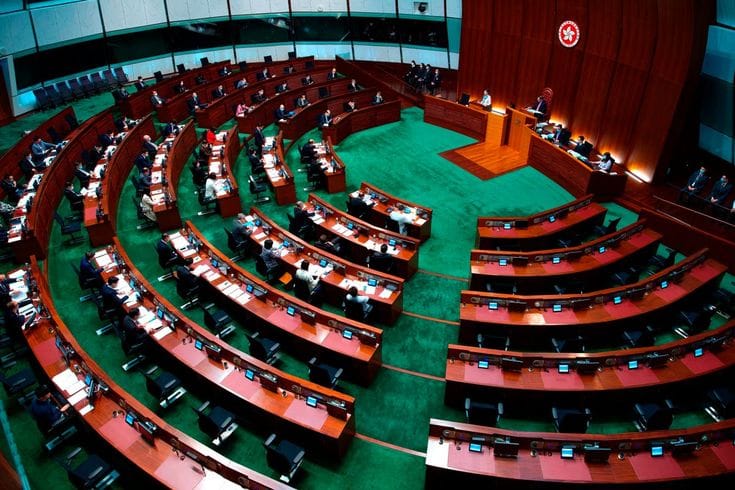
The Hong Kong Legislative Council passed the Affordable Housing Development Ordinance on Friday evening by a vote of 83 to 7, delivering the government's most significant housing policy legislation in two decades and unlocking what Secretary for Housing Winnie Ho estimated would produce 320,000 additional public and subsidised housing units over the next 15 years on previously underdeveloped brownfield sites across the New Territories.
What the Ordinance Does
The ordinance contains four principal operative components. First, it establishes a streamlined land resumption process for brownfield sites in priority development areas designated under the Northern Metropolis Action Agenda, reducing the statutory processing time for compulsory acquisition orders from the current maximum of six years to a target of 18 months through the consolidation of assessment, appeal and compensation procedures into a single integrated process.
Second, the ordinance introduces a new Affordable Housing Development Incentive Scheme allowing private developers who voluntarily designate at least 40 percent of gross floor area in specified new developments as subsidised sale flats sold at 70 percent of market value to receive a floor-area ratio bonus of 30 percent and a 50 percent waiver on land premium payments. Urban planners estimate that this incentive structure, if taken up across 50 percent of eligible development sites, could deliver 85,000 additional subsidised units over the decade without requiring additional public land grants.
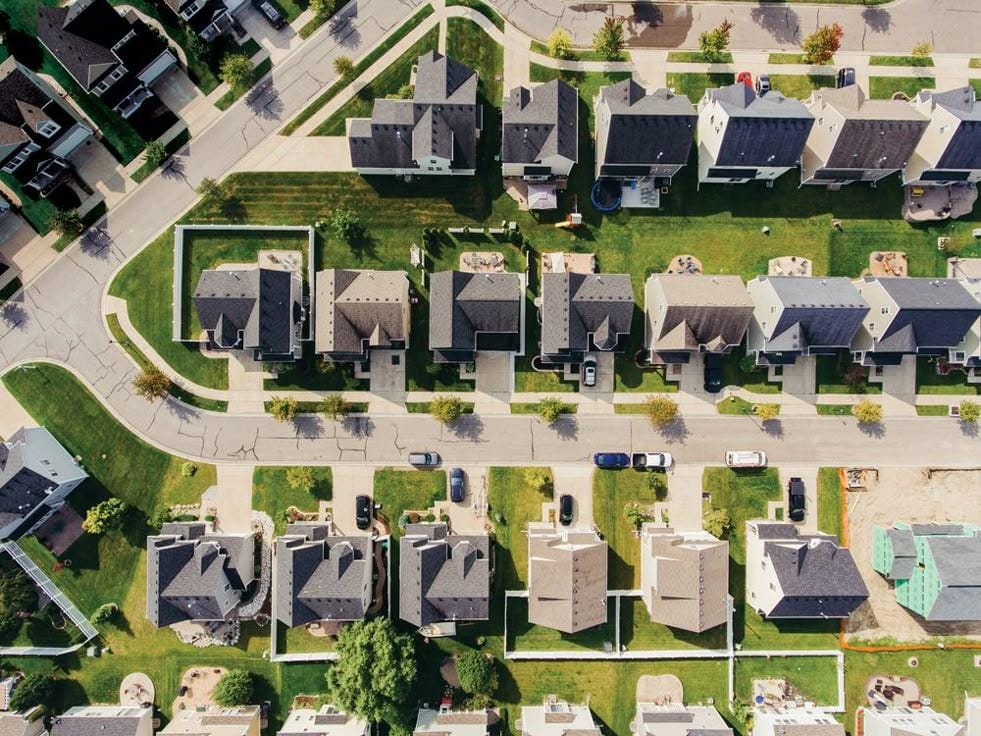
The Affordable Housing Development Ordinance unlocks 1.2M square metres of brownfield land for public housing through a streamlined 18-month land resumption process.
The Political Journey
The legislation's passage followed an unusually rigorous committee scrutiny process that produced 47 amendments to the original Bill, reflecting genuine policy deliberation within the Legislative Council's restructured composition. The most debated provisions concerned the compensation framework for brownfield operators displaced by land resumption, with Legco members from the agriculture and rural interests functional constituency successfully securing enhanced compensation rates and priority rehousing provisions for affected rural households.
The seven votes against the ordinance came from members who argued that the compensation provisions remained insufficient and that the development intensity facilitated by the new floor-area ratio bonuses would exacerbate existing infrastructure pressures in the New Territories without commensurate investment in transport, schools and healthcare facilities. The Housing Bureau responded that infrastructure investment commitments totalling HK$88 billion over the development period had been secured through coordination with the relevant policy bureaux.
Historical Context
Hong Kong's public housing waiting list stood at 226,000 households at the time of the ordinance's passage, with an average wait time of 6.3 years for the standard flat allocation, against the government's longstanding policy target of three years. The shortfall has been attributed to a combination of inadequate development land supply, slow processing of environmental and planning approvals, and the historical concentration of government housing efforts on sites in established urban areas where capacity for expansion is limited.

The housing legislation passed 83-7 in the Legislative Council, marking the government's most significant housing reform in two decades.
Implementation and Timeline
The Housing Bureau has published an implementation roadmap committing to the first compulsory acquisition orders under the new streamlined process by the second quarter of 2027, with the first brownfield sites cleared and shovel-ready for Housing Authority construction by 2029. The bureau has also announced an expansion of the Hong Kong Housing Society's capacity to develop subsidised sale flats, providing a second institutional channel supplementing the Housing Authority's public rental housing programme.
Chief Executive John Lee described the ordinance's passage as "the most important legislative achievement of this term, addressing the housing aspiration that is central to the wellbeing of Hong Kong families across all income levels." He committed that the government would table a progress report to the Legislative Council 18 months after passage, providing verified data on the number of land resumption orders issued, compensation cases resolved, and development approvals granted under the new ordinance's provisions.