


The Home Affairs Bureau published its biennial District Council Civic Engagement Survey on Monday, reporting that the 18 District Councils established under the restructured local governance framework that came into force in January 2024 have achieved an average civic engagement score of 78 percent across eight measured dimensions, a result the government described as demonstrating the effectiveness of the reformed council structure in connecting residents with their local governance processes.
The Restructured Framework
The district governance restructuring implemented in 2023 fundamentally redesigned the composition and functions of Hong Kong's 18 District Councils, shifting their primary role from a predominantly political representative function to a more operational community governance focus. Under the current framework, councils are composed of three categories of members: government-appointed members with specialist expertise in areas such as social welfare, elderly services and environmental management; elected members chosen through a refreshed electoral system; and members selected by advisory bodies including the Rural Committees in New Territories districts.
The restructured councils have been given enhanced responsibilities in advising on district-level infrastructure projects, monitoring service delivery by government departments and public utilities within their districts, promoting community solidarity and social cohesion activities, and administering a substantially expanded district development fund of HK$180 million per district annually.
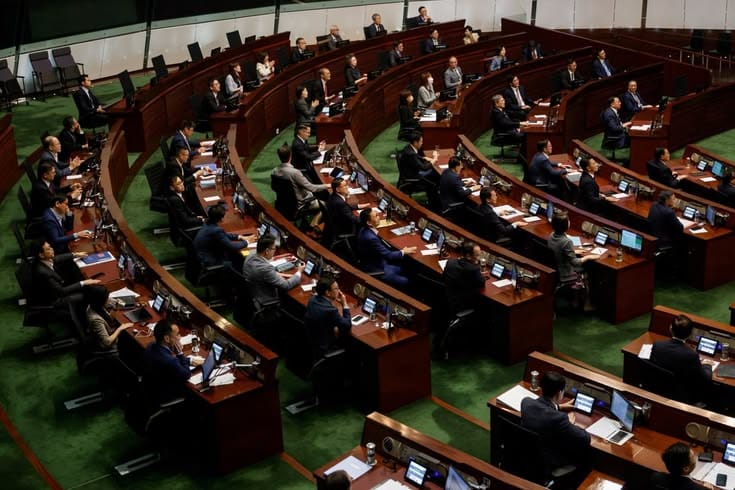
The District Council civic engagement survey recorded 78% average satisfaction, with the community liaison and infrastructure oversight functions receiving the highest scores.
What the Survey Found
The survey, conducted by an independent research firm through telephone, online and face-to-face interviews with 18,000 residents across all 18 districts, found that the highest satisfaction dimensions were the Community Liaison Service function (87 percent satisfaction), under which each District Council member undertakes regular constituency engagement through community forums, home visits and outreach activities; and the Infrastructure Oversight dimension (82 percent satisfaction), reflecting residents' appreciation of councils' more active role in advocating for and monitoring the maintenance of roads, drainage, parks and public facilities.
The lowest scoring dimension was Political Representation (58 percent), reflecting a proportion of the survey sample that expressed a preference for a greater directly-elected component in the council composition. The Home Affairs Bureau noted in its commentary that the survey's aggregate civic engagement measure was the appropriate metric for assessing the reformed councils' performance against their redefined mandate, and that the high scores in community service functions demonstrated that the restructuring had succeeded in its primary objective.
District Fund Deployment
A separate analysis of District Development Fund deployment across the 18 councils found significant variation in the types of projects prioritised by different councils. Urban district councils in Kowloon and on Hong Kong Island concentrated the majority of their funds on elderly care services, community centres and street environment improvements. New Territories councils prioritised rural road improvements, recreational facilities for dispersed communities, and environmental infrastructure including village sewerage systems and green space development.
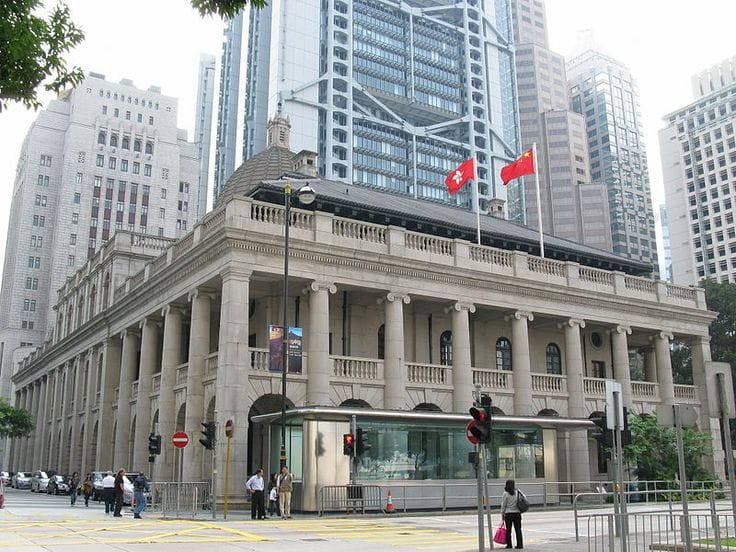
District Development Funds of HK$180M per district annually have been deployed across elderly care, community facilities and infrastructure maintenance priorities.
International Perspectives
Several international academics studying comparative local governance have noted Hong Kong's district governance model with interest, particularly its hybrid composition combining appointed expertise, community representation and electoral accountability. The model has been described by some scholars as a "governance-first" approach to local democracy that prioritises effective service delivery over pure electoral contestation, a contrast with the adversarial dynamics that can characterise more purely electoral local governance systems.
The Home Affairs Bureau has committed to conducting the civic engagement survey on an annual rather than biennial basis from 2027, providing more timely data to guide council performance improvement and departmental resource allocation decisions. A review of the District Council framework's operational parameters is scheduled for 2028, when the first full four-year council term under the new structure will have been completed.