

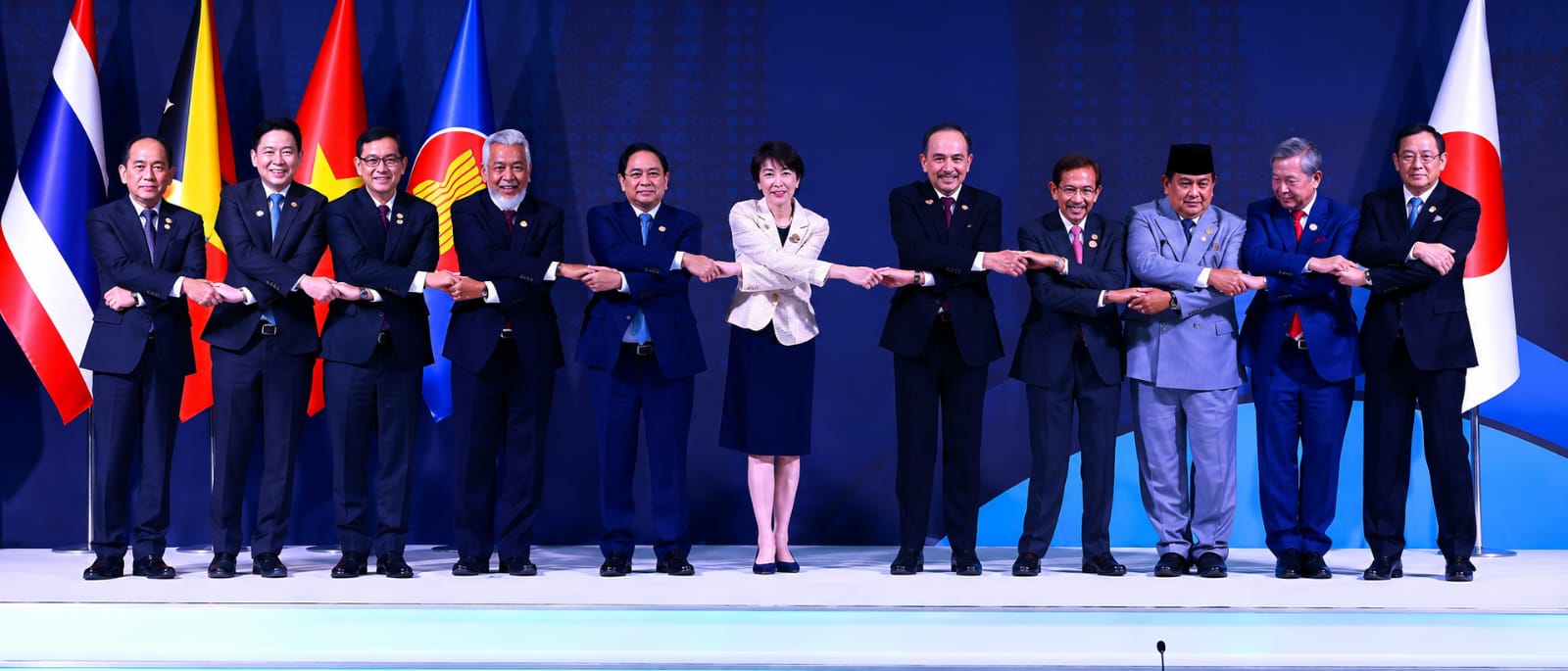
Secretary for Commerce and Economic Development Algernon Yau signed bilateral investment agreements with trade ministers from Vietnam, Thailand, Malaysia, the Philippines, Indonesia and Cambodia in a ceremony at the Hong Kong Convention and Exhibition Centre on Tuesday, expanding Hong Kong's investment treaty network to 23 agreements globally and providing new legal protections for the estimated 2,400 Hong Kong-based companies with investments across the six Southeast Asian countries.
Strategic Importance of the Agreements
The six bilateral investment agreements, all broadly following the template of Hong Kong's existing agreements with Australia, New Zealand and the United Kingdom, provide three core protections for covered investors. First, national and most-favoured-nation treatment obligations require each party to treat investors from the other party no less favourably than their own domestic investors or investors from any third country. Second, fair and equitable treatment standards prohibit arbitrary, unreasonable or discriminatory measures that would impair covered investments. Third, and most practically significant, the agreements provide access to international arbitration under the UNCITRAL rules as a means of resolving investment disputes, removing the dependency on local courts that can in some jurisdictions disadvantage foreign investors.
Hong Kong investors in the six ASEAN markets represent a combined invested capital of approximately HK$880 billion across sectors including manufacturing, logistics, financial services, property development and hospitality. The agreements provide these investments with a strengthened legal framework that reduces sovereign risk and, in doing so, potentially lowers the cost of capital for Hong Kong companies expanding into Southeast Asia.

Hong Kong's bilateral investment agreements with six ASEAN nations provide HK$880B in existing investments with strengthened legal protections and international arbitration access.
Vietnam and the Philippines: Priority Markets
The agreements with Vietnam and the Philippines are viewed by trade analysts as particularly significant given the rapid growth of Hong Kong investment in both countries. Vietnam has attracted over HK$180 billion of Hong Kong investment in manufacturing, logistics and residential property development in recent years, driven by the relocation of supply chains from mainland China and the country's competitive manufacturing cost base. The bilateral investment agreement provides Hong Kong investors with a legal framework equivalent to the protections available to investors from OECD countries with which Vietnam has concluded comparable agreements.
The Philippines agreement facilitates Hong Kong's emerging role as a financial centre for Filipino remittance flows and as a business hub for Philippine companies seeking capital markets access. The Bangko Sentral ng Pilipinas and the HKMA have announced a complementary arrangement facilitating direct peso-to-Hong Kong dollar exchange, reducing transaction costs for the estimated 2.8 million Filipino workers in Hong Kong who remit a significant share of their earnings to family in the Philippines.
ASEAN Trade Office Expansion
In conjunction with the investment agreement signings, the government announced the expansion of Hong Kong's trade representation network in Southeast Asia, with new Trade and Investment Promotion Offices to be opened in Ho Chi Minh City, Manila and Jakarta by the end of the year. These offices, funded through the Trade and Industry Department, will support Hong Kong companies entering or expanding in the respective markets and assist ASEAN companies and investors seeking business connections in Hong Kong and the Greater Bay Area.
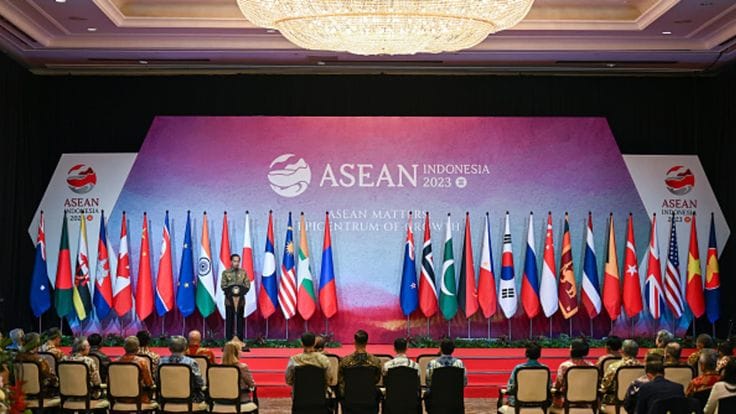
New Hong Kong trade offices in Ho Chi Minh City, Manila and Jakarta will support business connections between Hong Kong and the three major ASEAN markets.
The Broader Treaty Network Strategy
The six new agreements bring Hong Kong's bilateral investment treaty network to 23, a number that Secretary Yau acknowledged falls short of the networks maintained by Singapore (45 agreements) and the United Kingdom (94 agreements) but represents sustained progress in expanding the legal framework supporting Hong Kong's international economic relationships. The government has a pipeline of further agreement negotiations underway with Saudi Arabia, the UAE, Brazil and several Central Asian economies.
Legal scholars at the University of Hong Kong's Faculty of Law have noted that Hong Kong's investment treaty programme serves a dual function: directly protecting Hong Kong investors' interests abroad, and signalling Hong Kong's credibility as a rule-of-law jurisdiction committed to the international legal framework governing investment flows. In the current environment of heightened geopolitical risk and investment uncertainty, this signalling function may be as commercially valuable as the direct protection the treaties provide.