

Japan’s growing military capabilities and renewed debate over nuclear weapons have triggered a sharp warning from China at the United Nations. Beijing has accused Tokyo of moving away from its postwar commitments, raising concerns about nuclear proliferation and threatening stability across East Asia.
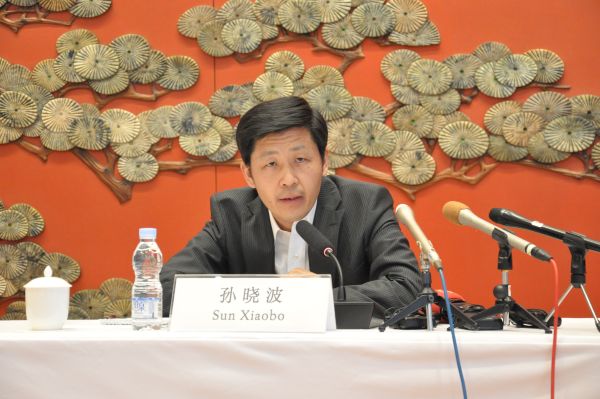
Speaking to the UN General Assembly’s First Committee on Thursday, October 8, Chinese diplomat Sun Xiaobo described Japan as an increasingly prominent threat to regional peace and stability. He accused the Japanese government of accelerating remilitarization, questioning its commitment to non nuclear principles and challenging the international order established after World War II.
Sun heads China’s delegation to the 81st session of the First Committee and serves as director general of the Arms Control Department at China’s Foreign Ministry. His remarks brought renewed attention to the difficult relationship between China and Japan, where disputes over military expansion, nuclear policy and wartime history continue to influence diplomatic relations.
The warning comes as countries across East Asia face growing security concerns. While Japan presents its defence preparations as a response to regional threats, China views the expansion of Japanese military capabilities with suspicion. The disagreement raises an important question: could changes in Japan’s security policy deepen tensions between two of Asia’s major powers?
China Accuses Japan of Ignoring Its Wartime History
Sun began his criticism by referring to the 80th anniversary of the opening of the Tokyo Trial, the international military tribunal established after World War II to prosecute senior Japanese wartime leaders.
He argued that Japan’s admission to the United Nations came with an expectation that the country would recognise the crimes committed under Japanese militarism and accept the UN Charter in its entirety.
According to Sun, Japan’s current government has failed to honour that responsibility. He accused Japanese officials of denying the country’s history of aggression, glorifying wartime crimes and paying tribute to individuals convicted for their roles in World War II.
These allegations reflect a longstanding source of friction between Beijing and Tokyo. Japan’s invasion and occupation of parts of China, along with atrocities committed during the war, remain deeply sensitive subjects in Chinese public memory. Disagreements over historical responsibility have repeatedly complicated diplomatic efforts between the two countries.
The Tokyo Trial, formally known as the International Military Tribunal for the Far East, began in 1946. It prosecuted leading figures associated with Japan’s wartime government and military, helping establish the legal and political framework for addressing responsibility after the war.
For China, the legacy of Japanese militarism remains closely connected to present day security concerns. Sun argued that Japan cannot separate its current military policies from the historical responsibilities it accepted after the conflict.
However, his speech represented Beijing’s official position. The supplied statement did not include a response from the Japanese government to his latest allegations.
Japan’s Military Expansion Raises Regional Security Concerns
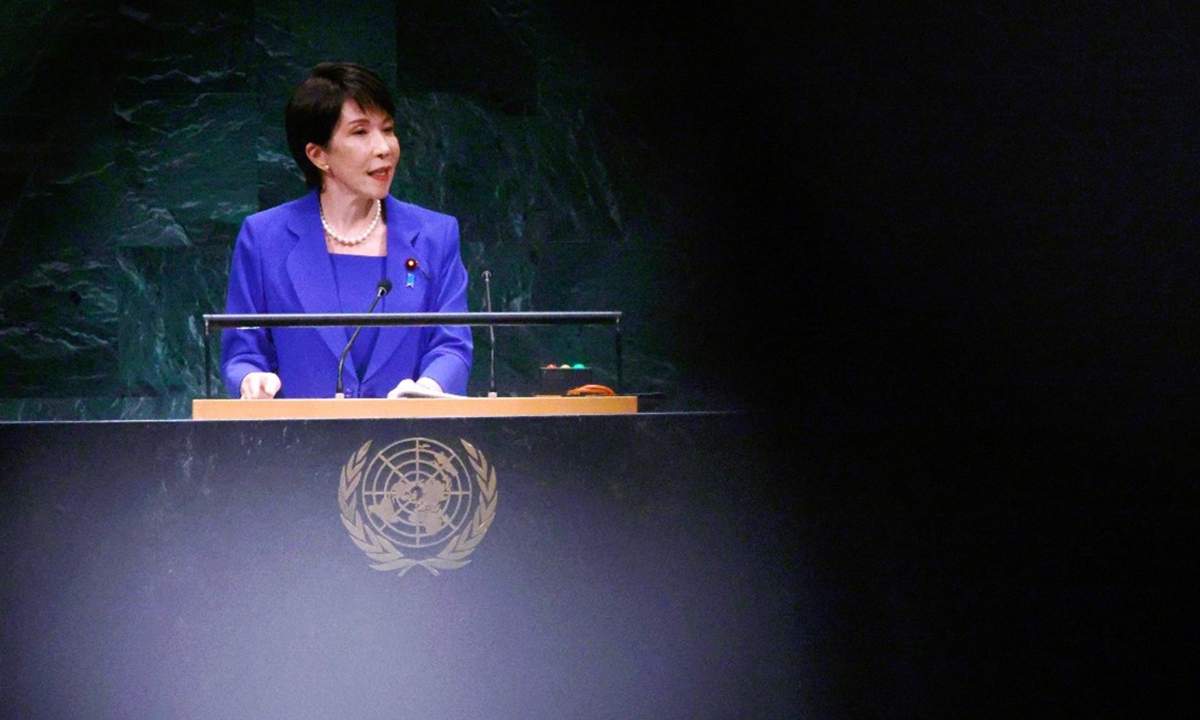
Sun’s strongest criticism focused on Japan’s expanding military capabilities. He accused Tokyo of accelerating remilitarization and attempting to move away from restrictions that have shaped its security policy since World War II.
Japan’s postwar Constitution, particularly Article 9, renounces war as a sovereign right and the threat or use of force to settle international disputes. Successive Japanese governments have interpreted the Constitution as permitting the country to maintain defence forces and exercise certain forms of self defence.
Japan has also taken steps to strengthen its defence capabilities in response to a changing security environment. Its military policy has become a subject of wider regional debate as governments assess developments involving China, North Korea and the broader Indo Pacific region.
Tokyo argues that its defence preparations are intended to protect the country and respond to security risks. Beijing, by contrast, has repeatedly expressed concern that Japan’s changing military posture could weaken regional stability.
That disagreement lies at the heart of Sun’s warning. He argued that Japan’s military build up should concern the international community, particularly if it signals a departure from the restraint associated with the postwar settlement.
The competing interpretations create a difficult security problem. A government may view stronger military capabilities as necessary protection, while a neighbouring country may interpret the same measures as a potential threat. If neither side trusts the other’s intentions, even defensive decisions can increase suspicion.
For East Asia, where several countries have unresolved territorial and security disputes, such mistrust can complicate diplomatic efforts and increase the risk of miscalculation.
China Raises Alarm Over Japan’s Nuclear Weapons Debate
The most sensitive part of Sun’s address concerned Japan’s Three Non Nuclear Principles, which state that the country will not possess, produce or permit the introduction of nuclear weapons into its territory.
Japan adopted the principles in 1967. It is also a non nuclear weapon state under the Treaty on the Non Proliferation of Nuclear Weapons, commonly known as the NPT.
Sun accused senior Japanese officials of making reckless remarks about discussing nuclear weapons possession without restrictions. He described such comments as a serious challenge to the international nuclear non proliferation system.
His warning reflects Beijing’s concern that Japan could reconsider its long established approach to nuclear weapons. However, a debate about a possible policy change is not the same as an official decision to develop or acquire nuclear arms. The statement supplied for this article does not establish that Japan has adopted such a decision.
Any move towards acquiring nuclear weapons would raise serious legal and diplomatic questions, including Japan’s obligations under the NPT. It could also prompt strong reactions from neighbouring countries and create additional uncertainty about the future of arms control in East Asia.
Japan’s nuclear policy carries particular historical significance. The country experienced the atomic bombings of Hiroshima and Nagasaki in August 1945, and opposition to nuclear weapons has played an important role in its postwar public debate.
At the same time, Japan operates under a security arrangement involving the United States, whose extended nuclear deterrence forms part of its defence framework. This means that discussions about nuclear weapons cannot be separated from Japan’s alliance commitments and the wider regional security environment.
For China, any suggestion that Japan might abandon its non nuclear position raises concerns about the future balance of power in the region. Sun urged Tokyo to honour its existing commitments rather than weaken international efforts to prevent the spread of nuclear weapons.
Dispute Over the UN Charter’s Enemy State Clauses
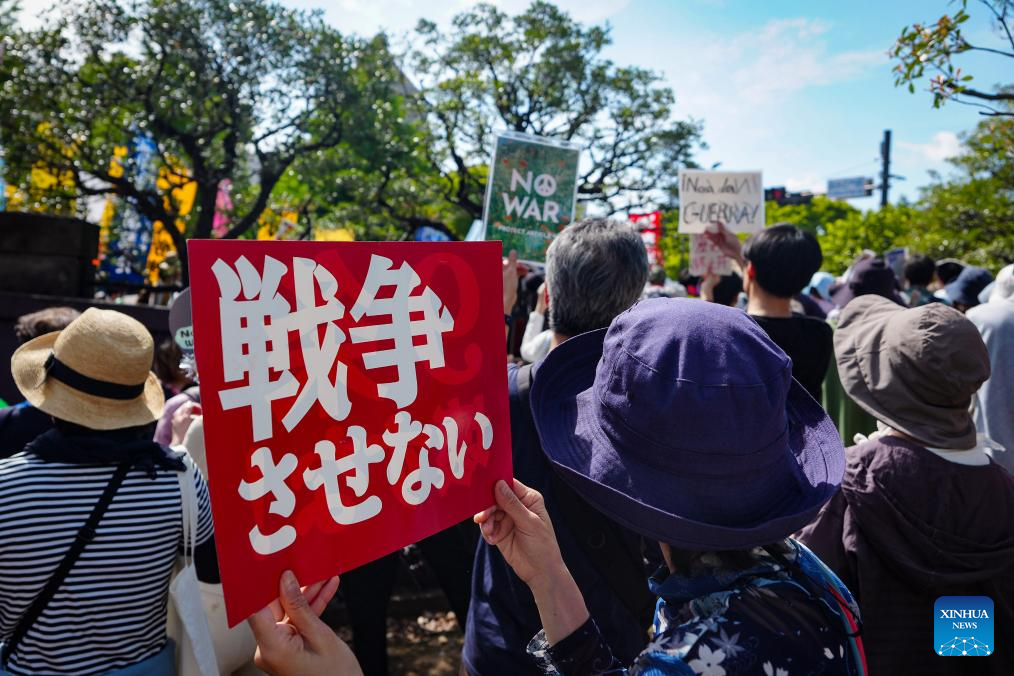
Sun also criticised Japan’s proposal to remove the so called enemy state clauses from the UN Charter. He described the initiative as another attempt to challenge the postwar international order while seeking recognition as a normal country.
The clauses refer to provisions concerning states that fought against the signatories during World War II. Their continued presence in the Charter has long been debated, with critics arguing that they reflect circumstances that no longer correspond to modern international relations.
Japan has supported removing the provisions, arguing that they have become obsolete. The UN General Assembly recognised the clauses as obsolete in Resolution 50/52, adopted in 1995, although the provisions remain in the Charter.
The disagreement reflects a broader difference between Beijing and Tokyo over how the postwar settlement should shape Japan’s international position.
China argues that changes to Japan’s military status and efforts to remove historical restrictions must be viewed alongside its wartime legacy. Japan, meanwhile, maintains that its current defence policy is intended to protect national security and that outdated provisions should not determine its status in the international community.
The issue is therefore about more than the wording of a founding UN document. It also concerns how the two countries interpret the lessons of World War II and the responsibilities they believe should guide security policy today.
What China’s Warning Means for East Asia
Sun called on the international community to oppose actions that, in China’s assessment, support Japanese remilitarization. He urged Japan to reflect on its history of aggression, abandon its remilitarization plans and fulfil its international non proliferation obligations.
His comments place renewed pressure on an already difficult bilateral relationship. China and Japan maintain important economic ties, but their security disagreements and historical disputes continue to complicate relations.
The exchange at the UN also highlights the challenges facing international arms control. Nuclear non proliferation depends not only on treaties but also on governments maintaining confidence in one another’s commitments. Public discussions about changing established policies can affect regional calculations even before a government announces a formal decision.
For Japan, the challenge is to address its security concerns while maintaining confidence among its neighbours. For China, the immediate priority expressed by Sun is to prevent what it considers a dangerous shift in Japan’s military and nuclear policies.
Both governments face pressure to protect their national interests without allowing diplomatic disagreements to intensify regional instability. Clear communication, respect for international obligations and sustained diplomatic engagement could help reduce the risk of miscalculation.
Sun’s address ended with a direct appeal to the international community: Japan should confront its wartime history, reject militarism and maintain its non proliferation commitments.
Will Japan maintain its Three Non Nuclear Principles as regional security tensions grow, or will the debate over its future defence policy deepen divisions with China?