

China has urged Japan to maintain its Three Non Nuclear Principles and meet its obligations under the Treaty on the Non Proliferation of Nuclear Weapons after Japan’s defence minister said discussions about possessing nuclear weapons and nuclear submarines should take place without taboo.
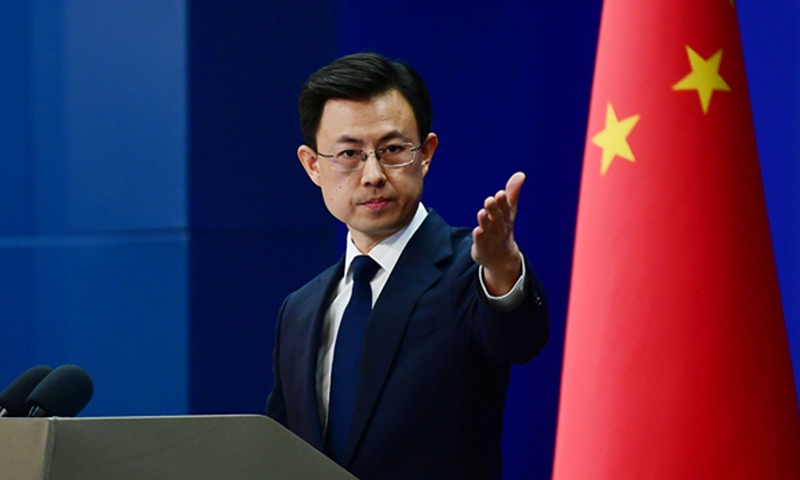
Chinese Foreign Ministry spokesperson Guo Jiakun made the remarks at a press conference on September 30, responding to comments by Japanese Defence Minister Shinjiro Koizumi. According to China’s Foreign Ministry, Koizumi had said that discussions on whether Japan should possess nuclear weapons and nuclear submarines should not be ruled out while the country reviews its three security documents.
Guo argued that Japan cannot simply treat nuclear weapons possession as an issue that may be opened or closed for discussion. He pointed to Japan’s status as a non nuclear weapon state under the NPT and said the country has obligations under international law not to receive, manufacture, acquire or transfer nuclear weapons.
Beijing Points to Japan’s Nuclear Commitments
China’s response focused heavily on Japan’s longstanding Three Non Nuclear Principles, which state that Japan will not possess nuclear weapons, will not produce them and will not permit their introduction into the country.
Guo said Prime Minister Sanae Takaichi reiterated Japan’s commitment to those principles in February. He also said Japanese representatives reaffirmed during the NPT Review Conference in May that the principles would not be changed.
That position has become a point of contention as Japanese officials debate the country’s future security policy.
Japan does not possess nuclear weapons and remains a party to the NPT as a non nuclear weapon state. The treaty requires non nuclear weapon states to accept safeguards and prohibits them from receiving, manufacturing or otherwise acquiring nuclear weapons.
China has increasingly focused on Japan’s nuclear policy during 2026. In April, Beijing circulated a working paper on the issue of Japanese nuclear armament, calling on NPT states to pay close attention to statements and policy developments in Japan. The document also urged Tokyo to reaffirm its NPT obligations and its Three Non Nuclear Principles.
Defence Minister’s Remarks Draw Strong Response
Guo described Koizumi’s comments about discussing nuclear weapons without taboo as a serious challenge to Japan’s stated position.
The Chinese spokesperson said the remarks were inconsistent with the Three Non Nuclear Principles and represented what Beijing sees as a broader attempt by some Japanese political forces to reconsider restrictions that have shaped Japan’s security policy since the Second World War.
China has also criticised Japan’s growing reliance on what it calls extended deterrence. In security terms, extended deterrence refers to protection provided by an ally’s military capabilities, including nuclear capabilities. Japan has relied on its alliance with the United States for security guarantees while maintaining its own non nuclear weapons policy.
Beijing argues that strengthening such arrangements could eventually create pressure for nuclear weapons to be deployed on Japanese territory.
The Chinese Foreign Ministry has previously linked Japan’s discussions about nuclear weapons with wider debates over nuclear sharing, nuclear powered submarines and changes to the country’s defence posture.
Japan’s position on these issues is tied to a broader review of its security policy as the government considers how the country should respond to changing regional security conditions.
Nuclear Weapons and Nuclear Submarines Are Separate Issues
The debate also involves two different subjects that are sometimes discussed together.
The first concerns nuclear weapons. Japan’s Three Non Nuclear Principles address the possession, production and introduction of nuclear weapons.
The second concerns nuclear powered submarines. A submarine powered by a nuclear reactor is not automatically a nuclear armed vessel. Nuclear propulsion and nuclear weapons are technically and legally distinct matters.
China nevertheless objects to Japan discussing the development or acquisition of nuclear powered submarines as part of its changing defence posture. Beijing has repeatedly argued that nuclear submarine cooperation can create additional challenges for the international non proliferation system.
China raised similar concerns earlier this year when discussing nuclear submarine cooperation involving other countries. Its Foreign Ministry has said that safeguards and non proliferation obligations must be properly addressed when countries pursue nuclear powered submarine programmes.
For Japan, the issue has gained importance as officials consider how to strengthen maritime capabilities and respond to security concerns in the region.
Beijing Accuses Japan of Remilitarisation
Guo also expanded his criticism beyond nuclear policy, accusing Japan of accelerating what Beijing describes as remilitarisation.
He said China believes Japan has been attempting to alter the Three Non Nuclear Principles while strengthening its extended deterrence arrangements, considering the deployment of nuclear weapons in Japan and gradually relaxing nuclear restrictions. These are Chinese government assessments and have not been presented as established facts independent of Beijing’s position.
Japan, meanwhile, has been reassessing its defence policy amid concerns over regional security. Its security debate includes military spending, missile capabilities, maritime defence and the role of its alliance with the United States.
The disagreements between Beijing and Tokyo therefore extend well beyond the question of nuclear weapons. They reflect competing views of Japan’s appropriate military role and the security arrangements that should govern East Asia.
China has consistently argued that Japan should maintain the restrictions associated with its postwar security framework. Japanese policymakers have increasingly discussed how those restrictions should be interpreted in light of current security concerns.
Tokyo’s Past Shapes the Nuclear Debate
China’s objections are also closely tied to Japan’s wartime history.
Guo noted that 2026 marks 80 years since the opening of the Tokyo Trials, the international military tribunal that prosecuted senior Japanese leaders after the Second World War.
He argued that the historical record of Japanese militarism should remain part of discussions about Japan’s current security policy. According to Guo, the international community should remember the suffering caused by Japan’s wartime expansion and press Tokyo to preserve the principles established after the war.
China has repeatedly used this historical argument when responding to changes in Japan’s defence policy.
In September, Guo also said that the postwar international order was linked to agreements and instruments including the Cairo Declaration, the Potsdam Proclamation and Japan’s Instrument of Surrender. Beijing says these arrangements established obligations intended to prevent a return to Japanese militarism.
Japan’s relationship with its wartime past remains a sensitive issue throughout East Asia, particularly in relations between Japan, China and South Korea.
NPT Obligations Remain at the Centre
At the centre of the latest dispute is the NPT, which remains the principal international treaty governing the spread of nuclear weapons.
The treaty divides states into nuclear weapon states and non nuclear weapon states based on whether they had manufactured and exploded a nuclear weapon before January 1, 1967. Japan belongs to the latter group.
China says Japan’s status creates clear legal obligations and that Tokyo should maintain its existing nuclear restrictions.
Beijing has also urged the International Atomic Energy Agency to take countries’ nuclear statements and actions into account when carrying out safeguards. In its April working paper, China called for stronger verification measures concerning Japan and asked other NPT members to consider the implications of Japanese nuclear policy discussions.
The Japanese government’s response to the latest Chinese criticism will be closely watched as its security documents are reviewed.
For now, Japan continues to officially maintain its Three Non Nuclear Principles, while senior officials have opened discussion about whether long standing assumptions surrounding national defence should remain unchanged.
The dispute puts Japan’s stated non nuclear commitments, its alliance with the United States and its evolving defence policy at the centre of a wider debate over security in East Asia.
Should Japan maintain its Three Non Nuclear Principles unchanged as it reassesses its security policy?