

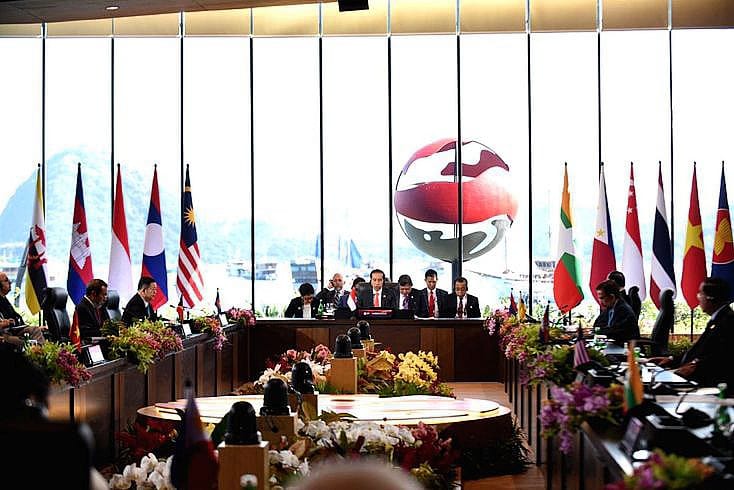
The 14th Asia Governance Forum concluded its two-day proceedings at the Hong Kong Convention and Exhibition Centre on Saturday, bringing together heads of government, senior ministers and distinguished policy experts from 34 countries in what the forum's secretariat described as the most attended and substantively productive edition in the forum's 22-year history. Chief Executive John Lee delivered the opening address, describing Hong Kong as "a city uniquely positioned to host this dialogue, sitting at the intersection of East and West, of tradition and transformation, of sovereignty and openness."
Security Architecture Discussions
The first thematic session addressed the rapidly evolving regional security architecture following the establishment of new security partnerships and the realignment of traditional alliances across the Indo-Pacific. Discussions were characterised by a frank acknowledgement that the region's security landscape is more complex and contested than at any point since the Cold War, with multiple overlapping and occasionally contradictory security arrangements creating both deterrence and escalation risk.
Forum sessions consistently returned to the imperative of dialogue channels that can function even in periods of political tension. The proliferation of informal multilateral forums, track-two dialogues and technical working groups alongside more formal institutional arrangements was cited by multiple speakers as providing a cushion of communication capacity that has helped manage recent regional incidents without escalation to conflict.
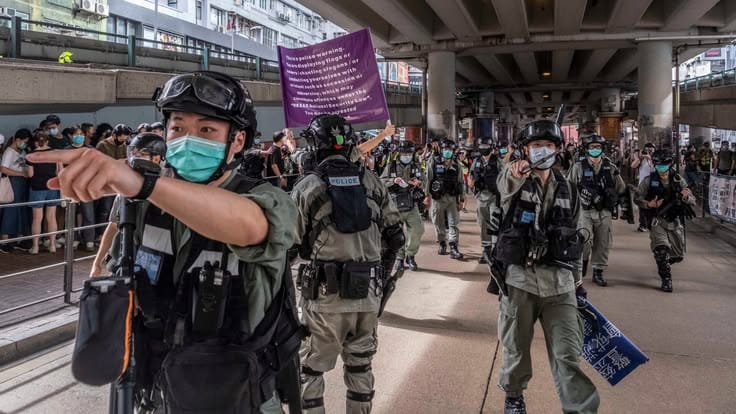
The 14th Asia Governance Forum brought together senior leaders from 34 countries to discuss security, trade and AI governance across two days of substantive sessions.
Economic Cooperation and Trade Fragmentation
The forum's economic session engaged directly with the risk of trade fragmentation, as the WTO's multilateral framework shows signs of stress and regional trade arrangements multiply without a coherent overarching structure. Finance ministers from several economies expressed concern that the acceleration of export controls, investment restrictions, and technology access limitations in sensitive sectors risks damaging the global trading system that has underpinned Asia's extraordinary development over the past four decades.
A notable contribution came from Singapore Prime Minister Lawrence Wong, who proposed a "minimum fragmentation floor" concept: an agreement among forum participants to maintain open trade in essential goods, including food, medicine and energy, even in scenarios of broader economic conflict, drawing on the precedent of humanitarian law protections in military conflict. The concept attracted significant discussion and the forum agreed to commission a technical working paper examining its legal and operational feasibility.
AI Governance: A New Forum Priority
For the first time in the forum's history, artificial intelligence governance was designated a primary thematic priority rather than a technology subsection within the economic agenda. A session on AI governance attracted the highest attendance of any forum session, reflecting the degree to which AI policy has risen to the top of government agendas across the region in the past two years.
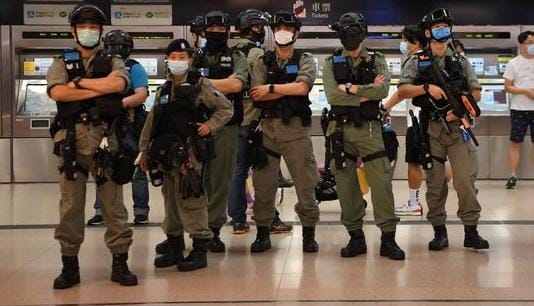
The forum's AI governance session attracted the highest attendance in forum history as governments across Asia prioritise artificial intelligence regulation.
Hong Kong as a Forum Hub
The decision to locate the Asia Governance Forum secretariat permanently in Hong Kong, confirmed at this edition with a five-year hosting agreement between the forum board and the Hong Kong government, cements the city's role as a venue for high-level international policy dialogue. The government provides operational funding of HK$120 million annually for the secretariat, supplemented by corporate and institutional membership fees and event sponsorship.
Chief Executive Lee expressed confidence that Hong Kong's role as an international dialogue platform would grow rather than diminish in the coming years. "The world needs more spaces where governments of diverse political systems and strategic orientations can engage substantively on the challenges they share," he said. "Hong Kong, by its nature and its position, is one of the very few places in the world that can credibly serve as that space."