

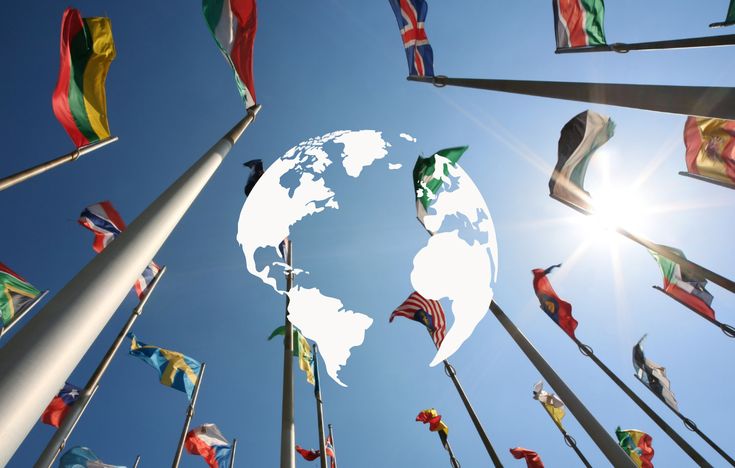
Culture ministers, UNESCO officials, heritage architects and conservation specialists from 48 countries convened in Macau on Monday for the opening of the inaugural Global Forum on Cultural Heritage Preservation in Cities, a four-day summit that places the SAR at the centre of international dialogue on one of urban planning's most complex challenges. Macau, which has maintained its historic core as a UNESCO World Heritage Site since 2005, was chosen as host in recognition of its demonstrated success in balancing heritage preservation with rapid economic development.
Macau as a Model
UNESCO Director-General Audrey Azoulay, addressing the opening plenary, described Macau as "one of the world's most instructive laboratories for urban heritage preservation," noting that the SAR has maintained the integrity of its 22 historic monuments and 8 historic squares while accommodating an economy that generates more GDP per square metre than almost any other jurisdiction on earth. The contrast between the colonial-era Portuguese churches and fortifications of the Macau Peninsula and the gleaming integrated resorts of Cotai, just three kilometres away, encapsulates the tension that heritage-rich cities worldwide must navigate.
The SAR's Cultural Affairs Bureau has developed a heritage impact assessment methodology, applied to all development proposals within a 200-metre buffer zone of listed heritage sites, that has become a reference model for urban planning authorities in Vietnam, Cambodia and Sri Lanka. The bureau's director, Deland Lou, will deliver the summit's keynote address on Tuesday, presenting the methodology and its outcomes over a 15-year implementation period.
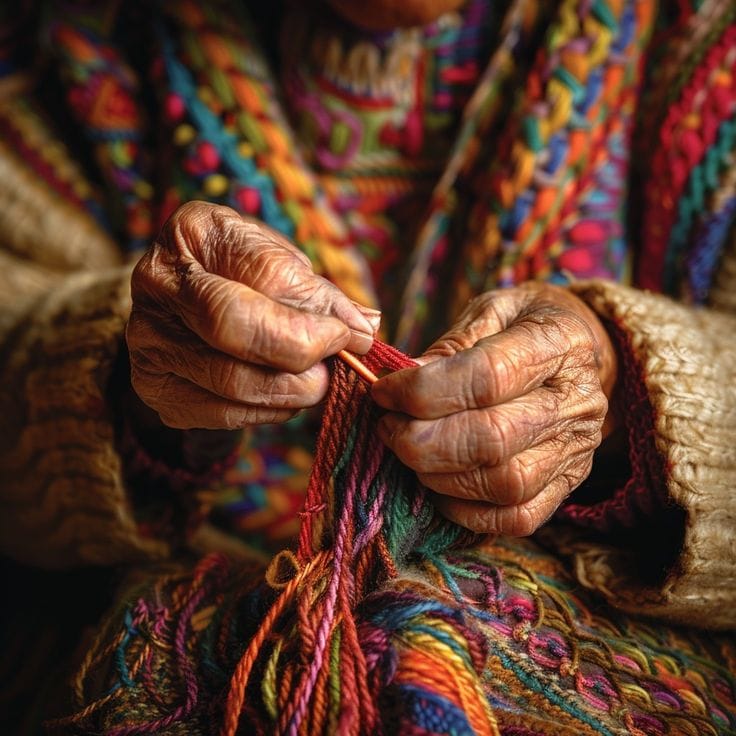
Macau's historic Sino-Portuguese architecture has been maintained as a UNESCO World Heritage Site while accommodating one of the world's densest economies.
Global Heritage Challenges
The summit agenda addresses the full spectrum of threats facing historic urban environments. Climate change is identified as the most pressing emerging challenge, with rising sea levels, increased typhoon intensity and extreme heat events documented as accelerating the deterioration of stone, timber and tile building materials in heritage cities across tropical and subtropical Asia. A working group on climate-resilient heritage conservation will present its initial framework on Wednesday.
The tension between tourism-driven economic pressure and conservation integrity is a recurring theme. Over-tourism, manifested as physical wear to irreplaceable surfaces, noise and congestion in historic districts, and the displacement of authentic local communities by short-term rental accommodation, is causing documented deterioration at World Heritage Sites from Dubrovnik to Angkor Wat. Macau's experience managing 30 million annual visitors through its heritage precinct while maintaining conservation standards will be a central case study.
Technical Innovation in Conservation
A dedicated technology stream at the summit will showcase cutting-edge conservation tools, including photogrammetric digital twin documentation of heritage structures, AI-powered deterioration monitoring using multispectral imaging, and the application of 3D printing technology to produce replacement components for historic structures that replicate original materials and patina with a precision previously achievable only by master craftspeople.
The summit showcases AI-powered monitoring, digital twin documentation and 3D-printed restoration components as tools for next-generation heritage conservation.
The Macau Declaration
Summit organisers have drafted the Macau Declaration on Urban Cultural Heritage, a non-binding but politically significant statement of principles that participating nations will be invited to endorse on the final day of the forum. The declaration calls for the incorporation of heritage impact assessment into all urban planning legislation, the establishment of dedicated heritage conservation funds by all states party to the World Heritage Convention, and the adoption of community participation requirements in heritage management planning.
The declaration also calls on international financial institutions, including the World Bank and Asian Development Bank, to develop concessional financing products specifically designed to fund heritage conservation projects in developing countries, recognising that preservation obligations can represent a significant fiscal burden for smaller or lower-income nations that are custodians of globally significant World Heritage properties.
Legacy Commitments
As a legacy of the summit, Macau has pledged to establish a permanent International Heritage Preservation Training Centre, offering two-week intensive conservation programmes to practitioners from developing countries twice annually, sponsored by the Cultural Affairs Bureau and the Heritage Conservation Institute. A digital heritage documentation platform, hosting high-resolution records of Macau's heritage structures, will be made freely accessible to researchers and conservation practitioners globally via an open-access portal launching in September.