

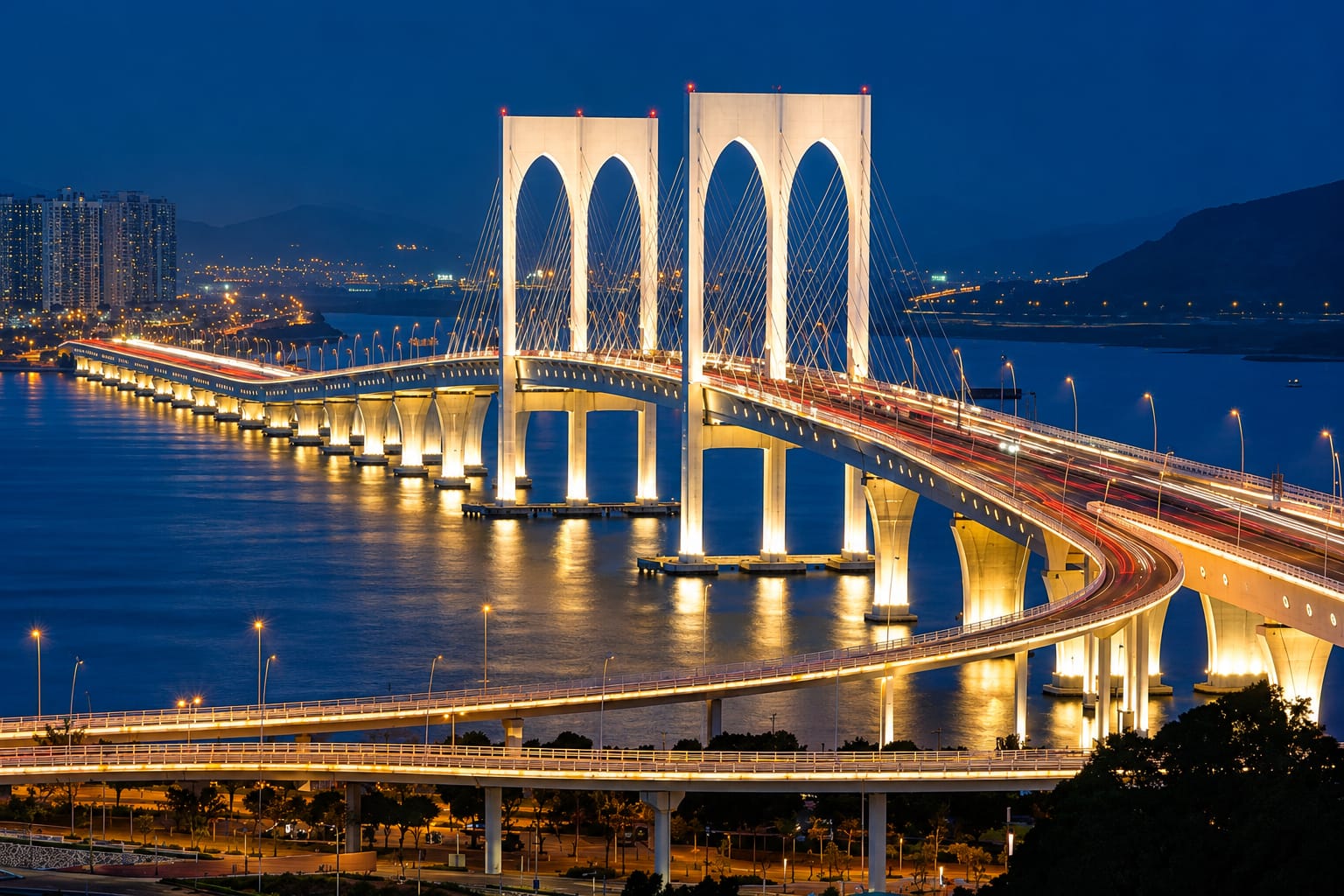
Macau celebrated the 26th anniversary of its return to Chinese sovereignty from Portugal on December 20, 1999, with a morning flag-raising ceremony at the Golden Lotus Square attended by senior officials, and a series of major policy and infrastructure announcements that Chief Executive Sam Hou Fai described as "a tangible expression of Macau's confidence in its future under the One Country, Two Systems framework."
The Cross-Border Bridge Announcement
The centrepiece announcement was the approval by the State Council of plans for the Macau-Zhuhai Eastern Bridge, a new 4.2-kilometre vehicular crossing that will provide a second direct road link between Macau's Cotai district and Hengqin Island, supplementing the existing Lotus Bridge border crossing and significantly easing the congestion that currently creates queues of up to two hours during peak periods.
The bridge, budgeted at 12.8 billion patacas with costs shared equally between the Macau SAR government and the Guangdong provincial government, will accommodate both private vehicles and high-capacity shuttle buses in each direction, with a dedicated lane for emergency vehicles and freight. Construction is expected to begin in the fourth quarter of 2027 and complete in 2031. A parallel pedestrian and cycling path will connect to the existing network of active transport routes on Hengqin Island.
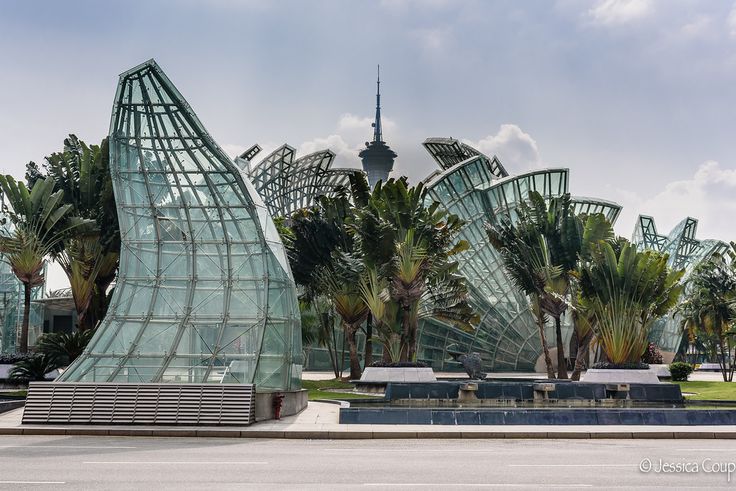
The new 4.2-kilometre Macau-Zhuhai Eastern Bridge will provide Cotai with a direct second crossing to Hengqin Island, relieving severe congestion at Lotus Bridge.
University District Expansion
The government also confirmed the approval of the University of Macau's Phase 3 campus expansion on Hengqin Island, which will more than double the university's research space and add 4,000 student residential places to the Hengqin campus that was first opened in 2014. The expansion, to be jointly funded by the Macau SAR government and central government allocation, will focus on research facilities in the priority fields of smart manufacturing, biomedical innovation, and financial technology.
President Yonghua Song of the University of Macau described the expansion as "a transformative investment in Macau's human capital that will serve the region's development needs for the next 30 years." The expanded campus will accommodate a new School of Engineering and Technology, designed to produce graduates for the Greater Bay Area's rapidly growing advanced manufacturing sector.
Enhanced Social Welfare Package
Chief Executive Sam announced an enhanced social welfare package effective from January 1, 2027. The Macau wealth partaking scheme annual bonus will be increased to 12,000 patacas per eligible permanent resident, from the current 10,000 patacas, the largest single-year increase in the scheme's history. Healthcare subsidies for residents aged 65 and above will be expanded to cover dental services for the first time, addressing a long-standing gap in provision for elderly residents.
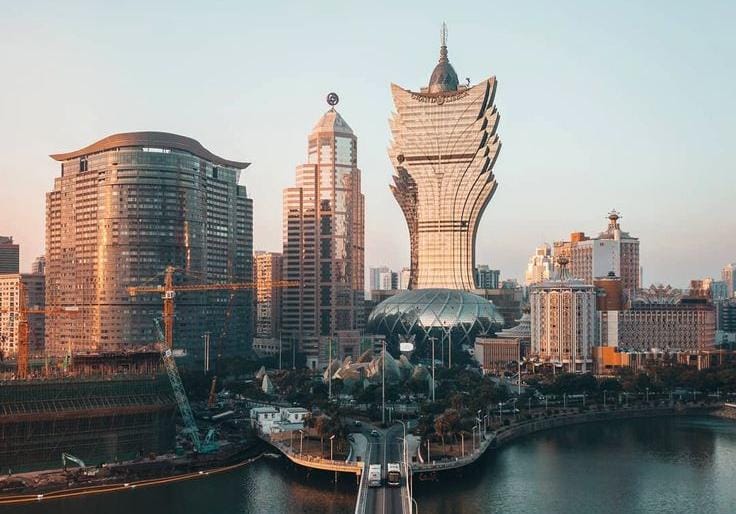
The anniversary announcements include the largest single-year increase in Macau's wealth partaking scheme, raising the resident bonus to 12,000 patacas.
Reflection on 26 Years of Development
In his anniversary address, Chief Executive Sam reflected on Macau's transformation since 1999. Per capita GDP has grown from approximately 15,000 US dollars at the time of handover to over 80,000 US dollars today, making Macau one of the wealthiest jurisdictions per capita in the world. Average life expectancy has risen to 84 years, among the highest globally, and the education attainment rate for residents aged 25 to 45 with tertiary qualifications has increased from 28 percent in 1999 to 61 percent today.
Beijing's representative in Macau, Director of the Liaison Office Zheng Xinlian, affirmed the central government's commitment to the One Country, Two Systems framework for the remaining 23 years until the constitutionally specified review date in 2049, describing Macau as "a shining example of the wisdom of this historic arrangement and proof that socialist China and the unique capitalist system of Macau can thrive together."
Looking to the Future
The anniversary fell under the shadow of global economic uncertainty, with slower growth projected across major economies in 2027. Chief Executive Sam acknowledged the external environment but expressed confidence that Macau's diversified development strategy, deepening integration with the Greater Bay Area, and strong fiscal reserves, equivalent to approximately 8 years of government expenditure, position the SAR to navigate headwinds from a position of strength. Construction of the Macau-Guangzhou High-Speed Rail link, approved in principle in 2025, remains on track for a 2030 operational target.