
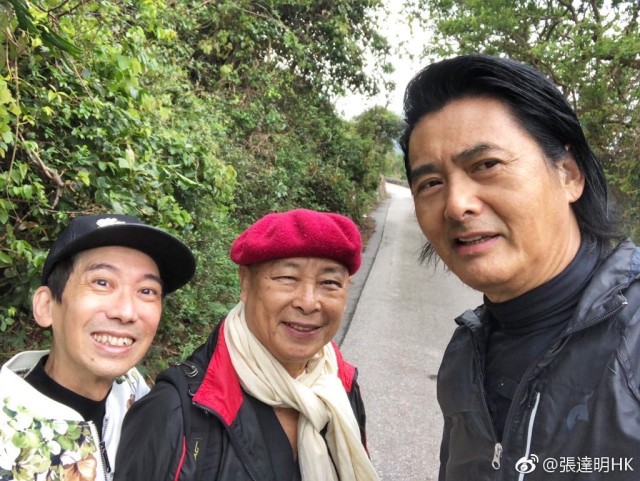
Lau Siu Ming, one of the most recognisable veterans of Hong Kong’s entertainment industry, died on Wednesday at the age of 94, closing a career that stretched from the city’s early modern dance movement to some of its best known films.
Fellow veteran actor Ding Yue confirmed Lau’s death, saying he died at 6pm. Lau had experienced several health problems in recent years and had been using a wheelchair. Despite his deteriorating condition, he continued to make occasional public appearances and remained closely connected to fellow performers and younger actors he had mentored throughout his career.
Known affectionately across the industry as “Ming Sir”, Lau had spoken openly about the difficulties caused by his declining health. He once explained that even speaking had become physically demanding and that he was living with several illnesses.
“I need to catch my breath even when speaking,” he said, describing the toll that his health problems had taken on him. He added that listing only some of his illnesses could take considerable time.
A Career That Began With Dance
Born in 1931, Lau first established himself not as an actor but as a dancer, choreographer and teacher. His work helped shape Hong Kong’s emerging dance scene at a time when professional opportunities for Chinese dancers were limited and international training was difficult to obtain.
In the early 1960s, Lau received a scholarship to study at the Rosella Hightower School of Dance in Cannes, France. The opportunity took him far beyond Hong Kong and gave him exposure to European dance training at a time when the city’s performing arts community was still developing.
Lau later became the first Chinese choreographer to work with a French dance company, an achievement that marked an important stage in his career and reflected the international direction of his ambitions.
He returned to Hong Kong in 1967 and devoted himself to dance education and choreography. For more than a decade, he worked behind the scenes, helping performers develop their technique while contributing to the growth of dance as a professional art form in the city.
His transition to acting came in 1979, when he made his film debut in director Tsui Hark’s “The Butterfly Murders”. The move opened another chapter in a career that would eventually make him familiar to generations of Hong Kong cinema audiences.
From Choreography to the Big Screen
Lau went on to appear in numerous films, building a reputation for his ability to bring authority and individuality to his roles. Among his better known credits were the “A Chinese Ghost Story” films, “Swordsman” and “Front Page”.
His experience as a dancer and choreographer gave him a distinctive understanding of movement and performance. But colleagues remembered him for more than his work in front of the camera. Lau became an influential mentor to younger performers, many of whom continued to visit him long after establishing their own careers.
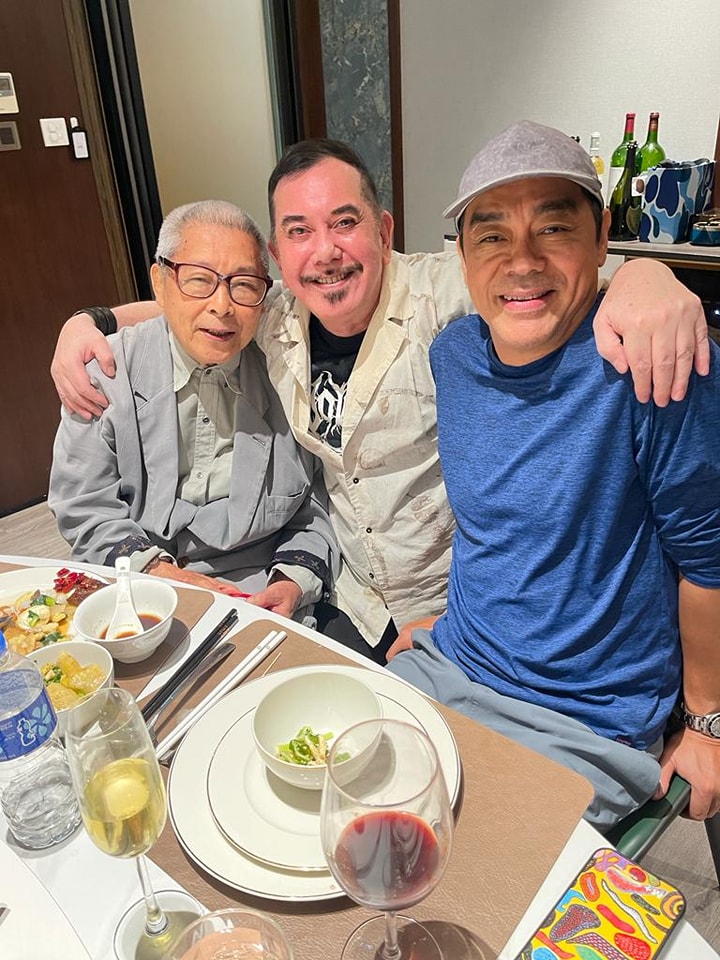
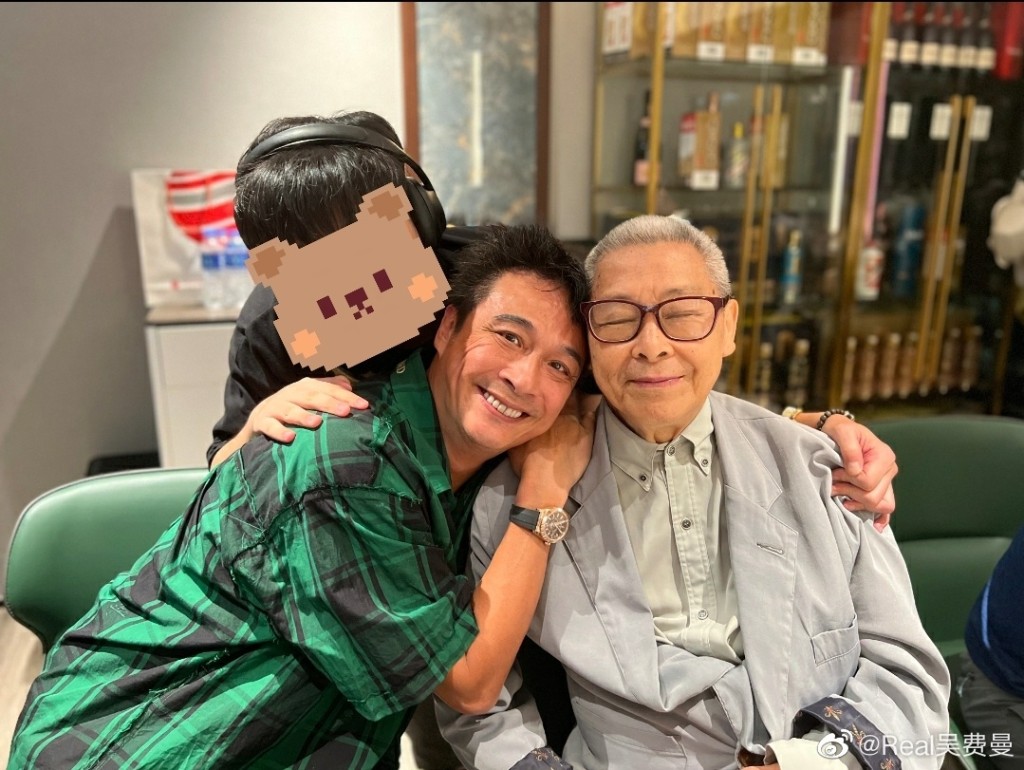
Actors including Sean Lau Ching Wan and Francis Ng Chun Yu were among those who maintained close ties with him. Their visits reflected the regard in which Lau was held by performers who had come to know him not simply as a senior colleague, but as a teacher.
Actress Charmaine Sheh also credited Lau with giving her important advice about acting. His approach was simple but memorable. He used water as a metaphor, telling her that acting should flow naturally rather than appear forced.
For an industry often associated with intense competition, Lau’s willingness to share his experience with younger performers stood out. His influence extended beyond individual performances and into the way actors approached their craft.
His Final Public Appearance
Lau’s final known public appearance came in October last year at a reception organised by Hong Kong’s culture and arts communities to mark the 76th anniversary of the founding of the People’s Republic of China.
He arrived in a wheelchair, dressed in a black suit and white shirt and wearing dark rimmed glasses. Photographs from the event showed him seated but alert and spirited as he took part in the gathering.
The appearance offered a glimpse of a veteran performer who, despite serious health difficulties, remained connected to Hong Kong’s cultural community.
By then, Lau had largely stepped away from public life. His declining health had made appearances increasingly difficult, while the loss of his wife years earlier had also profoundly changed his outlook.
The Loss That Changed His Life
Lau’s wife of more than 50 years died of cancer in 2012. Her death marked a turning point for the actor and dancer, who subsequently withdrew from much of public life.
Lau had described his wife as his most faithful audience. She watched his performances closely and, he said, reviewed them from the perspective of an ordinary viewer rather than simply praising him as his spouse.
Her absence affected his relationship with his profession. Lau said he had lost much of his sense of purpose in his work after her death.
The change also extended into his daily life. He adopted a vegetarian diet, explaining that food no longer seemed to carry the same meaning without his wife there to share meals with him.
For someone who had spent decades surrounded by performers, audiences and colleagues, the loss was deeply personal. His later years were marked by a quieter existence, although his contribution to Hong Kong’s entertainment industry remained recognised by those who had worked alongside him.
A Legacy Across Two Generations
Lau’s career crossed several eras of Hong Kong’s cultural history. He entered the performing arts through dance, helped establish professional links between Hong Kong and Europe, taught and choreographed before moving into film, and later became a respected elder figure for younger generations of actors.
That range made his career unusual. He was not confined to one discipline or one period of the industry. His work connected dance education with cinema and professional experience with mentorship.
For audiences, his film roles remain part of the record of Hong Kong cinema. For dancers and actors who knew him personally, however, his influence went further. His advice, personal discipline and willingness to teach shaped performers who continued working long after he had reduced his own public appearances.
Lau’s death therefore marks the passing of an entertainer whose career cannot be measured solely by the number of films in which he appeared. His contribution began years before he became a familiar face on screen.
He first helped Hong Kong performers look outward through dance. Later, he brought that experience into film and passed what he had learned to younger actors. Even as illness confined him to a wheelchair and eventually limited his public life, colleagues continued to seek his company and advice.
Lau Siu Ming died at 94, leaving behind a career that linked Hong Kong’s dance community, theatre and film industries across generations. His work on stage and screen will remain part of that history, while the actors he taught carry forward lessons from the veteran performer they called “Ming Sir”.