

A Hong Kong lawmaker has urged authorities to take tougher action against the illegal smuggling of fighting dogs, calling for government departments to work together to disrupt trafficking networks before animals reach buyers.
The call comes as an animal welfare group reports that dog abandonment cases have jumped by about 50 percent in a single month, raising fresh concerns about whether some owners are taking on pets without fully understanding the time, cost and responsibility involved.
Jonathan Chan Pok chi, a Legislative Council member representing the Agriculture and Fisheries functional constituency, said illegal dog trafficking had been a persistent problem and that unscrupulous traders continued to take risks to help customers circumvent quarantine requirements and regulatory checks imposed by the Agriculture, Fisheries and Conservation Department, known as the AFCD.
Speaking on a radio programme, Chan said enforcement should not focus solely on individual dog owners or people found handling animals in public. Authorities, he argued, needed to examine how dogs entered the illegal supply chain in the first place.
He called for coordinated operations involving different government departments to identify and stop trafficking activity at its source.
Lawmaker calls for action at source
Chan said smugglers were prepared to find ways around existing controls because there was a market for dogs that could otherwise face restrictions under Hong Kong's import and quarantine rules.
Rather than relying only on inspections after dogs have reached the city, he suggested that enforcement agencies should investigate farms and other locations where animals may be bred, housed or moved before entering the illegal trade.
He also proposed the use of drones to inspect dog farms, saying technology could help authorities identify suspicious operations that may be difficult to monitor through conventional inspections.
The suggestion comes as the AFCD has stepped up enforcement in several districts.
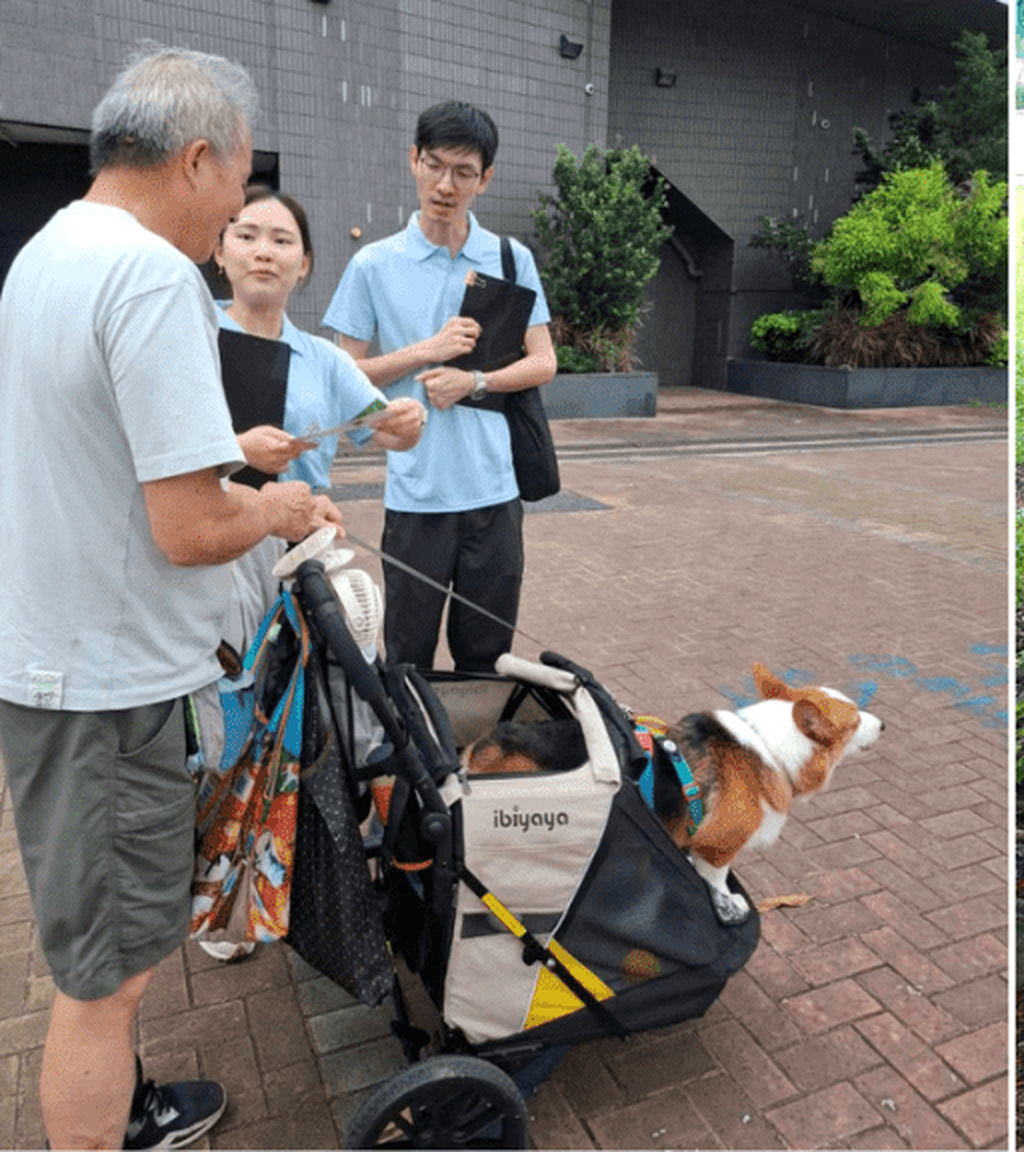
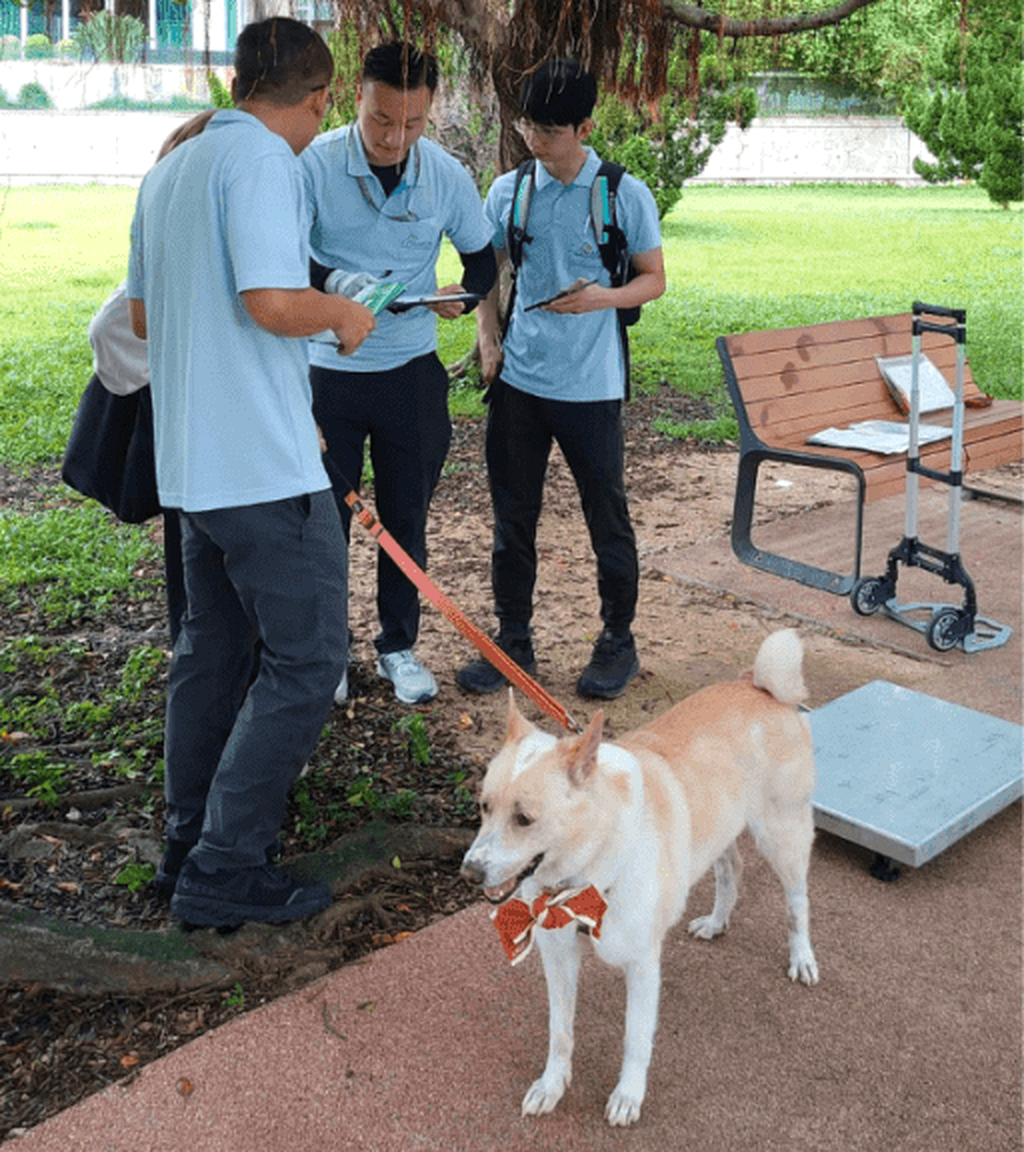
In recent operations, officers intercepted three dog keepers suspected of failing to keep large dogs on leashes while in public places. Such enforcement is intended to address risks associated with animals being allowed to move around public areas without adequate control.
Chan said enforcement without advance warning could send a clear message to people who ignore regulations. He argued that authorities should not always announce inspections beforehand, as unexpected enforcement can make it harder for people involved in illegal or unsafe practices to prepare for an inspection.
But he stressed that isolated enforcement actions would not be enough.
In his view, short term operations should form part of a broader, coordinated strategy involving different departments and continued deployments over a longer period.
The issue also extends beyond illegal trafficking. Animal welfare groups are increasingly dealing with owners who want to surrender dogs because they can no longer care for them.
Abandonments rise sharply
Lau Chun hoi, coordinator of the Animal Welfare Advocacy Alliance, said on the same radio programme that some people take on dogs without having a realistic understanding of what ownership involves.
A dog can require years of daily care, regular veterinary treatment, food, training and suitable living conditions. Owners may also face additional expenses when an animal develops a medical problem or displays difficult behaviour.
Lau said his organization had recorded at least a 50 percent increase in dog abandonment cases compared with the previous month.
He said the situation had become apparent not only through formal cases but also through the number of people directly approaching him for help.
Lau said he had personally received at least 16 requests from people seeking to surrender their dogs recently.
The figures point to growing pressure on animal welfare organizations, which must find ways to accommodate animals after owners decide they can no longer keep them.
When shelters and rescue groups receive more surrender requests than they can handle, animals may spend longer periods waiting for placement. That can create additional pressure on staff, volunteers and available space.
The reasons behind individual surrender cases can vary. Some owners may have underestimated the commitment involved in caring for a dog, while others may encounter financial difficulties, changes in housing arrangements or problems managing an animal's behaviour.
Lau's comments suggest that the issue should not be viewed solely as a matter of animal control. It also raises questions about responsible ownership and whether prospective owners receive enough information before acquiring a dog.
Concern over dangerous dog enforcement
Lau also raised concerns about recent AFCD enforcement actions involving suspected dangerous breeds.
According to Lau, officers had visited homes and seized dogs after receiving complaints concerning animals believed to belong to dangerous breeds. The actions, he said, had created considerable anxiety among some dog owners.
The enforcement of rules relating to potentially dangerous dogs can be particularly sensitive because decisions made by authorities may affect both the safety of the public and the welfare of individual animals.
Lau argued that owners should have an opportunity to come forward voluntarily before authorities resort to seizure in cases where there is no immediate threat requiring urgent intervention.
He proposed introducing a grace period during which owners could declare dogs suspected of belonging to restricted or dangerous breeds.
Under such an approach, owners would have time to report the animals and seek guidance on the requirements they must meet, rather than waiting until an enforcement visit results in a seizure.
Lau warned that sudden removal from a familiar home could place animals under considerable psychological stress. A dog that is abruptly taken away from its owner and surroundings may react differently from how it behaves at home, potentially creating further behavioural problems.
That concern does not mean authorities should ignore genuine safety risks. Dogs that pose an immediate danger to people or other animals may require urgent intervention. But Lau's proposal focuses on cases where owners could be given an opportunity to comply voluntarily before enforcement reaches that stage.
Balancing public safety and animal welfare
The debate reflects two connected problems facing Hong Kong: preventing illegal dog trafficking and dealing with animals that enter homes without adequate preparation or later become the subject of enforcement action.
For Chan, the priority is to stop illegal activity before smuggled dogs reach the market. That means identifying suppliers, examining breeding and holding facilities and improving cooperation between government departments.
For animal welfare groups, the growing number of surrender requests points to another weakness in the system: some people acquire dogs without fully considering whether they can provide proper care for the animal over the long term.
Both issues place pressure on authorities and welfare organizations, although they require different responses.
More effective checks at the source could make it harder for illegal traders to bring dogs into Hong Kong outside established controls. Better information for prospective owners could reduce the number of people who later discover that they cannot cope with the responsibilities of keeping a dog.
At the same time, Lau's proposed grace period could give some owners a route toward compliance while reducing the disruption caused by sudden seizures, provided authorities can ensure that public safety is protected.
The sharp rise in abandonment cases adds urgency to the discussion. Sixteen recent surrender requests received by one animal welfare coordinator represent only the cases that reached him directly, while the reported 50 percent monthly increase suggests that the wider demand for assistance may be considerably greater.
Authorities, welfare organizations and prospective dog owners therefore face a straightforward task: prevent animals from entering the city through illegal channels, make sure people understand the obligations before taking ownership, and provide a clear path for owners who need help complying with breed and safety regulations.
For owners who can no longer cope, abandoning a dog should never become the default option. The first step should be contacting an animal welfare organization or the relevant authorities to arrange a lawful and safe surrender.