


A 24 year old man has gone on trial in Hong Kong's High Court accused of repeatedly sexually abusing his younger sister over a period of almost three years, beginning when she was seven years old.
The defendant, identified in court by the initials L.H.C.N., faces four counts of incest and three counts of committing an indecent act towards a child under 16. Prosecutors allege that the offences occurred on multiple occasions between September 2013 and July 2016 at a residential unit in Hong Kong.
The trial opened on Thursday and is scheduled to continue on Friday.
The allegations concern a period when the defendant himself was still a child. He was between 11 and 14 years old at the time of the alleged offences, while his younger sister, identified in court as X, was between seven and 10.
The prosecution's case centres on allegations that the defendant initiated a series of sexual encounters with his sister when the two were alone at home.
Family home in Sha Tau Kok
The court heard that X lived with a large family in Sha Tau Kok. Her household included her parents, grandparents, great grandmother, a domestic helper and two older brothers.
The defendant was X's second elder brother.
According to the prosecution, the first alleged incident occurred in X's bedroom while the siblings were alone and using mobile phones. Prosecutors told the court that the defendant initiated the encounter and that X complied.
About a month later, the defendant allegedly suggested another sexual encounter.
The prosecution said further incidents followed roughly a week later, including separate encounters in different parts of the family home. Additional allegations concern another occasion approximately two weeks after that, when prosecutors say multiple offences occurred in the living room and bedroom on the same day.
The prosecution is presenting the alleged conduct as a repeated pattern rather than an isolated incident. Prosecutors argue that the number of alleged encounters and the period over which they occurred are relevant to the question of the defendant's understanding and intent at the time.
Police report made years later
X did not report the alleged conduct to police until December 2021, several years after the period covered by the charges.
The prosecution has confirmed that X will not be called to give evidence during the trial.
Instead, prosecutors are relying heavily on statements and admissions allegedly made by the defendant during the police investigation.
The court heard that the defendant was initially arrested on suspicion of rape. During questioning by police, he allegedly admitted that he had committed the acts and expressed regret, while also referring to his age at the time.
He later took part in a video recorded police interview in which, according to the prosecution, he admitted all seven offences with which he is charged.
Those alleged admissions form a central part of the prosecution's evidence because the complainant will not appear as a witness in court.
The court will therefore have to consider the circumstances in which the defendant made the statements, the precise content of those interviews and the weight that can properly be given to his alleged admissions.
Prosecution seeks to establish awareness
A significant part of the prosecution's case concerns the defendant's understanding of sexual behaviour and the seriousness of his actions at the time.
Prosecutors intend to call teachers who taught the defendant during his primary and secondary school years.
The teachers are expected to give evidence that the defendant had received sex education and understood that the conduct alleged in the charges was wrong and unlawful.
The prosecution is expected to argue that this evidence is relevant because the defendant was himself a minor when the alleged offences occurred.
The issue is not simply his age, but what he understood about sexual conduct and the consequences of his actions at the time, according to the prosecution.
Prosecutors told the court that the repeated nature of the alleged incidents demonstrated a degree of awareness beyond what might be expected from ordinary childhood behaviour.
They also pointed to statements allegedly made during the police interviews as evidence of the defendant's understanding of what he was doing.
According to the prosecution, the defendant demonstrated an awareness of the possible consequences of his conduct and described steps he allegedly took during the encounters to avoid a particular outcome.
The prosecution intends to rely on those statements when arguing that the defendant understood the nature and consequences of his actions despite his young age.
Defendant's age at centre of case
The defendant's age during the alleged offences is likely to be an important issue throughout the proceedings.
He was only 11 when the first alleged incident took place and 14 by the time of the final allegations. The court must therefore consider the charges against the circumstances and legal framework applicable to a defendant who was himself a child at the time.
At the same time, prosecutors are seeking to establish through school evidence and the defendant's alleged police admissions that he possessed sufficient understanding of the nature of his conduct.
The case also involves allegations concerning a child within the same family, making the circumstances of the alleged offences particularly sensitive.
The prosecution has chosen not to call X to testify, meaning the court will hear the case largely through other evidence, including the defendant's alleged admissions and testimony from people who knew him during the relevant period.

Trial continues
The charges cover seven alleged offences said to have occurred over a period stretching from September 2013 to July 2016.
The prosecution must establish the charges to the required criminal standard, while the defence will have an opportunity to challenge the evidence presented to the court.
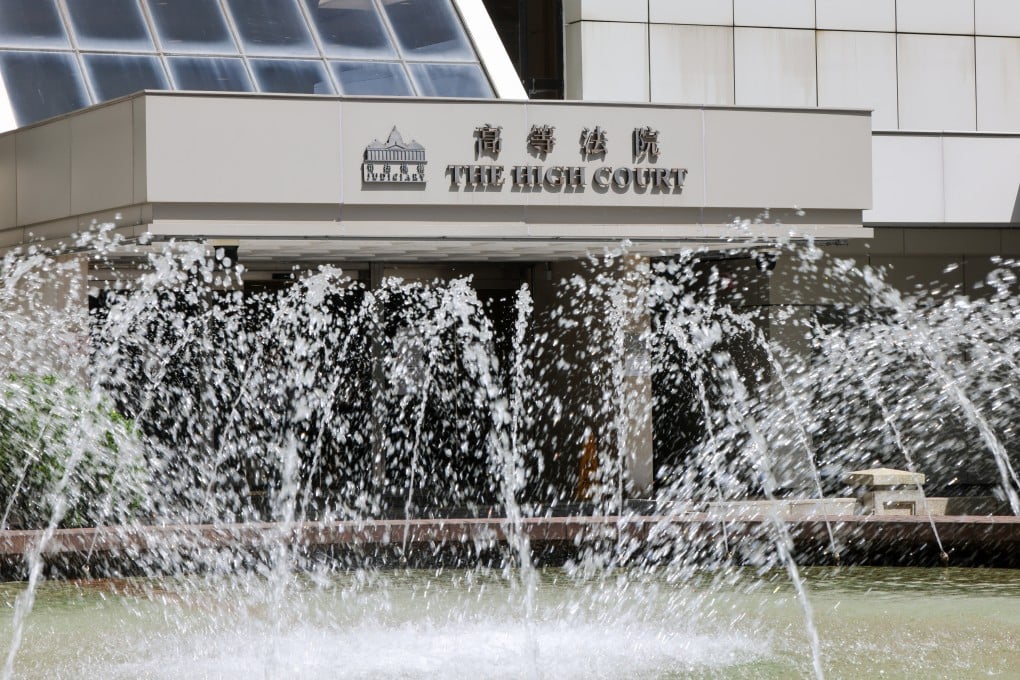
The proceedings are taking place in the High Court, where the judge will assess the evidence before reaching a decision in accordance with Hong Kong law.
The trial opened on Thursday and is due to continue on Friday, with further evidence expected to be heard as the prosecution presents its case.
Because the alleged offences involve a complainant who was a child at the time, the proceedings are subject to restrictions designed to protect her identity. She is referred to only as X in court reporting.
The case ultimately turns on the evidence surrounding events alleged to have occurred more than a decade ago, including the defendant's age at the time, his alleged understanding of the conduct, and the statements he later gave to police.
Until the court reaches a verdict, the allegations against L.H.C.N. remain allegations and have not been proven.