


Hong Kong court acquits police officer of indecent assault after rejecting informant’s testimony
A magistrate ruled that significant inconsistencies between a woman’s courtroom evidence and her earlier written statements meant the prosecution had failed to establish the case beyond reasonable doubt.
A Hong Kong police officer has been acquitted of indecent assault after a magistrate rejected the testimony of a female informant who accused him of touching her thigh and accessing a nude photograph on her mobile phone without her permission.
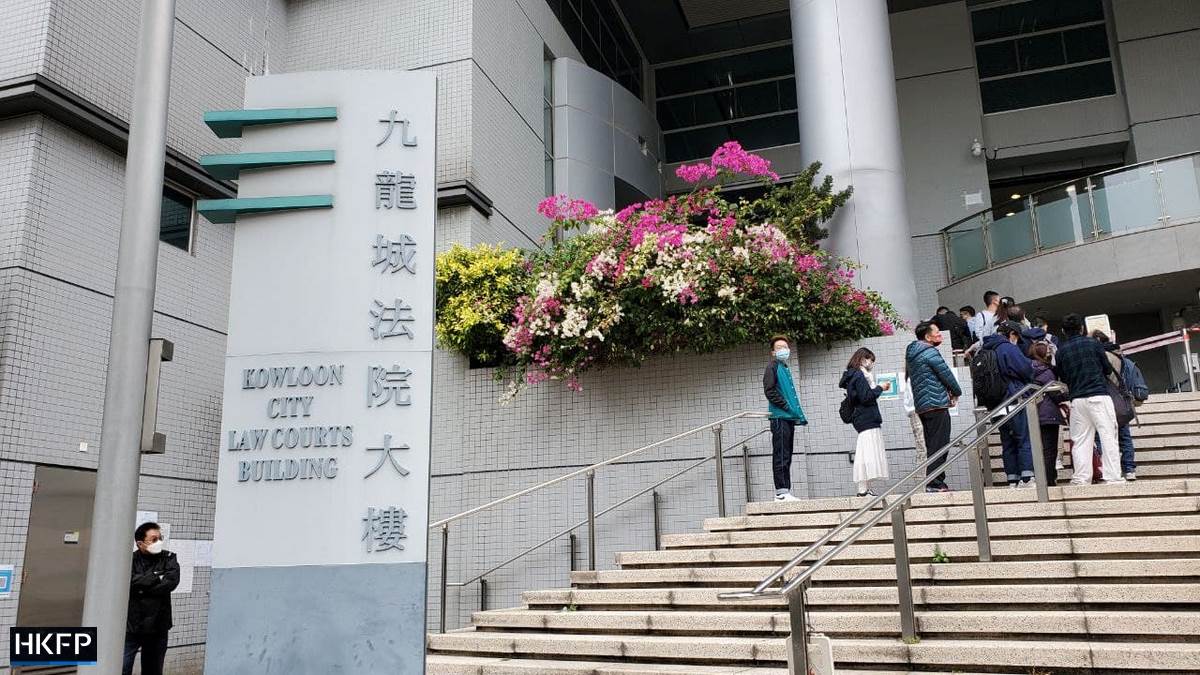
Officer Ng Ka wai, 41, pleaded not guilty to the charge when he appeared before the Kowloon City Magistrates’ Courts on Friday. After considering the evidence, Magistrate Arthur Lam ruled that the prosecution had not proved the allegation beyond reasonable doubt and found Ng not guilty.
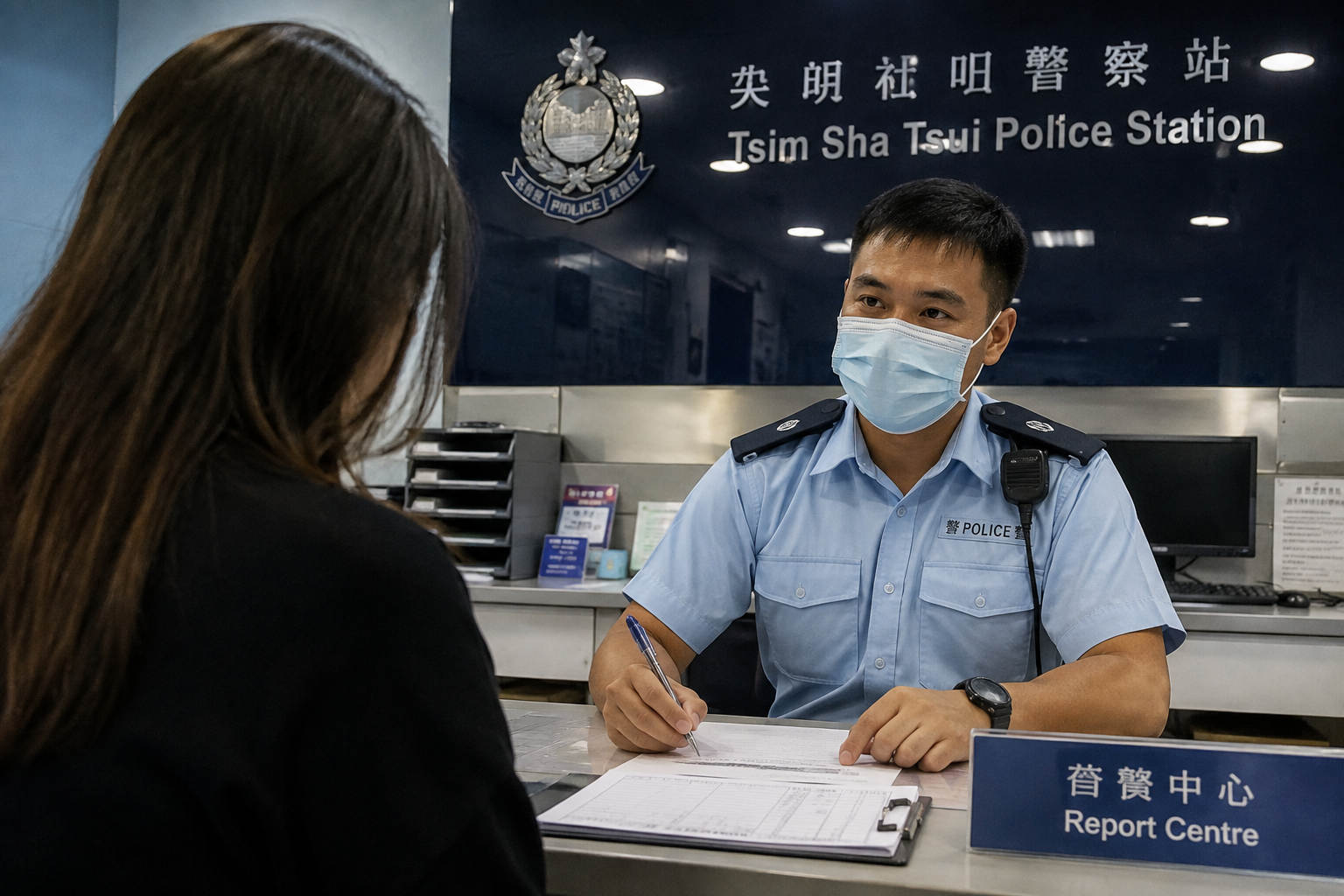
The case arose from an incident at Tsim Sha Tsui Police Station on December 20 last year, when the woman went to police after allegedly being blackmailed with nude photographs and defrauded of HK$1.6 million.
Police arranged for Ng to assist her in making a statement about the alleged fraud and blackmail. It was during that process that the alleged indecent assault was said to have taken place.
According to the prosecution’s case, the woman told Ng that a fraudster had sent her nude photographs of herself through WhatsApp’s “View Once” function as part of an alleged blackmail attempt. She subsequently handed her mobile phone to the officer.
The woman alleged that Ng then opened one of the photographs without obtaining her permission.
She further alleged that Ng asked her to stand beside him while they checked her online banking records. During that interaction, she said, the officer touched her thigh three times.
The allegations were denied by Ng, who maintained his innocence throughout the proceedings.
Magistrate questions inconsistencies in testimony
A central issue in the case was the reliability of the informant’s evidence.
In his ruling on Friday, Magistrate Lam said the woman’s account in court was inconsistent with the written statements she had previously provided. The discrepancies concerned, among other things, when and how she became aware that a photograph had allegedly been opened.
During her testimony, the woman told the court that she only realised that a suspected “View Once” nude photograph had been opened after she received her phone back from Ng.
The defence, however, referred during cross examination to an earlier written statement in which the woman had given a different account.
According to that statement, Ng had allegedly shown her the nude photographs on her mobile phone and made comments about them while viewing the images.
The difference between the two accounts became significant in assessing whether the prosecution’s version of events could safely be relied upon.
Lam found the explanations offered by the informant for the inconsistencies unconvincing. As a result, the magistrate said the court could not accept her testimony as reliable evidence.
With the complainant’s evidence rejected, the prosecution was unable to establish the charge to the required criminal standard.
Ng was therefore acquitted and awarded legal costs.
Woman had reported alleged fraud and blackmail
The indecent assault allegation emerged against the backdrop of a separate investigation into an alleged fraud and blackmail case.
The woman had gone to Tsim Sha Tsui Police Station to report that she had been defrauded of HK$1.6 million. She also told police that she was being threatened with the release or use of nude photographs of herself.
She said the suspected fraudster had sent her the images using WhatsApp’s “View Once” feature.
The feature allows a recipient to view certain photographs or videos once before the content disappears from the chat. Such functions can make it difficult for recipients to preserve or subsequently review material that has been sent to them.
The woman’s mobile phone consequently became relevant to the police inquiry. Ng was assigned to assist her in providing a statement, and the prosecution alleged that the officer accessed one of the intimate photographs during that process.
The alleged touching of the woman’s thigh was said to have occurred while she and Ng were checking online banking information connected with the reported fraud.
The prosecution’s case therefore depended significantly on the woman’s account of what happened during the police interview and the officer’s alleged actions involving her phone.
However, the court ultimately determined that her evidence could not be relied upon because of the inconsistencies identified between her testimony and her earlier statements.
Burden of proof remains with prosecution
The acquittal reflects the fundamental requirement in criminal proceedings that the prosecution must prove a defendant’s guilt beyond reasonable doubt.
An allegation, even one involving serious conduct, does not by itself establish criminal liability. The court must assess the evidence presented during the proceedings and determine whether it is sufficiently reliable to support a conviction.
In this case, Lam’s ruling focused heavily on the credibility and consistency of the informant’s account. The magistrate concluded that the differences between what she told the court and what she had recorded in her earlier statement could not be satisfactorily explained.
That meant the prosecution could not rely on her evidence to establish the alleged conduct beyond reasonable doubt.
The ruling did not amount to a finding that the underlying fraud and blackmail allegations reported by the woman were false. Rather, the proceedings concerned the separate allegation that Ng had indecently assaulted her while assisting with her police statement.
The court’s decision was specifically based on the evidence relating to the charge against the officer.
Serious offence under Hong Kong law
Indecent assault is a criminal offence in Hong Kong and carries a maximum sentence of 10 years’ imprisonment upon conviction.
The seriousness of the potential penalty means that the prosecution must satisfy the criminal standard of proof before a conviction can be entered.
Ng’s acquittal brings the proceedings against him over the alleged incident at the police station to an end unless any further legal process is available under the applicable rules.
The case also highlights the importance of consistency in witness evidence, particularly where a prosecution depends substantially on the account of a single complainant.
Differences between an initial statement and evidence given in court do not automatically mean that a witness is untruthful. Courts must consider the nature and significance of any discrepancy, the explanation offered for it and the evidence as a whole.
In Ng’s case, however, Lam found that the inconsistencies were sufficiently significant, and the explanations provided were not persuasive enough for the court to accept the informant’s testimony.
The magistrate consequently gave the officer the benefit of the criminal standard of proof and entered a not guilty verdict.
Ng was also awarded legal costs following his acquittal.
The case serves as a reminder that allegations made during a police investigation must still withstand scrutiny in court, where witness statements, testimony and cross examination can be tested against one another before a criminal verdict is reached.