

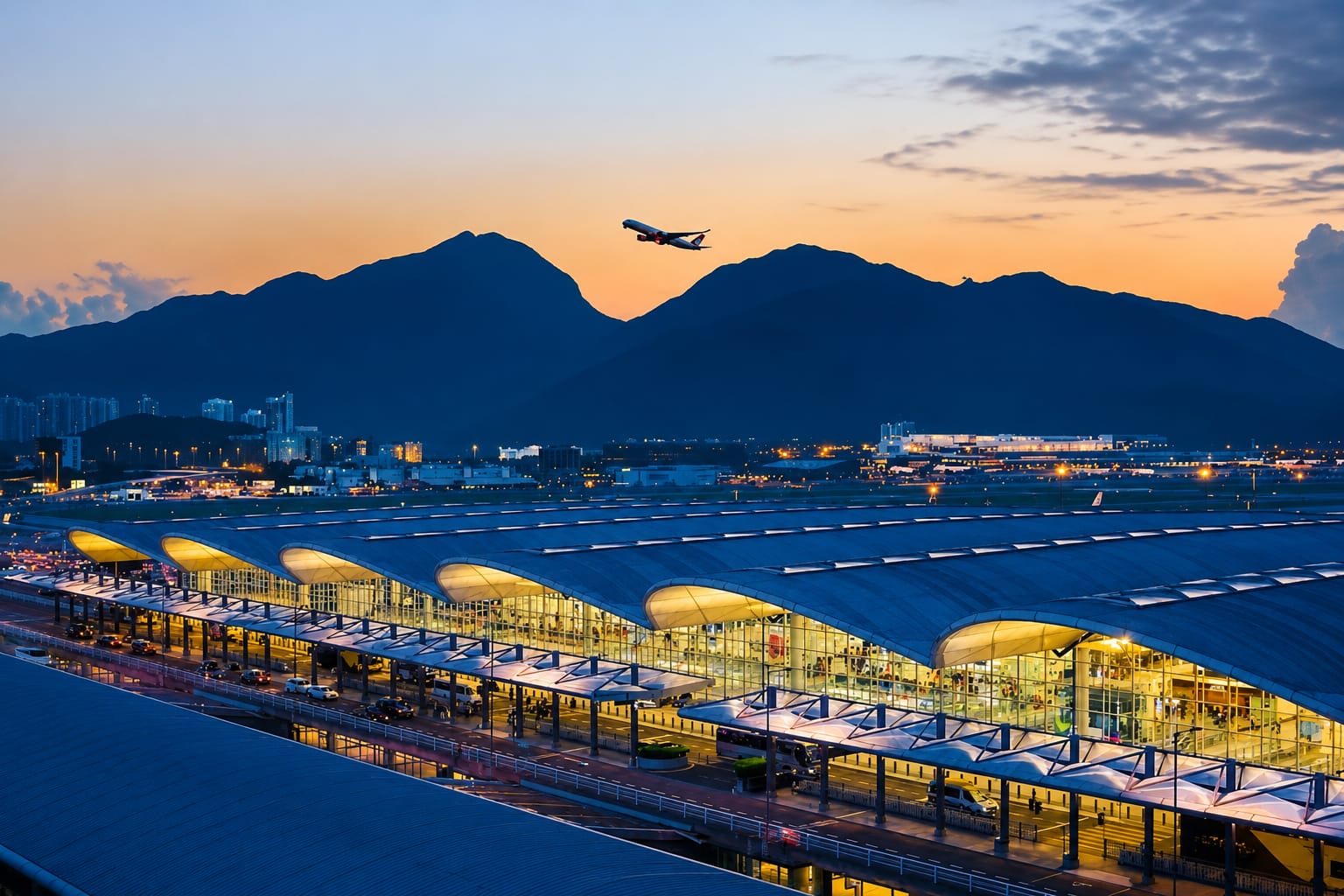
The Hong Kong International Airport (HKIA) officially opened the doors to its extensively redeveloped Terminal 2 on Monday, marking the completion of a multi-year, HK$42 billion infrastructure overhaul that airport authorities describe as the most technologically advanced and environmentally conscious passenger terminal in Asia.
A New Benchmark for Aviation Infrastructure
The expanded facility adds 115,000 square metres of processing and retail space to the existing complex on Lantau Island, bringing the airport's total capacity to 120 million passengers annually. Airport Authority Hong Kong Chief Executive Jack So described the opening as "a defining moment not only for Hong Kong's aviation sector, but for the city's ambition to remain the world's premier international aviation hub."
Terminal 2 features an integrated AI passenger flow management system developed in partnership with Hong Kong Polytechnic University and a consortium of technology firms. The system uses real-time data from over 4,000 cameras and sensors to dynamically adjust check-in counter allocations, security lane openings, and gate assignments, reducing average passenger processing times by an estimated 28 percent compared with pre-renovation benchmarks.
The expanded Terminal 2 integrates biophilic design principles with energy-efficient architecture throughout its 115,000 square metre footprint.
Environmental Credentials at the Forefront
Sustainability has been embedded into every dimension of the project. The terminal's roof features 68,000 square metres of photovoltaic solar panels, generating approximately 12 megawatts of electricity and covering nearly 40 percent of the building's operational energy requirements. A district cooling system draws on seawater thermal exchange technology developed in collaboration with the Hong Kong University of Science and Technology, reducing the building's cooling energy consumption by 35 percent relative to conventional air-conditioning infrastructure.
Rainwater harvesting systems collect and recycle up to 18 million litres of water annually for irrigation and toilet flushing across the terminal complex. Certified under the Leadership in Energy and Environmental Design (LEED) Platinum standard, Terminal 2 becomes only the second aviation terminal in Asia to achieve this distinction.
Biophilic Design and Passenger Wellbeing
Departing passengers will encounter a dramatically redesigned interior characterised by soaring 22-metre ceilings, more than 1,200 live plant installations, and a 2,000 square metre indoor botanical garden situated at the heart of the departure lounge. Airport designers from London-based firm Grimshaw Architects consulted with environmental psychologists to ensure the terminal environment reduces passenger stress and anxiety, factors that airport operators globally have identified as critical to retail spending and overall satisfaction scores.
The terminal also features 48 self-service biometric immigration counters using facial recognition technology already deployed at HKIA's arrivals halls, alongside a fully automated baggage handling system capable of processing 19,200 bags per hour with a misrouting rate of less than 0.01 percent.
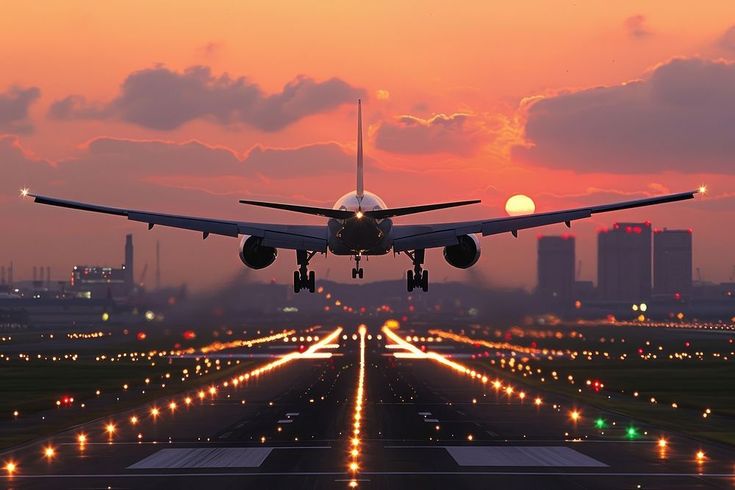
HKIA on Lantau Island handles over 100 million passengers annually, cementing its status as one of the world's busiest aviation hubs.
Economic and Strategic Impact
Aviation economists at the Hong Kong Trade Development Council project that the expanded terminal capacity will contribute an additional HK$28 billion to the local economy annually by 2030, primarily through increased cargo handling, tourism arrivals, and aviation-related services. The airport currently handles over 5 million tonnes of air cargo annually, making it the world's busiest air cargo hub for the fourteenth consecutive year.
The expansion also positions HKIA competitively against Singapore Changi's Jewel terminal and Dubai International Airport, which have set high standards for the passenger experience in Asian and Middle Eastern aviation markets. The Authority has announced further plans to develop a third runway facility, with environmental impact assessments already underway ahead of an anticipated 2029 construction commencement.
Connectivity and Future Planning
Airlines and industry observers have responded positively to the opening. Cathay Pacific Chief Executive Ronald Lam noted that the expanded infrastructure would allow the airline to schedule additional widebody services across the Pacific and Middle East corridors. The terminal is also designed to accommodate the next generation of ultra-long-haul aircraft, including the Airbus A350-1000ULR, with gates fitted for aircraft requiring 90-metre wingspan clearances.
The Airport Authority has committed to achieving full carbon neutrality across HKIA's operational footprint by 2040, a decade ahead of the broader Hong Kong government target set under the city's Climate Action Plan 2050. Investment in hydrogen-powered ground service equipment and sustainable aviation fuel infrastructure at the airport is scheduled to begin in the fourth quarter of this year.