

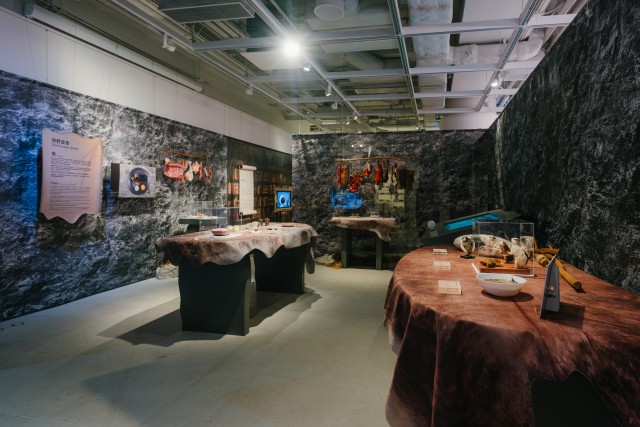
Fermented shark, maggot infested cheese and pungent fermented herring are among the foods waiting for visitors at Hong Kong’s newest and most unconventional food attraction, where curiosity comes with a complimentary vomit bag.
The Disgusting Food Museum from Sweden opens on September 29 at GATE33 Gallery inside AIRSIDE mall in Kai Tak, bringing more than 80 foods from 35 countries to Hong Kong. The exhibition will run until November 26 and has already attracted more than 500,000 visitors at venues around the world.
Rather than simply displaying unusual dishes behind glass, the exhibition asks visitors to confront their own reactions to food. They can look at unfamiliar ingredients, smell recreated aromas and, for those willing to go further, taste selected foods at an on site tasting bar.
The experience begins before visitors enter the exhibition. Each guest receives a vomit bag, setting the tone for an attraction designed to provoke strong reactions.
Five zones explore the world's most unusual foods
Inside the museum, five themed zones examine foods that may appear shocking or unappetising to people unfamiliar with the traditions behind them.
The exhibits come from different parts of the world and reflect a wide range of culinary practices. Visitors can learn about fermented seabirds associated with Greenland, fertilised duck eggs eaten in parts of Southeast Asia and casu marzu, a Sardinian cheese known for containing live maggots.
The exhibition does not present these foods simply as curiosities. It examines why certain ingredients become accepted, celebrated or even prized within one culture while producing a very different response somewhere else.
That contrast is central to the museum's concept.
Food preferences are shaped by childhood experiences, family traditions, geography, religion, availability and local history. An ingredient considered ordinary in one country can seem extraordinary to someone encountering it for the first time.
The museum uses those differences to encourage visitors to question what they consider normal food.
Smell plays a major role
For many visitors, the most difficult part of the exhibition may come before the tasting.
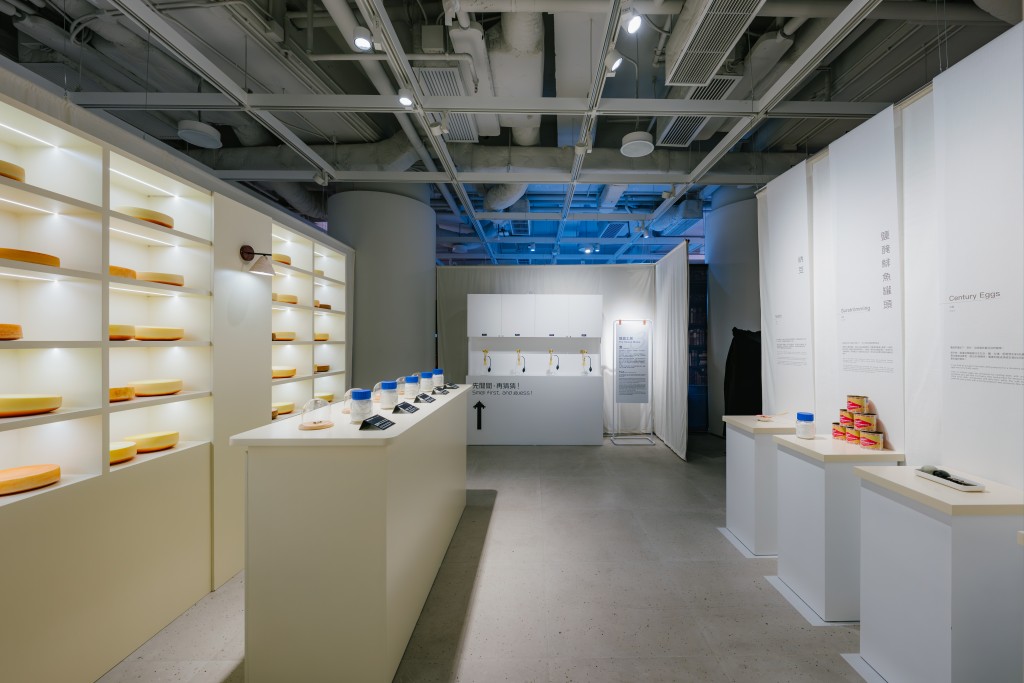
Smell is used extensively throughout the experience, with local perfumers recreating distinctive aromas associated with some of the exhibits. The approach allows visitors to encounter the sensory side of foods that they might otherwise never have the opportunity to experience.
That matters because smell is closely tied to the way people experience food. A dish can look harmless on a plate but produce an entirely different response once its aroma reaches the nose.
For visitors who want more than a visual and sensory introduction, the museum has another test waiting at the end.
The Final Bite puts visitors to the test
The exhibition's tasting bar, known as The Final Bite, gives ticket holders the opportunity to sample a selection of unusual foods at no additional charge.
Staff guide visitors through the tasting experience, allowing them to decide how far they want to push their taste buds.
The less intimidating options include crunchy cricket snacks, sauerkraut juice and Vegemite, Australia's famously salty yeast extract spread.
Those who want to take on the more demanding challenges can try Swedish surströmming, a fermented herring known for its powerful smell, followed by Icelandic hákarl, a traditional food made from fermented shark.
Visitors who successfully complete the challenge receive the title of "Tastebud Warrior."
For some guests, the tasting may be the main attraction. For others, simply standing close enough to some of the more strongly scented exhibits could be an achievement.
The museum's approach turns food into an experience rather than simply a meal. Visitors are encouraged to notice their immediate reactions and consider why particular smells, textures and flavours trigger feelings of attraction or disgust.
The exhibition also asks bigger questions about food
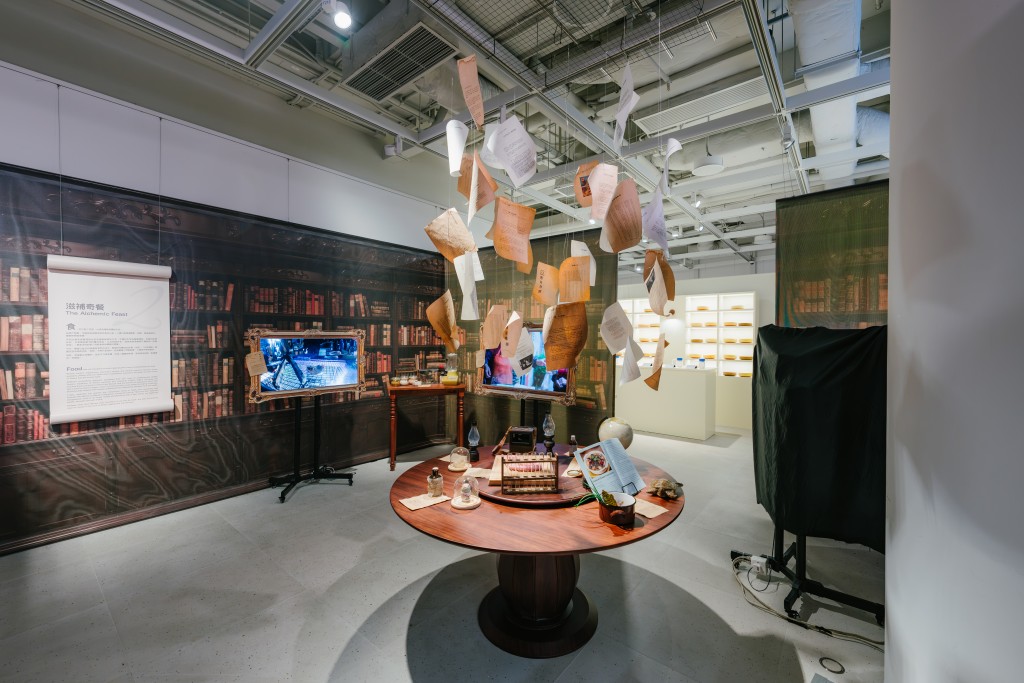
Behind the shock factor, the museum explores a broader issue: how societies decide what counts as acceptable food.
The exhibition also examines alternative sources of nutrition, including insects and lab grown meat, and considers whether such foods could become part of more sustainable eating habits.
Insects, for example, already form part of traditional diets in many parts of the world. For people unfamiliar with them as food, however, the idea of eating insects can provoke a strong reaction.
The same cultural divide can apply to foods created using newer technologies. Lab grown meat may be viewed as an alternative to conventional livestock production by some people, while others remain uncomfortable with the idea.
By placing these subjects alongside traditional foods from different cultures, the museum invites visitors to consider whether their own definition of "normal food" is as universal as they might assume.
Co founder Andreas Ahrens said the exhibition is intended to make visitors reconsider their perceptions of food. He noted that a food regarded as a prized delicacy by one person could be viewed as a nightmare by someone else.
That difference in perception forms the central idea behind the exhibition.
Hong Kong visitors can take the experience home
The unusual food theme also extends beyond the exhibition itself.
Visitors looking for a souvenir can buy exclusive Hong Kong merchandise, including Bugillipop blind box lollipops containing edible insects.
The products add another layer to the museum's playful approach, turning ingredients that many people might normally avoid into novelty items visitors can take home.
For families, the exhibition also offers a way to introduce children to different food cultures, although younger visitors may have very different reactions to the displays and tasting options than adults.
Children aged three or under can enter free when accompanied by a paying adult. Tickets for children aged four to 11 range from HK$48 to HK$68, while adult admission costs between HK$68 and HK$88.
The exhibition's pricing makes the experience accessible to visitors who want to explore something different without committing to a conventional restaurant tasting menu.
A different kind of food experience
The Disgusting Food Museum is ultimately less about proving that one food is more unusual than another and more about examining the cultural assumptions behind people's reactions.
A visitor who enjoys cricket snacks may hesitate at fermented shark. Someone accustomed to strong fermented foods may find another exhibit completely ordinary. The same dish can produce curiosity, laughter, disgust or genuine appreciation depending on who is tasting it.
That makes the tasting bar more than a novelty stop. It gives visitors a chance to test their own assumptions directly.
The Hong Kong exhibition will remain at GATE33 Gallery in AIRSIDE from September 29 through November 26, giving adventurous food lovers several weeks to decide how far they are willing to go.
Would you take on the fermented shark and surströmming challenge and try to earn the title of "Tastebud Warrior"?