

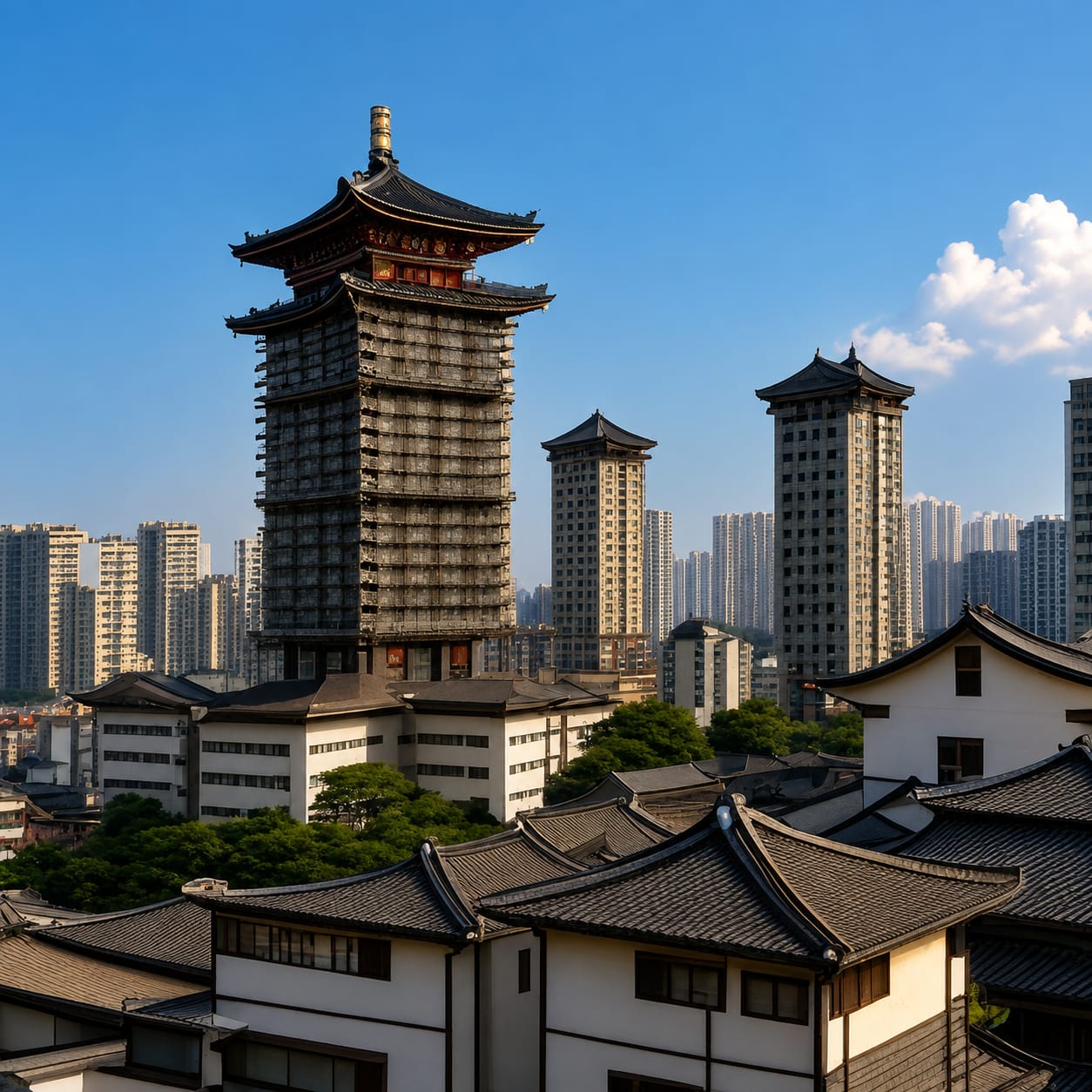
A confluence of demographic opportunity, digital transformation demand, and the reorientation of global supply chains has transformed Southeast Asia into the world's most competitive arena for infrastructure private equity investment. The five largest global private equity infrastructure managers, Blackstone, KKR, Brookfield Asset Management, Carlyle Group and GIP (now part of BlackRock), have collectively announced or deployed over 80 billion US dollars of capital commitments to Southeast Asian infrastructure in the 18-month period through June 2026.
The Investment Thesis
The investment thesis driving this unprecedented commitment is multifaceted. Southeast Asia's collective population of 700 million is younger, more urban, and more digitally connected than in any previous period of the region's history. Smartphone penetration across the six largest ASEAN economies now exceeds 85 percent, driving explosive growth in data consumption that requires massive capital investment in data centre capacity, fibre optic networks and mobile telecommunications infrastructure.
Simultaneously, the structural shift in global manufacturing away from concentrated Chinese supply chains has created a capital investment boom in industrial facilities, logistics parks, port expansions and related infrastructure across Vietnam, Indonesia, Thailand and the Philippines. KKR's head of Asia infrastructure, speaking at the Milken Institute Asia Summit in Singapore, described the region as "the most compelling infrastructure investment opportunity of the next decade, bar none."
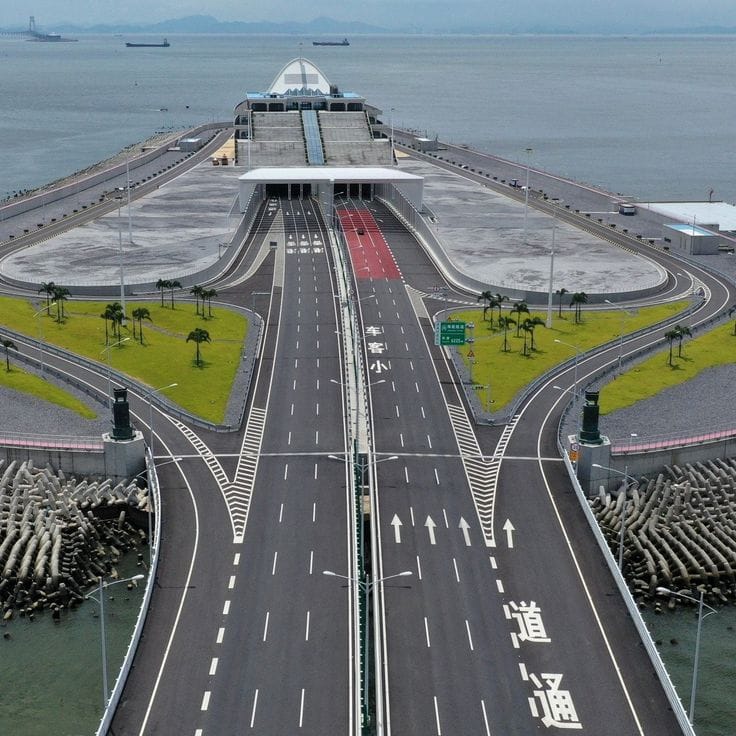
Private equity giants have committed over $80 billion to Southeast Asian infrastructure over 18 months, focusing on data centres, renewables and logistics.
Data Centres: The Hottest Asset Class
Data centre investment has attracted the largest single share of private equity commitment, driven by the surge in demand for cloud computing, artificial intelligence workloads and digital services. Blackstone's QTS Realty, its US data centre platform, has established a Southeast Asian subsidiary targeting five gigawatts of data centre capacity across Singapore, Malaysia, Indonesia and Thailand by 2030. The investment required to build this capacity is estimated at 40 billion US dollars, of which approximately 12 billion has been committed in signed leases and construction contracts.
Malaysia has emerged as the region's fastest-growing data centre market, partly displacing Singapore whose land and power constraints have pushed costs higher. Johor state in southern Malaysia, adjacent to Singapore, has attracted over 30 billion US dollars of announced data centre investment in 18 months, as operators seek proximity to Singapore's financial and digital hub while benefiting from lower land costs and Malaysia's renewable energy commitments.
Renewable Energy Infrastructure
Renewable energy infrastructure, encompassing solar farms, wind projects, battery storage systems and green hydrogen production facilities, has attracted the second-largest allocation. KKR's Asia-Pacific Green Infrastructure Fund II has raised 12 billion dollars from investors and is deploying it across utility-scale solar and wind projects in the Philippines, Vietnam, Indonesia and Japan. Brookfield Renewable's Asia Pacific platform has separately committed to 5 gigawatts of renewable projects across the region.
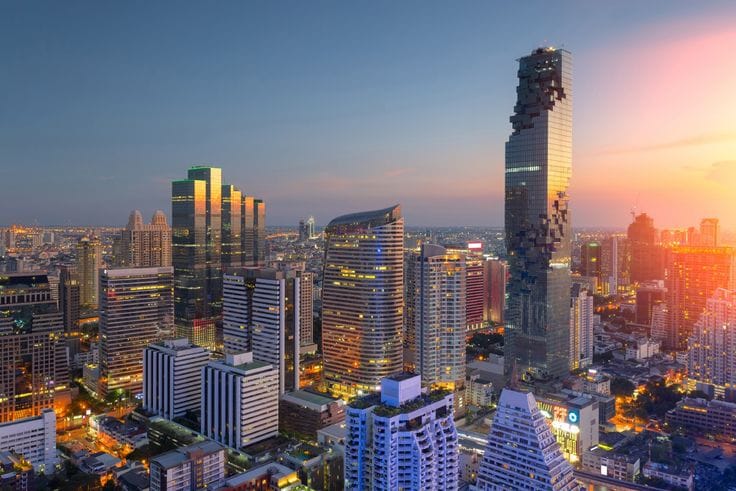
Malaysia's Johor state has attracted over $30 billion of data centre investment in 18 months as operators seek alternatives to land-constrained Singapore.
Regulatory and Political Risk
The infrastructure investment wave is not without risk. Regulatory and political risk remains the primary concern for institutional investors committing to the region. Indonesia's history of retrospective regulatory changes affecting foreign investors in natural resources and telecommunications has made some global capital providers cautious about large, illiquid commitments to the archipelago's infrastructure sector.
Currency risk is also significant, with most infrastructure assets generating local-currency revenue while investors require US-dollar-denominated returns. The development of local capital markets and the deepening of currency hedging products in ASEAN markets has helped address this challenge at shorter durations, but long-dated infrastructure investments of 20 to 30 years remain difficult to hedge cost-effectively.
The Regional Opportunity in Numbers
The Asian Development Bank estimates that Southeast Asia requires 1.7 trillion US dollars of infrastructure investment over the decade to 2030 to sustain its current growth trajectory. Private capital at current commitment rates would cover perhaps 40 percent of that requirement, with the balance needing to come from national governments, multilateral development banks and innovative blended finance structures that combine public guarantees with private capital. The Infrastructure Investment and Planning Forum, to be held in Singapore in October, will address how this financing gap can be bridged.