

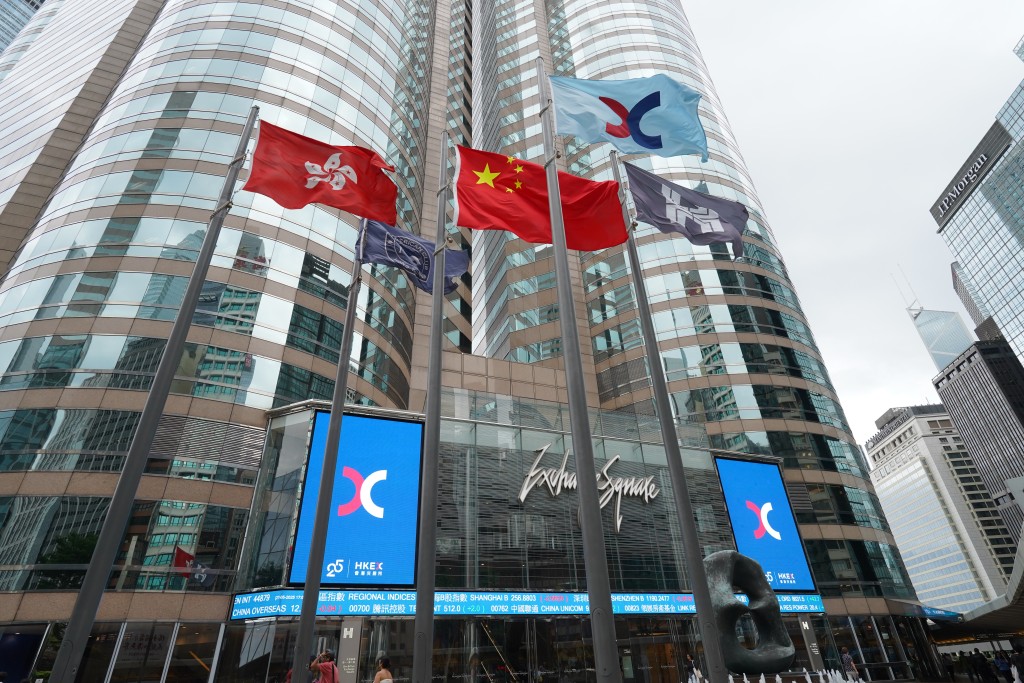
Hong Kong Exchanges and Clearing will expand the types of assets that market participants can use to meet margin requirements, with selected Chinese government and policy bank bonds set to become eligible non cash collateral from November, subject to regulatory approval.
HKEX said on Friday that its wholly owned clearing subsidiaries, HKFE Clearing Corporation and the SEHK Options Clearing House, will accept China Government Bonds and Policy Bank Bonds held through Northbound Bond Connect. Offshore bonds issued by the Ministry of Finance of the People's Republic of China will also qualify under the planned change.
The new arrangement will apply to margin requirements for products cleared by HKCC and SEOCH. By allowing these bonds to be used instead of cash, HKEX said the measure will give market participants more choices when meeting collateral requirements and allow them to make more efficient use of available capital.
Chinese Bonds to Join Eligible Collateral
The planned expansion covers three broad categories of Chinese government related debt.
The first is China Government Bonds held through Northbound Bond Connect. The second is Policy Bank Bonds held through the same channel. The third is offshore bonds issued by the Ministry of Finance of the People's Republic of China, known as MOF Bonds.
These securities will become eligible for use as non cash collateral for the margin requirements of products cleared through HKCC and SEOCH once the necessary regulatory approval has been obtained.
Collateral is used by clearing houses to manage the financial obligations associated with derivatives positions. Market participants that trade cleared derivatives must provide margin to cover those obligations. Allowing a wider range of assets to satisfy those requirements can give participants greater flexibility in how they manage their available funds.
HKEX said the change will therefore broaden the choices available to market participants while supporting more efficient use of capital.
The move also increases the potential role of Chinese government related bonds within Hong Kong's derivatives market. Securities that previously sat within the broader fixed income market can, under the proposed arrangement, also be used to meet collateral requirements for eligible derivatives activity.
HKEX Sees Wider Role for Chinese Government Bonds
Vanessa Lau, chief operating officer of HKEX, said the planned change represents a step toward broader use of Chinese Government Bonds in Hong Kong.
She said expanding the range of assets available for margin requirements would give market participants greater flexibility in managing collateral. Lau also linked the move to capital efficiency and the development of Hong Kong's fixed income and yuan ecosystem.
The statement reflects HKEX's focus on creating additional links between Hong Kong's financial markets and China's domestic bond market.
For market participants, the practical effect will be an increase in the assets that can potentially be used to satisfy margin obligations. Instead of relying only on existing eligible collateral, participants will have access to additional Chinese government related securities once the new rules take effect.
The measure does not apply immediately. HKEX said the acceptance of the additional securities is planned for November and remains subject to regulatory approval.
Bond Connect Provides the Link
Northbound Bond Connect is central to the planned expansion because the China Government Bonds and Policy Bank Bonds covered by the announcement must be held through that channel to qualify.
Bond Connect provides a mechanism through which investors can access China's bond market. The inclusion of securities held through Northbound Bond Connect means HKEX can broaden the collateral pool while maintaining a defined framework for the securities covered by the arrangement.
The addition of offshore MOF Bonds further expands the range of Chinese government related debt that can be considered for collateral purposes.
HKEX has not said in the announcement how much collateral market participants may eventually provide through these securities or how the change will affect individual clearing members. The stated objective is broader choice and more efficient capital use for participants whose products are cleared through HKCC and SEOCH.
Change Follows July Regulatory Announcement
The planned enhancement follows an announcement made on July 7 by the Securities and Futures Commission, the Hong Kong Monetary Authority and the People's Bank of China.
The three institutions announced the acceptance of Bond Connect Securities as eligible collateral for Hong Kong's derivatives market.
That announcement provided the regulatory basis for expanding the range of securities that could be recognised as collateral in the market. HKEX's latest statement moves that development toward implementation within its derivatives clearing operations.
The involvement of the SFC, HKMA and People's Bank of China also reflects the cooperation between Hong Kong and mainland Chinese financial authorities around the use of Bond Connect securities.
HKEX's proposed change applies specifically to the clearing operations of HKCC and SEOCH. HKCC is the clearing house for products covered by its clearing arrangements, while SEOCH provides clearing services for securities options traded through the Hong Kong market.
Market participants using products cleared through either clearing house will therefore be directly affected by the expansion once regulatory approval is secured and the new collateral arrangements begin in November.
More Options for Margin Requirements
Margin requirements are a central part of derivatives clearing because they provide financial protection against obligations arising from market positions.
When additional securities become eligible collateral, participants can gain more flexibility in deciding how to allocate their available assets. The ability to use qualifying bonds may reduce the need to hold or transfer cash solely for collateral purposes, depending on each participant's circumstances and the applicable requirements.
HKEX described the planned change as an enhancement to collateral management. The exchange said it is intended to support greater flexibility, improve capital efficiency and contribute to the development of Hong Kong's fixed income and yuan markets.
The move also gives Chinese government related bonds a broader function within Hong Kong's financial system. Beyond their role as fixed income investments, eligible securities will be able to support margin obligations for relevant derivatives products.
Implementation Awaits Regulatory Approval
The new collateral arrangement is not yet final. HKEX said implementation is subject to regulatory approval, with the planned start scheduled for November.
Before the change takes effect, market participants will need to consider the specific securities that qualify, the applicable collateral requirements and the procedures governing their use in the clearing system.
The announcement sets out a clear sequence. The regulatory authorities announced the acceptance of Bond Connect Securities as eligible collateral in July, and HKEX is now preparing to extend the eligible collateral pool within its own derivatives clearing operations.
If approved, the change will allow China Government Bonds and Policy Bank Bonds held through Northbound Bond Connect, together with qualifying MOF Bonds, to be used as non cash collateral for products cleared by HKCC and SEOCH.
For Hong Kong's derivatives market, the immediate change is straightforward: more Chinese government related bonds will be available for collateral purposes. For market participants, the next date to watch is November, when the planned expansion could begin taking effect.
Could the wider use of Chinese government bonds as collateral further expand the role of yuan assets in Hong Kong's financial markets?