
Hong Kong's benchmark Hang Seng Index closed above 25,000 points on Thursday for the first time since January 2025, gaining 3.2 percent in a single session that saw turnover surge to HK$312 billion, the highest single-day volume since the market peak of 2021. The rally was led by technology and financial sector stocks, with Tencent Holdings, Alibaba Group and HSBC Holdings all advancing more than 4 percent, contributing over 600 points to the index gain.
Catalysts for the Rally
Three principal catalysts converged to drive Thursday's dramatic advance. First, China's National Bureau of Statistics released second-quarter GDP data showing growth of 5.8 percent, exceeding forecasts by half a percentage point and triggering upward revisions to earnings estimates for companies with significant China revenue exposure. Second, the Federal Reserve's testimony before the US Senate Banking Committee was interpreted as a clear signal of rate reductions beginning in September, reducing the opportunity cost of holding equities and weakening the dollar relative to Asian currencies.
Third, and perhaps most significant in terms of market mechanics, was evidence of substantial institutional buying. Fund flows data from State Street Global Advisors, Morgan Stanley and HSBC Global Research all showed material net purchases of Hong Kong-listed equities by international institutional investors in the 48 hours surrounding the breakout above 25,000, reversing three months of net outflows that had kept the index range-bound between 21,000 and 23,500.
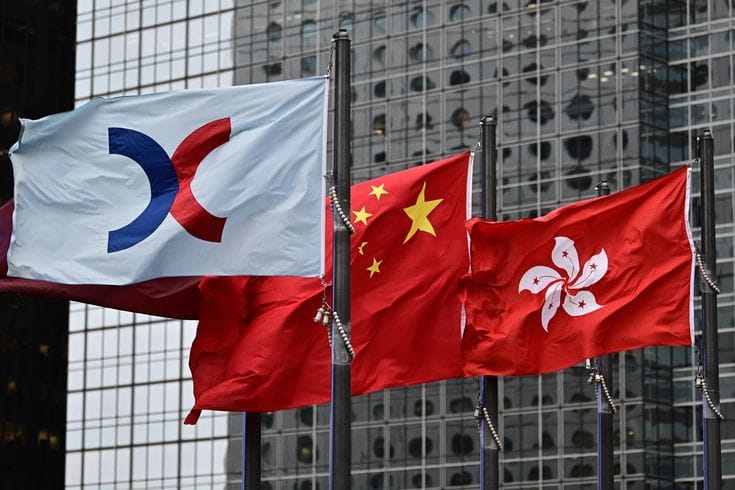
The Hang Seng Index crossed 25,000 points on volume of HK$312 billion, the highest single-day turnover since the 2021 peak.
Sectoral Analysis
Technology stocks led the advance, with the Hang Seng Tech Index, which tracks the 30 largest tech companies listed in Hong Kong, advancing 5.1 percent. Tencent Holdings closed at its highest level in 22 months after announcing second-quarter revenue growth of 11 percent and reiterating its commitment to a 50-billion-yuan share buyback programme. Alibaba Group gained 6.3 percent following regulatory approval of its cloud computing unit's listing on the main board of the Hong Kong Stock Exchange as a separately listed entity.
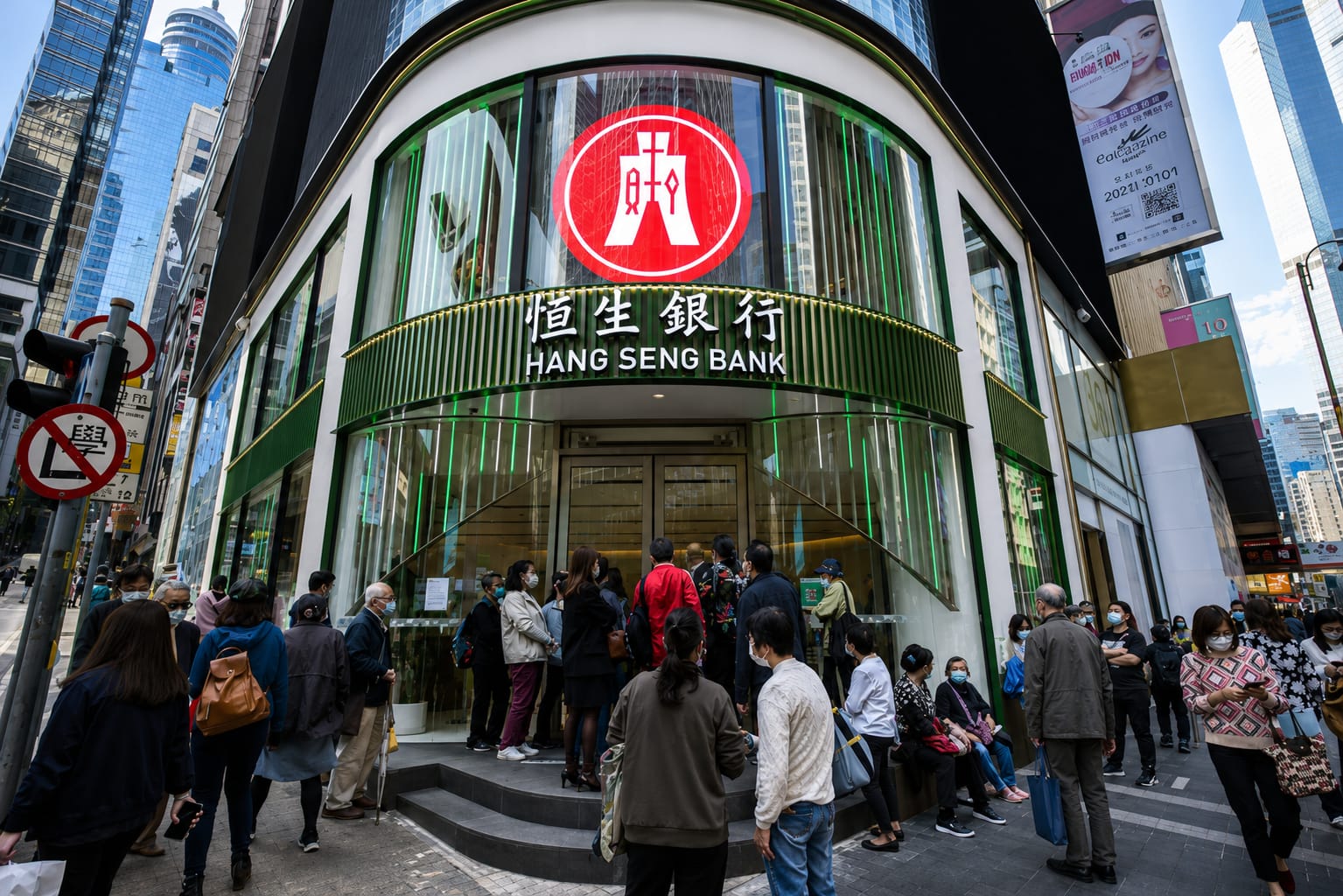
Financial stocks contributed the second-largest sector gain, with HSBC Holdings advancing 4.2 percent in anticipation of dividend restoration and rate cut cycle benefits. Bank of China (Hong Kong) and Hang Seng Bank both rose more than 3 percent as analysts noted their dividend yields remain attractive even in the context of declining deposit rates.
Options Market Dynamics
The derivatives market provided an additional amplifying mechanism for Thursday's move. Open interest in Hang Seng Index futures had accumulated a significant short position over preceding weeks as hedge funds bet against the index breaking above technical resistance at 24,500. As the index breached this level, short-covering flows added momentum to the rally in a pattern that quantitative analysts at Deutsche Bank described as "a textbook gamma squeeze compressing into a fundamental catalyst."

Analysts identified significant short-covering in Hang Seng futures as a technical amplifier to the fundamental drivers of Thursday's rally.
Outlook and Risks
Equity strategists at Goldman Sachs raised their year-end Hang Seng target to 27,500 following the breakout, citing continued improvement in China macro fundamentals, the global rate reduction cycle, and historically low valuations relative to earnings as supporting a further 10 percent advance from current levels. CLSA maintained a more cautious target of 26,000, flagging geopolitical risk from US-China trade tensions and the uncertainty of the Chinese property sector's full stabilisation as factors limiting upside.
Retail investors, who represent a larger share of the Hong Kong equity market than in most comparable jurisdictions, showed increased activity in the session, with retail brokerage accounts at Futu Holdings and Tiger Brokers both recording record-high single-day trading volumes. Margin loan utilisation, a measure of leveraged retail participation, increased 12 percent week-on-week to its highest level since November 2024.