

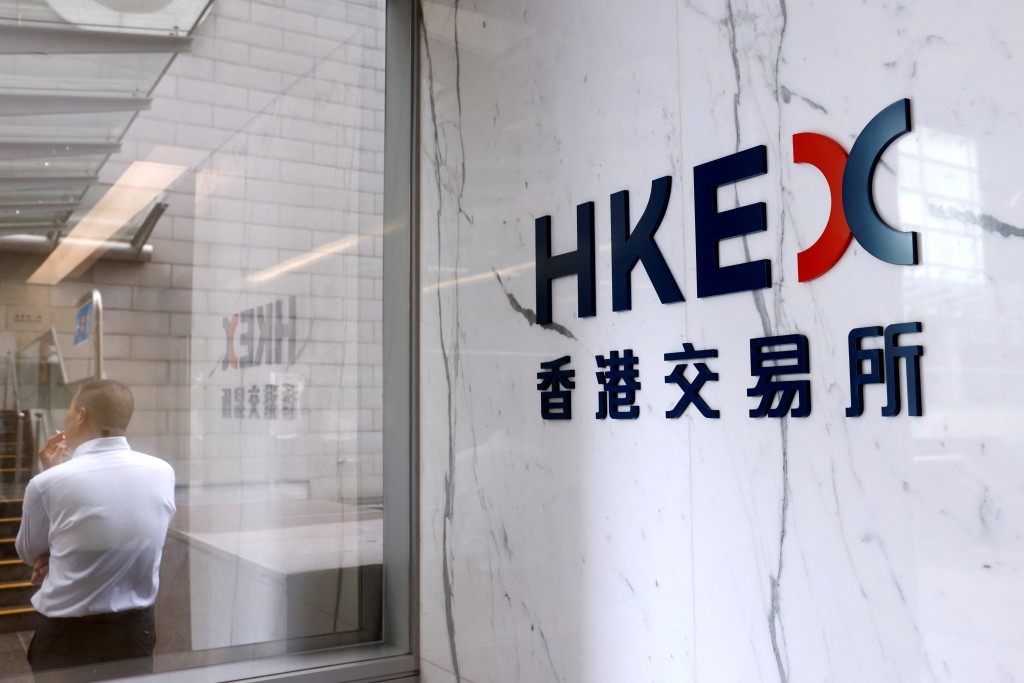
CSOP Asset Management will list its CSOP Solactive Asia AI Bottleneck Index Exchange Traded Fund on the Hong Kong Stock Exchange on Thursday, giving investors access to companies involved in some of the most specialised parts of Asia’s artificial intelligence hardware and semiconductor supply chains.
The ETF, trading under stock code 3499, is designed to track the performance of the Solactive Asia AI Bottleneck Index before fees and expenses. Each unit will be priced at HK$7.80, with a minimum trading unit of 100 shares. The fund will charge a management fee of 0.99 per cent.
The launch comes as demand for AI computing infrastructure continues to reshape the technology sector. While much of the public attention around artificial intelligence has focused on software, large language models and consumer applications, the systems supporting those technologies depend on a complex network of semiconductor manufacturers, equipment suppliers and specialist hardware companies.
CSOP is targeting that part of the market through the new ETF.
Focus on Asia’s AI Hardware Supply Chain
The fund will provide exposure to what CSOP describes as Asia Pacific “bottleneck champions”. These are companies operating in segments of the AI infrastructure and semiconductor supply chain where a relatively limited number of businesses possess the technology, manufacturing capabilities or market position needed to meet demand.
The ETF will mainly invest in companies listed in Taiwan, South Korea and Japan, three major Asian markets with established roles in the global semiconductor and technology industries.
The strategy is built around the idea that AI development depends not only on companies designing and deploying AI systems, but also on the physical infrastructure required to run increasingly demanding workloads.
That infrastructure includes semiconductors and other specialised components used in computing systems. As demand for AI processing grows, companies supplying these components can become important links in the wider technology chain.
The new ETF allows investors in Hong Kong to gain exposure to this segment through a single exchange traded product rather than purchasing individual companies separately.
Up to 30 Companies in the Index
The Solactive Asia AI Bottleneck Index will select as many as 30 eligible securities from the Solactive GBS Global Markets All Cap USD Index.
Constituents will be weighted according to their free float market capitalisation, which reflects the portion of a company’s shares available for public trading. However, the index limits the weight of any single company to 20 per cent.
That restriction is intended to prevent the performance of the ETF from becoming overly dependent on one stock.
The approach combines a concentrated thematic focus with a limit on individual company exposure. Rather than attempting to cover every part of the Asian technology sector, the index focuses specifically on companies considered relevant to AI infrastructure bottlenecks.
For investors, that distinction matters. The ETF is not designed as a broad Asia technology fund. Its portfolio will instead concentrate on companies linked to particular parts of the AI hardware and semiconductor supply chain.
Quarterly Rebalancing
The index will be reviewed and rebalanced on the last business day of February, May, August and November.
The quarterly schedule provides a regular mechanism for adjusting the portfolio as eligible companies and their market capitalisations change.
CSOP said the index will not make ad hoc adjustments based on short term market sentiment. This means changes to the portfolio will follow the index methodology and scheduled review process rather than being introduced simply because market expectations shift sharply over a short period.
That structure gives the ETF a rules based approach to portfolio construction. Companies enter or leave according to the eligibility requirements and index methodology, while the 20 per cent cap places a limit on individual stock exposure.
Why AI Hardware Matters to Investors
The growth of generative AI has increased attention on the physical infrastructure needed to train and operate increasingly sophisticated models.
AI systems require large amounts of computing power, and that computing power depends on specialised chips and other components. The expansion of data centres and AI applications has therefore created demand across multiple parts of the semiconductor and hardware industries.
Asia occupies an important position in this supply chain.
Taiwan is home to major semiconductor manufacturing and technology companies, while South Korea has a significant presence in memory chips and other electronic components. Japan also has deep expertise across semiconductor materials, equipment and advanced technology manufacturing.
The ETF’s focus on these three markets reflects their roles within the broader technology supply chain.
However, investors should also recognise that exposure to a specialised industry brings its own risks. Semiconductor companies can face sharp changes in demand, significant capital expenditure requirements, supply disruptions and fluctuations in global technology investment.
The performance of an AI focused ETF can therefore move differently from broader equity markets.
CSOP Sees Long Term Supply Constraints
Ding Chen, chief executive of CSOP Asset Management, said the company believes bottlenecks within Asia’s AI computing supply chain will remain strategically important.
“We believe Asia's AI compute supply chain bottlenecks remain strategically important, supported by their scarcity, structural demand growth and persistent supply constraints,” Chen said.
His comments point to the central investment theme behind the fund. CSOP is focusing on parts of the AI supply chain where demand could remain strong while the number of companies capable of supplying certain technologies or components remains relatively limited.
The strategy does not attempt to predict which individual AI application will become dominant. Instead, it focuses on the infrastructure required by a broad range of AI technologies.
That distinction could make the fund relevant to investors seeking exposure to the physical side of the AI expansion rather than only companies associated with AI software or consumer products.
New Option for Hong Kong Investors
The listing on the Hong Kong Stock Exchange gives local investors a straightforward way to access the theme through the ETF market.
The fund will trade under stock code 3499, with an initial share price of HK$7.80 and a minimum trading unit of 100 shares. The 0.99 per cent management fee represents the cost investors pay for the fund's management.
CSOP said the ETF provides Hong Kong investors with access to a specific part of the global AI infrastructure value chain.
The product also adds another thematic option to Hong Kong’s growing ETF market, where investors can gain exposure to particular industries, markets and investment themes through exchange traded funds.
For investors considering the new fund, the key features are its regional focus, its concentration on AI infrastructure and semiconductor bottlenecks, its maximum of 30 holdings, the 20 per cent single stock limit and its quarterly rebalancing schedule.
Those features define the fund more clearly than the broader label of an “AI ETF”. Its holdings will be shaped by the companies and industries that support the hardware side of artificial intelligence, with Taiwan, South Korea and Japan expected to account for much of the portfolio.
As AI systems continue to require greater computing capacity, the companies supplying the underlying hardware will remain an important part of the investment conversation.
The CSOP Solactive Asia AI Bottleneck Index ETF will give Hong Kong investors a new vehicle for accessing that theme when trading begins on Thursday. Would an ETF focused on Asia’s AI hardware supply chain fit your investment strategy?