

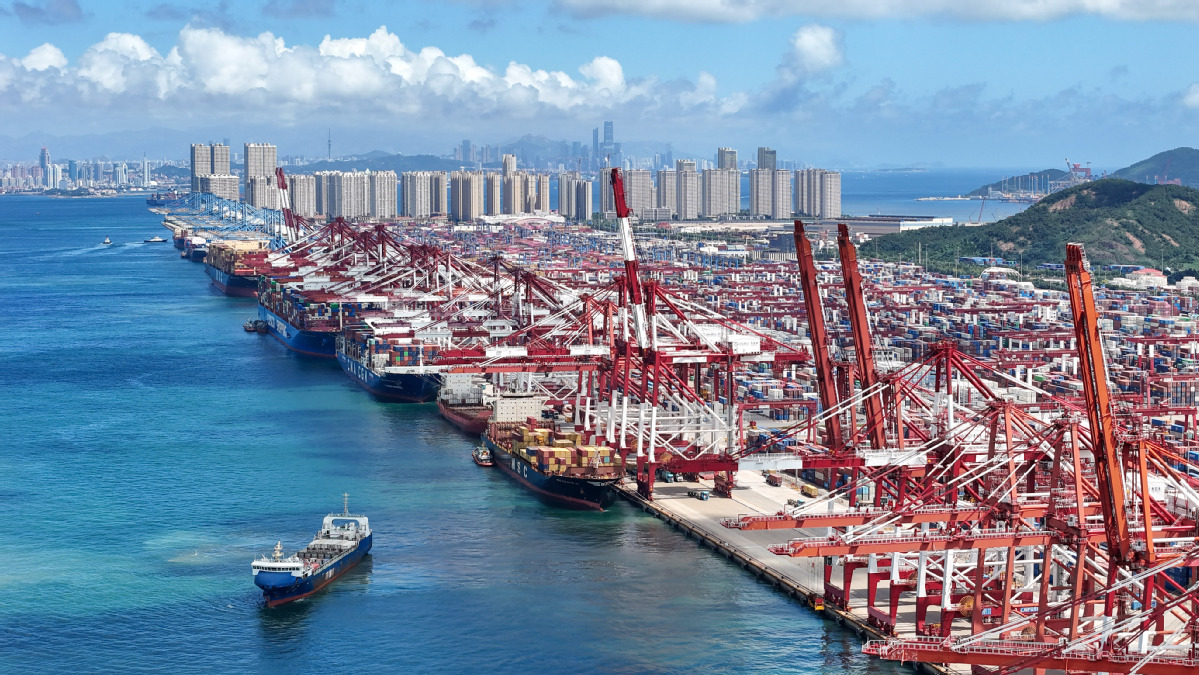
China and the United States have agreed to reduce tariffs on about $30 billion worth of goods from each side, with roughly 90 percent of products covered by the arrangement set to move to most favoured nation tariff rates.
The agreement emerged from the eighth round of China US economic and trade consultations held in New York and Washington from September 20 to 23. China’s Ministry of Commerce announced the details on Monday, saying the two countries had reached a series of understandings covering tariffs, trade, agriculture, investment and artificial intelligence.
Under the reciprocal tariff arrangement, each country will reduce duties on around $30 billion worth of imports from the other. The reductions will be implemented simultaneously once both governments complete their respective domestic procedures. The Chinese Ministry of Commerce said further details on the products and implementation schedule would be released later.
The agreement represents a new step in efforts by Beijing and Washington to manage their trade relationship after years of tariff disputes and retaliatory measures. It also comes as both sides continue discussions on a broader framework for their economic relationship.
Tariff reductions to cover most products in the arrangement
The central element of the latest understanding is the reciprocal tariff reduction arrangement covering about $30 billion in goods from each side.
According to the Chinese Commerce Ministry, tariffs on approximately 90 percent of the products covered by the arrangement will be reduced to most favoured nation rates. MFN treatment generally refers to the standard tariff rates applied under a country’s normal trade regime rather than additional duties imposed specifically in response to a trade dispute.
The measures will not take effect immediately. Both governments must first complete their internal legal and administrative procedures before implementing the reductions at the same time.
The ministry has not yet published the complete product list or detailed tariff schedule. That information is expected to clarify which industries and individual goods will benefit from the changes.
Chinese and US businesses have faced a complicated system of tariffs and trade restrictions in recent years, with additional duties affecting goods moving between the two markets. The new arrangement is intended to reduce some of those costs while creating a mechanism for continued negotiations.
Chinese officials said tariffs on US coal imports would also be included in the reciprocal framework. The arrangement is expected to facilitate Chinese imports of US coal during 2027 and 2028. Beijing said such imports would supplement China’s domestic coal supply while providing revenue and employment for the US coal industry.
Agricultural products will also feature in the framework. During earlier consultations in May, the two sides reached understandings on certain agricultural market access issues and non tariff barriers. Those products were subsequently considered for inclusion in the reciprocal tariff reduction arrangement.
Kuala Lumpur trade arrangement extended
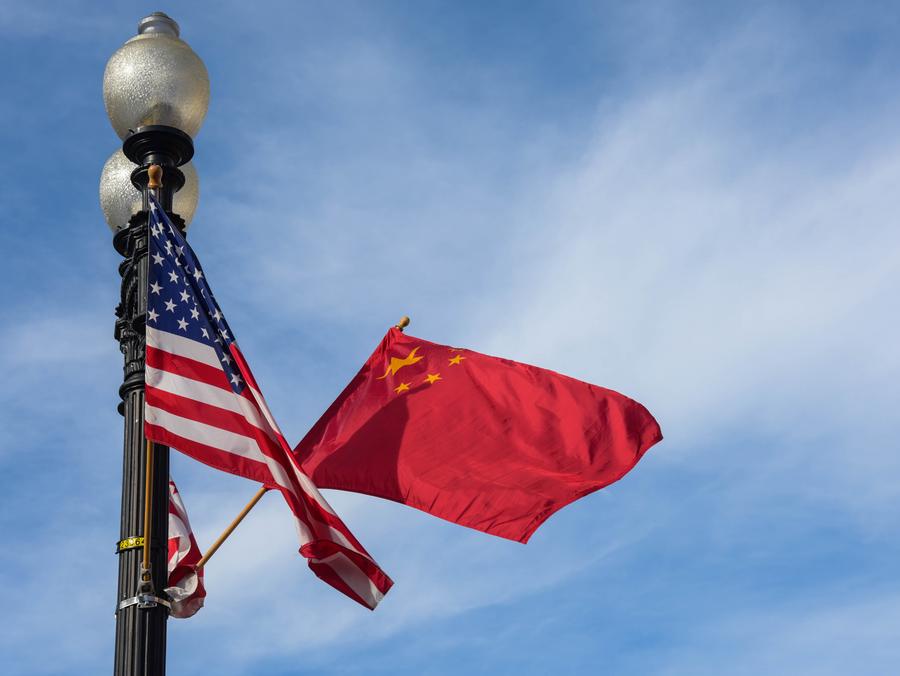
China and the United States also agreed to extend their Kuala Lumpur economic and trade arrangement.
The existing arrangement had been scheduled to expire on November 10, 2026. Under the latest understanding, it will remain in effect until January 10, 2027, while officials continue discussions on a longer term solution.
The extension gives negotiators additional time to work through unresolved trade matters without allowing the existing framework to expire while broader talks are still underway.
The latest consultations followed months of negotiations between economic officials from the two countries. The eighth round took place in New York and Washington between September 20 and 23, before the latest announcements on the wider economic relationship.
The Chinese government described the discussions as producing positive consensus across several areas rather than focusing solely on tariffs.
New China US Board of Trade planned
Beijing and Washington have also agreed to establish a China US Board of Trade under their existing economic and trade consultation mechanism.
The proposed board will provide a formal channel for officials to discuss bilateral trade and work through issues affecting commerce between the two economies.
Chinese officials said the two sides had agreed on the board’s mandate, structure, responsibilities and consultation arrangements. Further details are expected to be announced later.
An agricultural working group will operate under the board. It will focus on two way agricultural market access and regulatory matters, areas that have repeatedly featured in China US trade negotiations.
The first meeting of the agricultural working group is scheduled to take place before the end of 2026.
The creation of the group gives agricultural officials a dedicated forum for discussing market access issues rather than leaving them solely within broader trade negotiations.
For farmers, food producers, exporters and importers, those discussions could affect the practical conditions governing agricultural trade between the two countries. The precise impact, however, will depend on the products covered and the regulatory measures eventually agreed by both governments.
Investment talks to gain a separate channel
Investment is another area covered by the latest agreement.
China and the United States have agreed to establish a bilateral investment board under the economic and trade consultation mechanism. The board will provide a regular forum for discussing potential investment opportunities, barriers faced by companies and regulatory concerns.
The two sides also intend to improve policy transparency and predictability through the mechanism, according to the Chinese Commerce Ministry.
The investment channel comes as companies operating across the two markets continue to deal with changing regulations, national security reviews and restrictions affecting sensitive technologies and strategic industries.
The new board is expected to give officials a structured setting in which to raise those concerns and discuss possible solutions.
Beijing and Washington expand AI dialogue
Artificial intelligence will also receive its own communication channel.
China and the United States agreed to continue bilateral dialogue on AI, with another round scheduled before the end of November. The two sides also plan to establish a communication channel for incidents involving artificial intelligence.
The AI discussions form part of a wider effort to keep communication open on a technology sector that has become increasingly important to both economies.
The two countries have significant interests in AI development, investment and regulation, but they have also imposed restrictions affecting advanced technology and strategic supply chains. The new dialogue mechanism provides officials with a separate forum for discussing AI related risks, benefits and incidents.
The first session of the AI dialogue has already taken place, according to the Chinese Commerce Ministry. The next meeting is expected before the end of November.
A broader framework beyond tariffs
The latest agreements show that the China US economic discussions now extend well beyond individual tariff rates.
The two governments are creating separate mechanisms for trade, agriculture, investment and AI while extending an existing trade arrangement through January 2027. Together, those measures establish several channels through which officials can continue negotiating specific disputes.
The immediate tariff agreement remains subject to domestic procedures in both countries. Until those procedures are completed and the detailed product lists are published, businesses will not have the full picture of how the new rates will affect individual imports.
For companies engaged in China US trade, the next stage will therefore depend on the implementation details. The tariff reductions, the products covered, the timing of the changes and the work of the newly proposed boards will determine how the latest understanding translates into actual commercial conditions.
The first agricultural working group meeting before the end of 2026 and the next AI dialogue before the end of November will provide two early tests of how the new mechanisms operate.
What impact could the new tariff reductions and trade mechanisms have on businesses and consumers in China and the United States?