

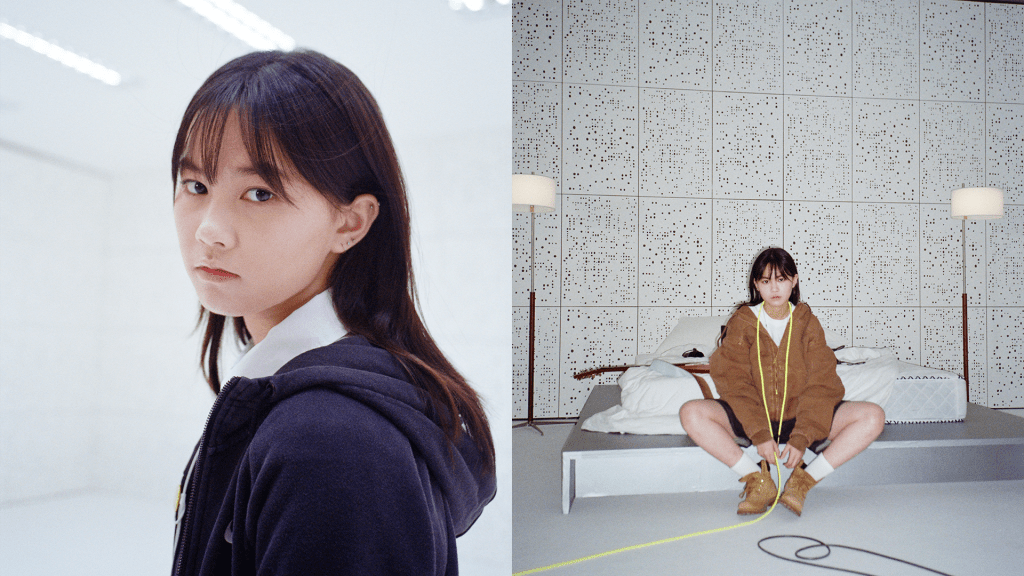
Dale Wong has performed alongside Nicholas Tse Ting fung in front of concert audiences, earning attention as a talented young guitarist. But the 19 year old Hong Kong musician wants people to remember more than her performances with the established singer. She wants them to hear her own songs, understand her ideas and discover an artist who is still finding her voice.
Her appearance at the Evolution Nic Live concert brought her into the spotlight, with much of the attention linking her name to Tse. Wong welcomes the recognition, particularly as she continues touring with him in 2026. Yet her ambitions reach beyond playing guitar for another artist. She wants to create music that reflects her own experiences and gives listeners a clearer sense of who she is.
“Even when I was a guitarist, I always wanted to release my own work,” Wong said. “There are things I want to say and express. Just standing there and playing guitar isn’t enough to say everything.”
That desire for creative freedom is shaping her next steps. While live performances have introduced her to a wider audience, her original music gives her a different way to connect with listeners. Instead of communicating through guitar alone, she can combine lyrics, melodies and atmosphere to express ideas that matter to her.
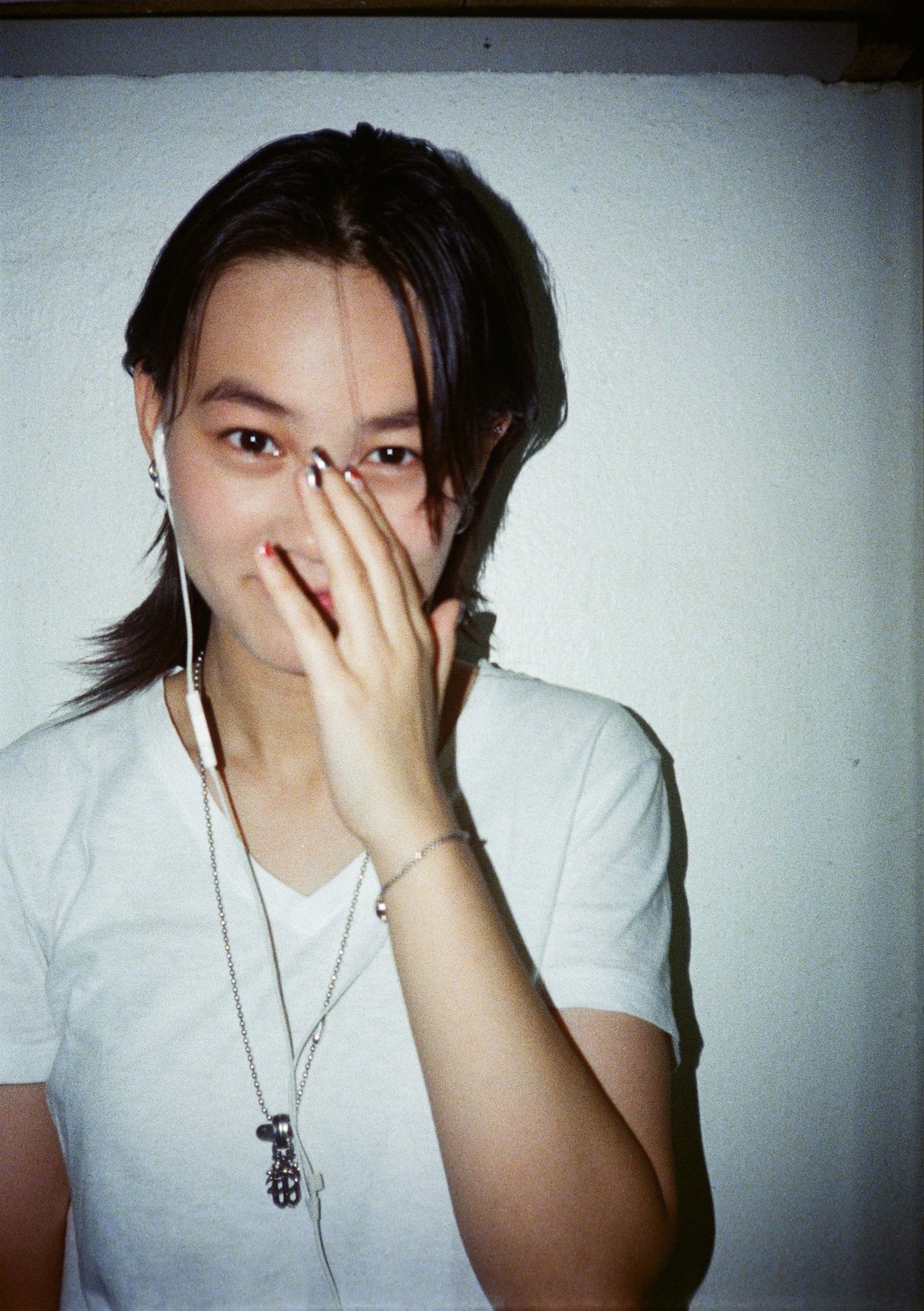
Why Dale Wong Wants to Make Her Own Music
For Wong, the difference between being a guitarist and working as a singer songwriter comes down to personal expression.
When she plays for another artist, she considers what the music requires and adapts her performance to suit that vision. Every guitar part must work with the arrangement and support the song rather than draw attention away from it.
Writing her own music gives her greater control. She can bring her thoughts directly into the creative process without having to fit them around someone else's expectations.
“I prefer making my own work,” she said. “It is closer to what I think, and everything comes together more naturally.”
That freedom allows Wong to explore subjects that might not fit into the role of a supporting musician. Her guitar remains an important part of her identity, but songwriting gives her another way to communicate with an audience.
Her experience performing alongside Tse also places her in a position to understand the relationship between musicians, songs and live audiences. However, establishing herself as an independent artist requires something different: original material that listeners can associate with her rather than with the performer she accompanies.
One of her clearest steps in that direction arrived in March 2026, when she released Do I Have to Wait for the Notification to Leave? (難道要等收到通知那天我才走), a song she co wrote.
The track introduces listeners to the questions and emotions she wants to explore through her own music.
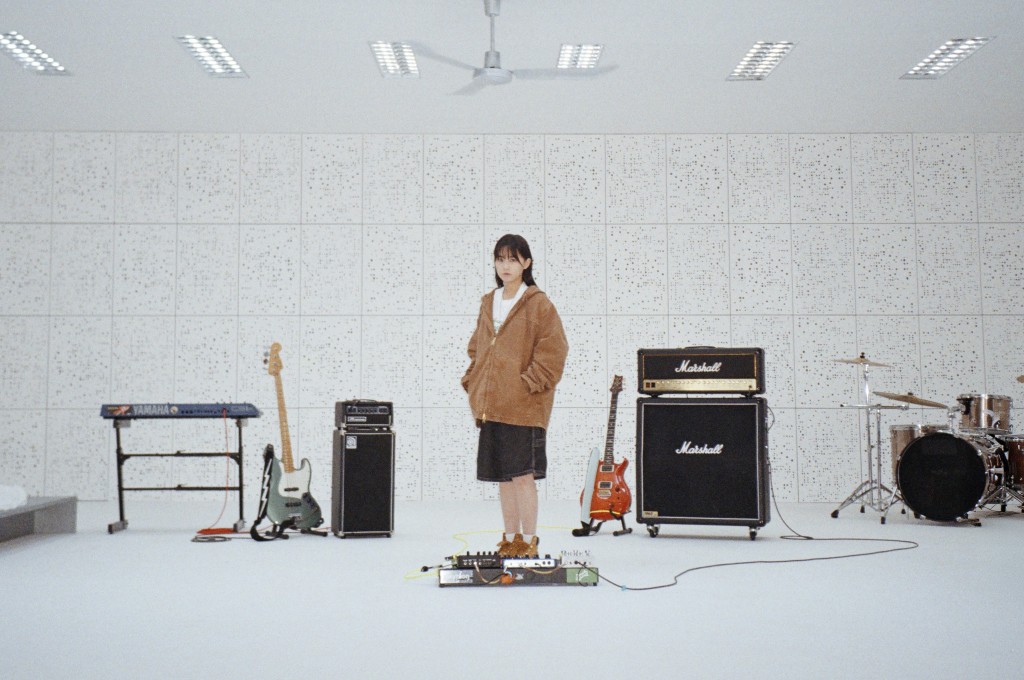
The Meaning Behind Dale Wong’s Latest Song
The title Do I Have to Wait for the Notification to Leave? sounds like a question about waiting for permission. Its meaning, however, reaches beyond a literal notification.
Wong developed the idea from observations of everyday life, particularly the way people enter and leave our lives. Friends move away, relationships change and circumstances bring people together before eventually taking them in different directions.
Some departures happen suddenly. Others develop so gradually that people may not recognise the change until a connection has already faded.
Wong is interested in what happens when people feel they need a clear signal before moving on. Her song challenges that assumption, suggesting that a person does not always need an announcement or another person's approval to make a decision.
“You don’t need to wait for a notification. You have the freedom to choose where you want to go,” she explained.
For Wong, leaving does not necessarily mean physically going somewhere else. It could mean stepping away from a social circle, ending a chapter in life or choosing a different path from the one others expect.
The idea gives the song a personal quality while allowing listeners to connect it to their own experiences. Someone might hear it as a reflection on friendship, while another listener might relate it to a difficult decision about work, relationships or personal direction.
The music reinforces that reflective mood. The introduction lasts one minute and 23 seconds before the lyrics begin, allowing the instrumental arrangement to establish a dreamy atmosphere.
Rather than rushing into the central message, Wong gives the listener time to settle into the sound. The extended opening places the guitar and surrounding textures at the centre of the experience before the vocals introduce the song's words.
It is a deliberate musical choice that reflects her interest in atmosphere as a form of expression. The instrumental passage is not simply a way to fill the time before the singing starts. It helps establish the emotional setting in which the lyrics unfold.
For an artist who wants to communicate more than words alone can express, that balance between sound and meaning is particularly relevant.
Radiohead, Shoegaze and a Sound of Her Own
Wong's musical identity is still developing, and she does not want to restrict herself to a single genre.
She describes her sound as a blend of rock and dreamier elements, with an interest in finding a space between indie music and pop. That approach leaves room for experimentation while allowing her guitar playing to remain a defining feature.
Radiohead is among the artists who inspire her. The band's willingness to explore different arrangements, textures and musical directions appeals to Wong as she considers what her own work might become.
She is also interested in shoegaze, a genre associated with layered guitars, hazy soundscapes and immersive production. Its emphasis on texture and atmosphere offers possibilities for an artist who wants listeners to experience music emotionally as well as lyrically.
Wong finds something familiar in the genre's blurred quality. Her own thoughts and emotions can sometimes feel difficult to separate or explain, and she sees a connection between that experience and the atmospheric sounds she hopes to explore.
Instead of trying to make every feeling immediately clear, she wants to experiment with sounds that leave room for interpretation.
“There are some sounds that people may not normally hear in their everyday lives,” she said. “I want to use my music to introduce those sounds to them.”
That ambition could help distinguish her work as she develops. Rather than simply reproducing familiar musical styles, Wong wants to introduce audiences to sounds they might not encounter in their usual listening habits.
Her interest in different genres also suggests that she is more concerned with finding the right sound for each idea than with maintaining a fixed musical formula. As her songwriting develops, she can draw on rock, indie, pop and shoegaze without necessarily belonging to just one category.
For listeners discovering her beyond her live guitar performances, that experimentation offers another reason to follow her original releases.
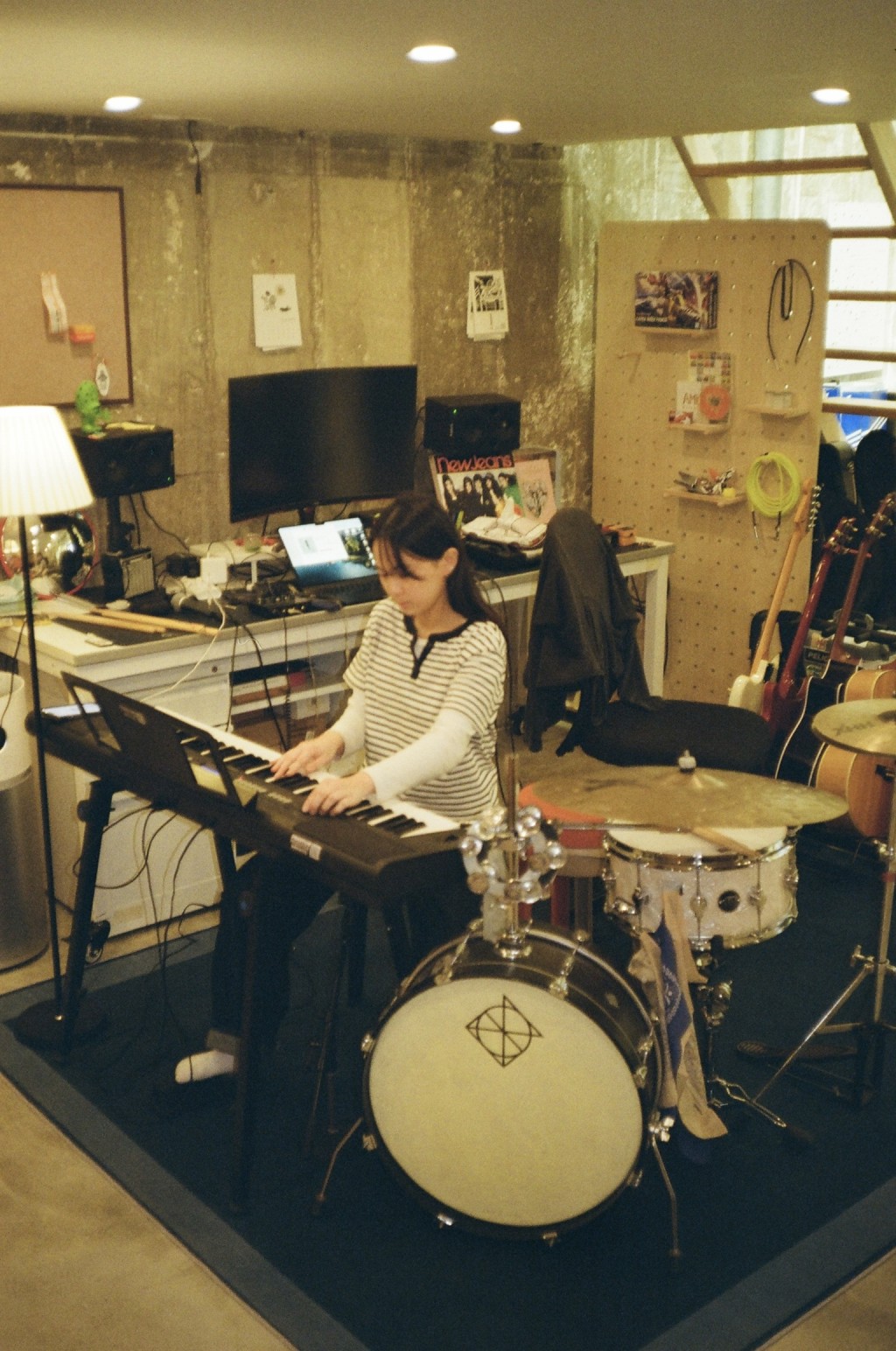
Can Hong Kong’s Indie Music Scene Make Room for Different Sounds?
Wong remains an independent musician, although she is open to signing with a record label. She would consider working with one if it understood her musical direction and gave her room to develop without imposing expectations that conflicted with her creative goals.
For emerging artists, label support can offer access to resources and opportunities. Finding a suitable partner, however, means considering more than the chance to reach a larger audience. Wong wants an arrangement that supports her individuality rather than pushing her towards a sound she does not want to make.
She also sees challenges in Hong Kong's independent music scene. In her view, audiences can be more accustomed to familiar musical styles, which may make it harder for artists experimenting with less conventional sounds to attract listeners.
An unfamiliar arrangement or an atmospheric track that takes its time may require a different kind of attention from a song built around an immediate chorus. For independent musicians, connecting with the right audience can therefore take time.
Wong does not seem interested in changing her artistic preferences simply to fit expectations.
She describes herself as “a person who lives in her own world”, someone with her own thoughts and her own way of doing things.
That independence is reflected in her interest in music that does not fit neatly into one genre. Rather than settling on a recognisable formula, she wants to keep exploring sounds that feel authentic to her.
The challenge is to bring that individuality to listeners while building a sustainable career. Her performances with Tse have already given her exposure, but her original songs will help audiences decide what they think of Wong as an artist in her own right.
Her March 2026 release offers an introduction to that side of her work. Future releases could give her further opportunities to develop her sound and reach listeners who connect with her songwriting.
Dale Wong Wants Her Music to Help Others Be Themselves
Wong's ambitions extend beyond writing songs and building a name in the music industry. She also wants her work to make a difference to the people who hear it.
She sometimes receives messages from fans who say that watching her perform has made them happy or helped them through difficult moments. For a musician, those responses offer a reminder that a performance can mean something different to every person in the audience.
A concert may provide an evening of entertainment for one listener and a welcome distraction from personal difficulties for another. Even a brief moment of connection can stay with someone after the music ends.
Wong hopes her original songs can create similar connections by giving listeners space to recognise their own feelings and experiences.
Her message to fans is straightforward. People should feel free to explore their interests and make choices that reflect who they are, rather than constantly worrying about what others might think.
“You can listen to whatever you want, play the music you like, wear the clothes you like. Everything,” she reflected.
The idea also explains why developing her own musical identity matters to her. Wong is not turning away from the guitar performances that introduced her to a wider audience. She is using that experience as a starting point for something more personal.
Touring with Nicholas Tse has helped bring attention to her playing. Her songwriting, meanwhile, allows her to show audiences what lies behind the instrument: her thoughts about relationships, her interest in unconventional sounds and her desire to make music on her own terms.
At 19, she is still exploring what that identity will become. Her willingness to experiment with rock, indie music and shoegaze suggests that she does not intend to settle on one sound simply because it is familiar.
The next stage of Dale Wong's career will depend in part on how she develops those ideas into more original releases and connects with listeners beyond the concert stage.
Have you listened to Dale Wong's song Do I Have to Wait for the Notification to Leave? Share your thoughts, and tell us which Hong Kong musicians deserve more attention.