

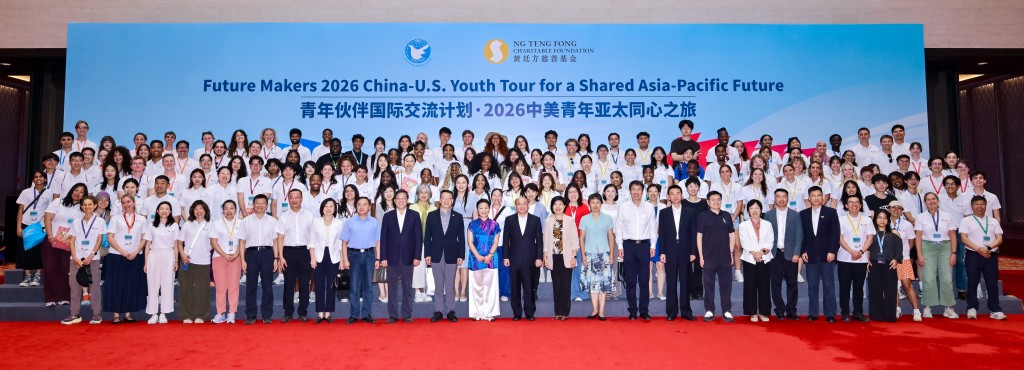
Chinese President Xi Jinping has encouraged nearly 100 students from 10 US universities to continue building understanding between Chinese and American people after their weeklong visit to China.
The students wrote to Xi after taking part in the Future Makers 2026 China-US Youth Tour for a Shared Asia-Pacific Future, sharing their experiences and expressing a willingness to promote friendship between the two countries. In his reply, Xi said he was pleased to learn that the students had enjoyed their time in China and called on young people from both countries to contribute to greater mutual understanding and continued cooperation. (State Council of China)
The exchange comes during China’s year as host of the Asia-Pacific Economic Cooperation, or APEC, activities. The programme brought together 170 young people, including 100 students from 10 US universities and 70 young participants from Beijing and Shandong. (PR Newswire)
Xi responds to students after China visit
According to the Chinese government, the US students’ letter described their appreciation for Chinese civilisation, their hopes for friendly cooperation between China and the United States and their intention to serve as “envoys of friendship” between the two countries.
Xi said young people in China and the United States share responsibilities for the future and urged them to join other young people in promoting friendship and mutual understanding.
He also linked youth exchanges to the longer-term development of relations between the two countries, saying young people could contribute to stronger connections between the Chinese and American peoples. (State Council of China)
The response gives the latest China-US youth exchange programme a higher profile at a time when official relations between Beijing and Washington remain an important area of international diplomacy.
Rather than focusing only on government officials and formal diplomatic meetings, youth exchange programmes bring students into direct contact with another country’s history, culture, universities, businesses and technology.
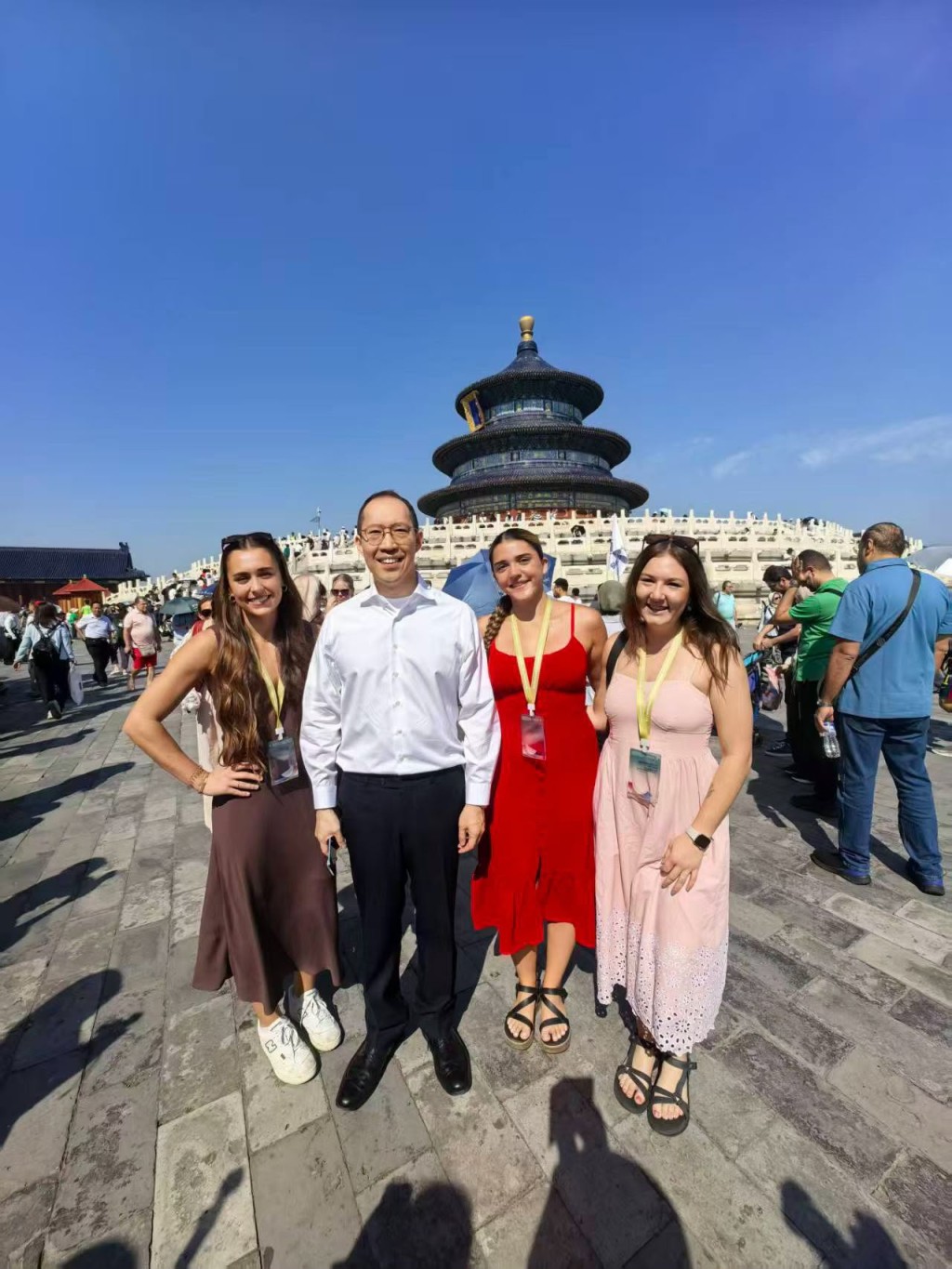
Seven days across Jinan, Qufu and Beijing
The Future Makers programme ran from September 1 to 7, taking participants to several locations in Shandong province and Beijing.
The tour was organised by the Beijing NGO Network for International Exchanges and the Ng Teng Fong Charitable Foundation, with support from the Beijing Municipal Government’s Foreign Affairs Office and Chinese diplomatic missions in the United States.
The US participants came from universities including Harvard University, Columbia University, the University of Chicago and the University of Washington. Other participating institutions included American University, Central Michigan University, Kentucky State University, Saint Peter’s University, the University of California, Davis and the University of California, Riverside. (PR Newswire)
The programme combined cultural visits with discussions and tours focused on technology and innovation.
In Jinan, participants attended the Asia-Pacific Civil Society Conference before travelling to Qufu, a city closely associated with Confucius and Chinese philosophical tradition.
There, they visited Nishan Sacred Land and the Temple and Mansion of Confucius. Students also took part in cultural activities and discussions with students from Qufu Normal University.
The conversations included ideas about cultural values and the concept of “harmony in diversity”, giving participants an opportunity to discuss how historical ideas continue to influence Chinese society.
From Confucius to artificial intelligence
The programme was designed to show participants more than China's historical sites.
After visiting cultural landmarks, the students toured facilities connected with robotics, autonomous driving and electric vehicle production.
At Beijing E-Town Robot World, participants saw humanoid robots and learned about developments in robotics and artificial intelligence. They also visited the Beijing High-Level Autonomous Driving Demonstration Area, where they examined applications of autonomous mobility.
Another stop was the Xiaomi Auto Factory, where the group saw electric vehicle manufacturing and smart production processes. (PR Newswire)
The contrast between ancient cultural sites and modern industrial facilities formed one of the central features of the tour.
Students could move from discussions about Confucian thought and Chinese heritage to demonstrations of technologies that are shaping new industries.
For participants who had previously encountered China largely through media coverage or classroom study, the experience provided direct exposure to places and activities that are difficult to understand fully from a distance.
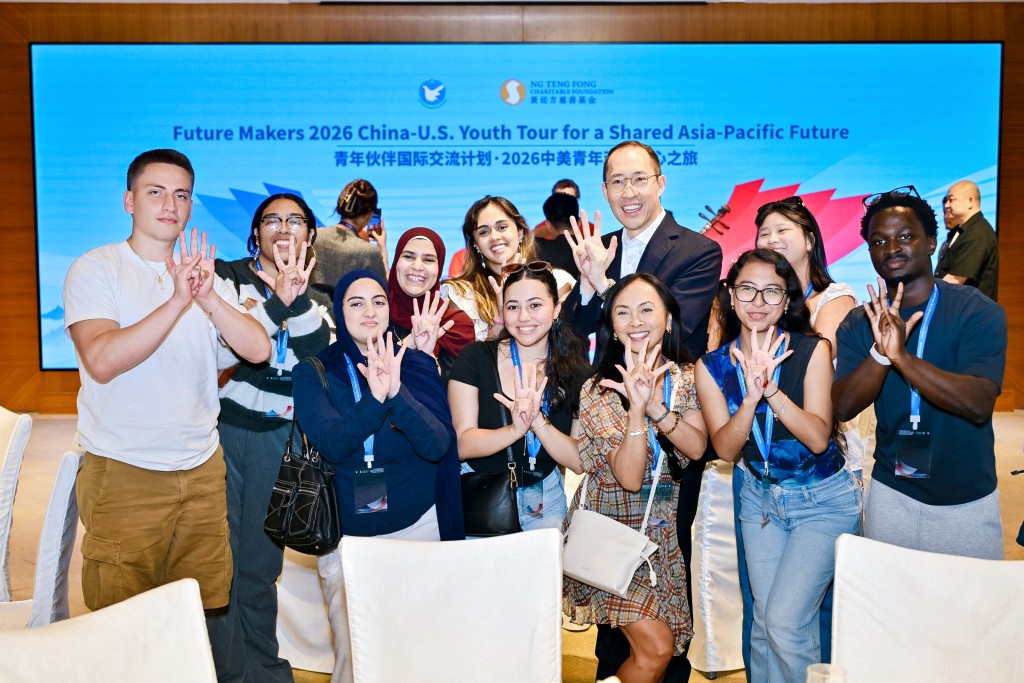
Students discuss culture and cooperation
University discussions formed another part of the exchange.
At Qufu Normal University and Tsinghua University, Chinese and American students discussed subjects including cultural identity, youth responsibilities, technological development, sustainability and cooperation in the Asia-Pacific region. (PR Newswire)
The organisers presented these conversations as an opportunity for young people from different national backgrounds to meet without the formal structure of government-to-government diplomacy.
Several participants also spoke publicly about their impressions.
A University of Chicago student identified as Henry described the historical sites as an eye-opening experience, while a University of Washington participant, Leif, said he was struck by the scale and preservation of China's cultural heritage.
Zora, a student from Kentucky State University, focused on the technology side of the programme, saying she was impressed by the level of advanced technology she encountered. Grace, from Central Michigan University, said differences between the participants' countries did not prevent them from forming connections. (PR Newswire)
Such comments point to one of the programme's central aims: giving students the opportunity to develop views of another society through direct contact rather than relying entirely on secondhand information.
Trees planted at Yanqi Lake
One of the programme's most symbolic moments came at Yanqi Lake in Beijing, where Chinese and American participants planted white-bark pine trees.
The location has particular significance because Yanqi Lake hosted the 2014 APEC Economic Leaders' Meeting when China last hosted the forum.
Twelve years later, during China's 2026 APEC host year, the students returned to the site as part of a youth exchange centred on China-US relations and the wider Asia-Pacific region. The tree planting was presented as a symbol of friendship and shared aspirations among young people from the two countries. (PR Newswire)
The organisers described the initiative as a “Forest for Tomorrow”, linking the physical act of planting trees with the longer-term relationships participants could maintain after returning home.
Daryl Ng welcomes Xi's response
Daryl Ng Win-kong, chairman of Sino Group and director of the Ng Teng Fong Charitable Foundation, welcomed Xi's response to the students.
Ng described the reply as a “great honor and a tremendous source of encouragement” and said the foundation would continue supporting international youth exchanges and dialogue.
The foundation was one of the two organisations that co-hosted the Future Makers programme.
For the organisers, the exchange represents an effort to create opportunities for young Chinese and Americans to meet, discuss differences and identify areas of common interest.
The programme also reflects the wider role that educational and cultural exchanges can play in China-US relations. Students who participate in such programmes may later enter fields including business, academia, technology, government, journalism and international organisations, potentially carrying those personal experiences into their professional lives.
A youth exchange with a broader message
The Future Makers tour ended after seven days, but the participants' letter to Xi and his subsequent response have extended the programme beyond the original itinerary.
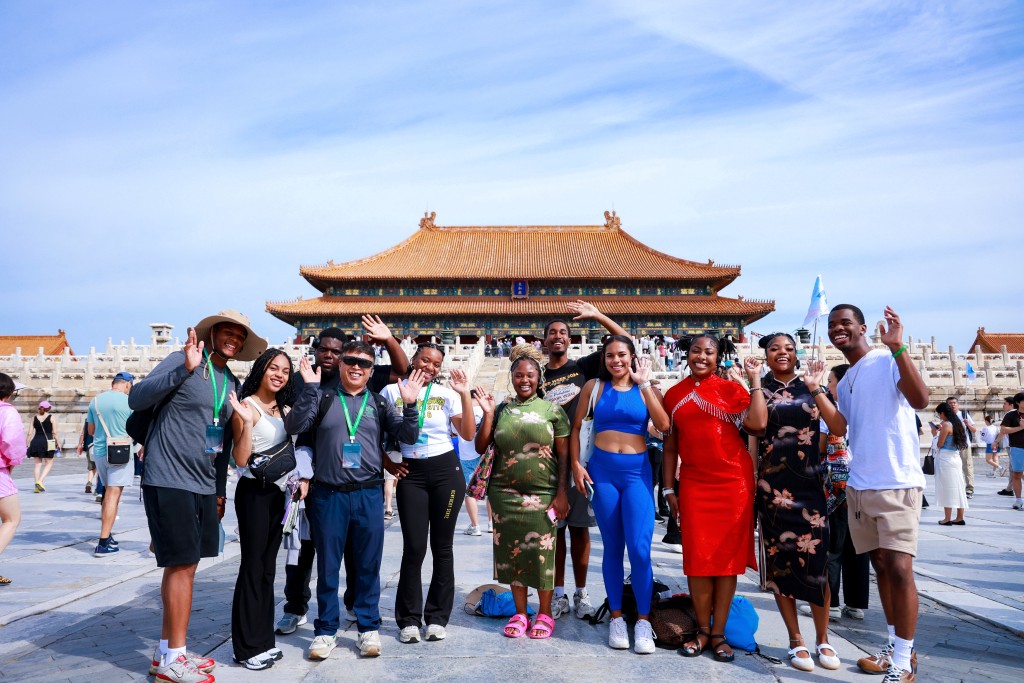
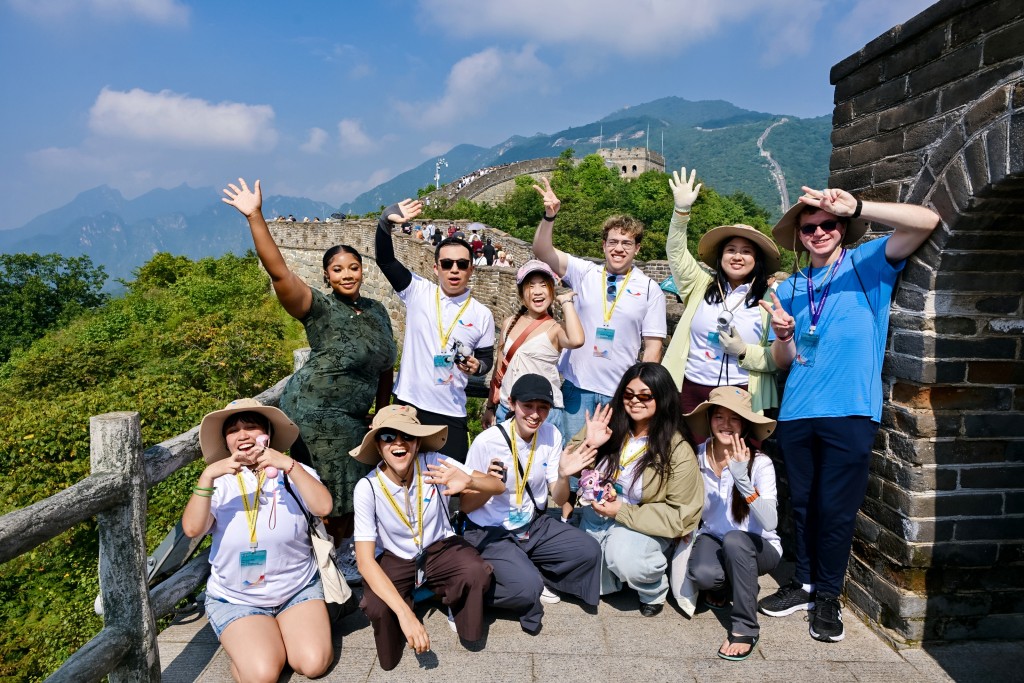
The students visited some of China's most recognisable historical sites, including the Forbidden City, the Temple of Heaven and the Mutianyu section of the Great Wall. They also experienced university discussions, technology demonstrations and industrial facilities.
The combination was intended to give participants a broader view of China, moving from its historical and cultural traditions to its present-day technological development.
For China and the United States, exchanges of this kind operate at a different level from formal diplomatic negotiations. They cannot resolve major disagreements between governments, but they can create direct relationships between people who may otherwise encounter each other's countries only through news coverage, political debate or academic study.
Xi's message to the students places particular emphasis on that people-to-people connection. The US students, meanwhile, have said they want to continue contributing to China-US friendship after returning home.
The question now is how many of those new relationships will continue beyond the tour. Can youth exchanges such as Future Makers 2026 turn short visits and personal connections into sustained academic, cultural and professional dialogue between the next generation of Chinese and American leaders?