
Chinese President Xi Jinping has called for major progress in healthcare reform, disease prevention and access to medical services, setting out China’s health priorities for the next five years. Under the Healthy China Initiative, the country aims to improve public health and strengthen its medical system during the 15th Five Year Plan, which runs from 2026 to 2030.
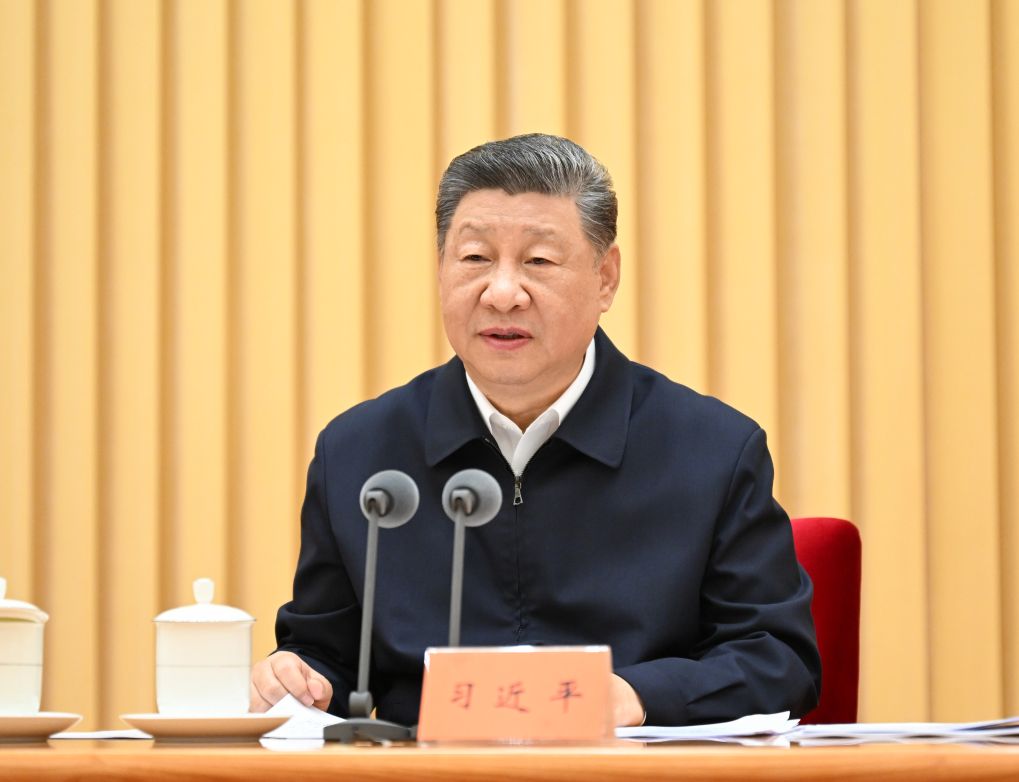
Speaking at a national health meeting in Beijing on Monday and Tuesday, Xi said the health of the population was a key measure of a nation’s prosperity and strength. He urged officials to make healthcare a priority across government policy, improve the quality of medical services and ensure that people can receive effective treatment closer to home.
Xi, who is also general secretary of the Communist Party of China Central Committee and chairman of the Central Military Commission, outlined a broad agenda covering preventive healthcare, traditional Chinese medicine, medical research, health insurance and professional training.
His message was clear: China must continue developing its healthcare system while making public health a greater part of its overall development strategy.
Xi Jinping Wants Prevention at the Centre of China’s Healthcare System
Preventing illness before it becomes serious was one of the main priorities in Xi’s address. He described prevention as the most cost effective and efficient way to protect public health and called for greater attention to basic healthcare and risks at their source.
This approach puts more emphasis on helping people stay healthy rather than relying only on hospitals and medical treatment after illness develops. Public awareness, early action and stronger preventive services can all contribute to reducing health risks.
Xi urged people to develop a sound understanding of health and take an active role in managing their own well being. His remarks suggest that public health education and individual responsibility should work alongside government services and professional medical care.
However, prevention also requires effective public health systems. Authorities need to identify risks, communicate reliable information and respond when diseases threaten communities.
Xi called for a stronger disease prevention and control system to guard against large scale outbreaks. The goal is to strengthen the country’s ability to protect public health and respond to threats before they spread widely.
For China, the challenge during the 2026 to 2030 period will be to turn these priorities into effective services and consistent public health practices. The meeting summary did not specify new prevention targets or provide details of additional programmes.

China Plans to Improve Access to Medical Services
Xi also called for changes to the structure and responsibilities of medical institutions so that people can access healthcare closer to home.
For patients, the location and availability of medical services can affect when they seek treatment and how easily they receive it. Travelling long distances for medical appointments can create difficulties, particularly for people who need repeated consultations or ongoing care.
Improving access to nearby services could help address some of these challenges. Xi also stressed that patients should receive effective treatment, making the quality of care as important as its availability.
His call for adjustments to medical institutions points to a wider effort to improve how healthcare services are organised. Better coordination among institutions could help patients obtain appropriate treatment and make the healthcare system more responsive to public needs.
Xi further called for improvements in the patient experience. This means healthcare development must consider how people receive and access services, rather than focusing only on facilities or the overall size of the medical system.
The speech did not specify how many facilities might be added or what structural changes would be introduced. It established more accessible medical care and better treatment as priorities for the next five years.
Traditional Chinese Medicine and Medical Research Remain Priorities
China’s healthcare plans will also include the preservation and further development of traditional Chinese medicine.
Xi called for stronger mechanisms to protect this medical tradition while encouraging innovation. His remarks placed traditional Chinese medicine alongside wider efforts to strengthen scientific research and improve healthcare services.
He also urged greater investment in basic research and original innovation across the health sector. Research can help expand medical knowledge, improve understanding of diseases and support the development of new approaches to treatment.
The call for innovation is part of a broader healthcare agenda that seeks to improve the quality of medical services. Xi also emphasised the patient experience, linking healthcare development to the needs of people who use the system.
His address did not announce specific research funding, new medical technologies or measurable innovation targets. Instead, it set out a general direction for combining the development of traditional Chinese medicine with further research and innovation.
The practical impact will depend on how these priorities are translated into research programmes, medical practice and services for patients.

Xi Calls for Better Coordination of Hospitals, Insurance and Medicines
Reforming China’s healthcare system will also require closer coordination among medical services, medical insurance and pharmaceuticals, Xi said.
These three areas are connected. Medical institutions provide treatment, health insurance helps cover healthcare costs, and pharmaceutical policies affect the availability and use of medicines. Changes in one area can influence how the others function.
Xi identified coordination among these sectors as a priority for healthcare reform. The aim is to make the different parts of the system work together more effectively.
For patients, the performance of a healthcare system depends on more than the availability of hospitals. Access to treatment, insurance arrangements and medicines can all shape the experience of receiving care.
Closer coordination could help authorities address problems that emerge when medical services, insurance and pharmaceutical policy are managed separately. However, Xi’s speech did not provide details of specific insurance changes, medicine pricing measures or hospital payment reforms.
The address instead established coordination as a guiding principle for the next phase of China’s healthcare development.
China Seeks More Qualified Healthcare Professionals
Xi also called for efforts to train and develop enough highly qualified medical professionals to meet the country’s healthcare needs.
Doctors, nurses and other healthcare workers are essential to delivering effective treatment and maintaining public health services. Better facilities alone cannot guarantee better outcomes if trained professionals are not available to provide care.
Workforce development is therefore closely connected to the other priorities outlined at the meeting. Improving access to medical services, strengthening disease prevention and advancing medical research all depend on professional knowledge and skills.
Xi did not announce a specific recruitment target or provide figures for the number of medical professionals China intends to train. His remarks identified the development of a qualified workforce as part of the country’s wider healthcare agenda.
The focus on professional training also reinforces the need to improve the quality of care as China develops its medical system.

China Calls for International Cooperation on Public Health
Xi said China would work towards building a global community of health for all and cooperate with other countries to address major healthcare challenges.
Public health concerns can extend beyond national borders. Cooperation between countries can support efforts to address shared threats, exchange knowledge and improve health outcomes.
Xi called for continued international work to improve the health and well being of people around the world. His remarks placed international cooperation alongside domestic priorities such as prevention, medical access and healthcare reform.
The meeting summary did not identify new international agreements, funding commitments or specific joint programmes. It set out China’s stated intention to work with other countries on major health challenges.
Healthy China Initiative Sets Direction for 2026 to 2030
Xi said China had made significant progress in healthcare since the 18th National Congress of the Communist Party of China in 2012, when the decision to launch the Healthy China Initiative was made.
According to Xi, the country has developed the world’s largest systems for medical services, traditional medicine, disease prevention and control, and healthcare security. He described the progress as historic while calling for further improvements across the health sector.
The next five years will focus on preventive healthcare, access to treatment, medical research, traditional Chinese medicine, workforce training and coordination among medical services, insurance and pharmaceuticals.
The government also aims to improve patient experiences and strengthen international cooperation on public health.
Although Xi outlined the direction of China’s healthcare policy, the meeting summary did not provide detailed implementation targets for each area. Progress will depend on how these priorities are translated into practical reforms and improvements in medical services.
As China advances the Healthy China Initiative through 2030, which should come first: stronger disease prevention, more accessible hospitals or affordable medical treatment?