

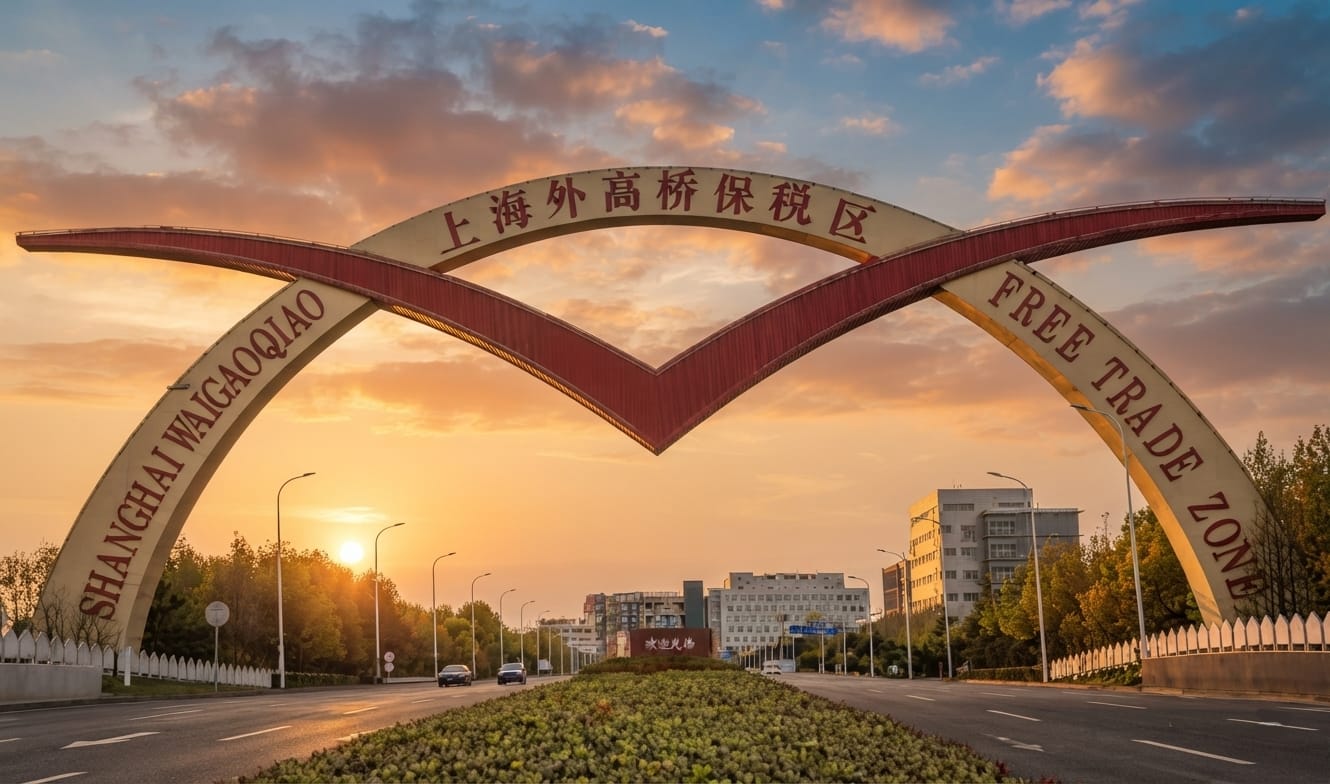
China's State Council on Wednesday approved a comprehensive set of financial market liberalisation measures for the Shanghai Free Trade Zone's Lingang Special Area, the most significant expansion of foreign financial institution access in the zone since its establishment in 2019. The package introduces full foreign equity ownership rights in fund management and insurance operations, removes remaining restrictions on cross-border renminbi lending, and creates a new international asset management platform allowing foreign managers to pool capital across borders with reduced regulatory friction.
Key Liberalisation Measures
Foreign fund management companies previously restricted to 49 percent equity stakes in joint ventures will be permitted to establish wholly foreign-owned fund management enterprises within the Lingang zone effective January 1, 2027. Several global asset management firms including BlackRock, Fidelity and Vanguard have already confirmed they are advancing applications to establish operations under the new framework.
The removal of caps on cross-border renminbi lending represents a significant expansion of the zone's role in internationalising the Chinese currency. Under the new rules, financial institutions operating in Lingang may extend renminbi-denominated loans to overseas entities without the previously binding quotas, subject to compliance with the People's Bank of China's macro-prudential assessment framework for cross-border capital flows.
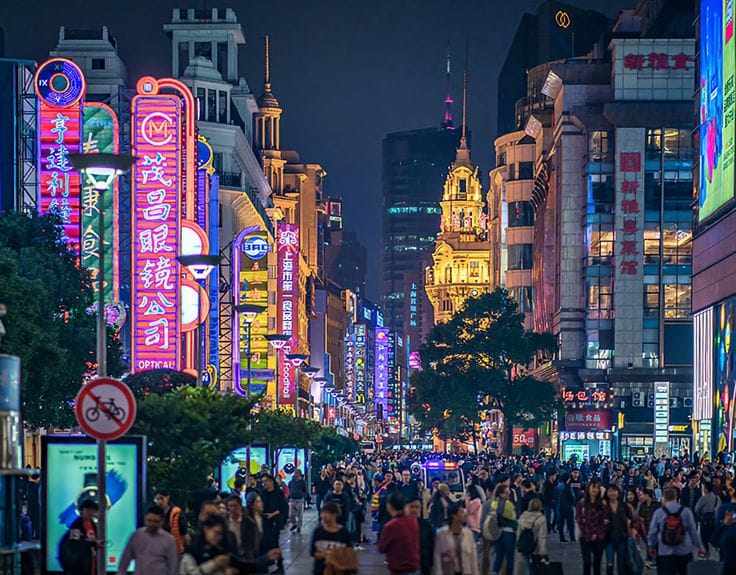
Shanghai's Pudong district and the Lingang Special Area have been designated as China's primary testing ground for financial market liberalisation.
The International Asset Management Platform
The centrepiece of the announcement is a new International Asset Management Platform, designed to allow foreign asset managers licensed in Lingang to raise capital from international investors and deploy it across global markets with streamlined cross-border capital flow approvals. Shanghai Mayor Gong Zheng described the platform as "a pivotal step toward establishing Shanghai as a genuinely international financial centre competitive with London, New York and Hong Kong."
The platform will operate under a dedicated regulatory sandbox overseen by the China Securities Regulatory Commission and the Shanghai Financial Regulatory Bureau, with participants subject to enhanced reporting requirements but exempt from certain domestic fund registration procedures that have previously created operational barriers for global fund managers seeking Chinese market access.
Insurance Sector Opening
Foreign insurance companies will for the first time be permitted to establish wholly owned life insurance and reinsurance subsidiaries in Lingang without the prior requirement for a Chinese joint venture partner. This reversal of a longstanding policy requirement has been welcomed by international insurers including AIA, Prudential, and Allianz, which have all signalled intention to expand their Chinese operations under the new framework.
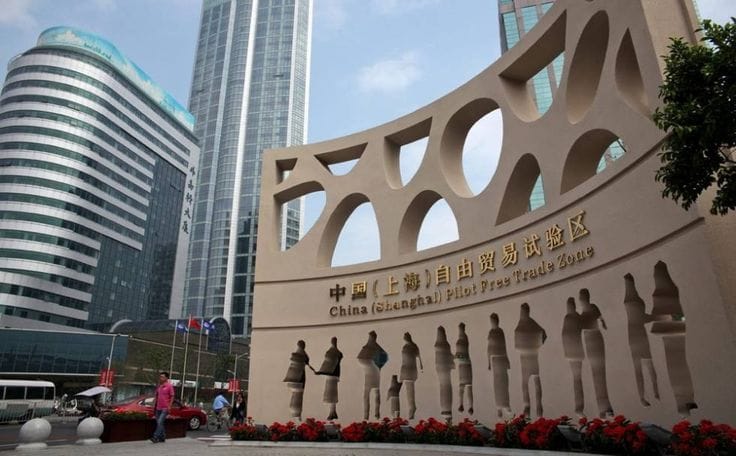
Global asset managers including BlackRock and Fidelity have confirmed they are advancing applications under Shanghai's new foreign ownership framework.
Hong Kong's Position and Complementarity
Financial analysts have raised questions about whether Shanghai's liberalisation measures will intensify competition with Hong Kong for the role of China's preferred international financial gateway. Hong Kong Monetary Authority Chief Executive Eddie Yue was measured in his response, arguing that the two financial centres serve complementary rather than competitive roles in the broader architecture of Chinese financial opening.
"Hong Kong operates under a fully convertible currency, common law system, and international accounting standards that make it uniquely suited as the primary venue for offshore renminbi transactions, international IPOs, and legal dispute resolution," Yue said. "Shanghai's role is as China's onshore centre of gravity. The two cities reinforce each other in serving the global financial community's need for access to Chinese markets."
Market Reactions and Foreign Investment Flows
International institutional investors reacted positively to the announcement. Foreign portfolio investment flows into China's equity and bond markets recorded a net inflow of 84 billion yuan in the week following the announcement, reversing three consecutive weeks of net outflows. The Shanghai Composite Index gained 2.3 percent on the day of the announcement before settling to a 1.4 percent gain by the close of trading.
Morgan Stanley and Goldman Sachs both issued research notes raising their weightings for China equities in global emerging market portfolios, citing the Lingang announcement as evidence that Beijing remains committed to a path of financial sector openness despite geopolitical headwinds with Western economies.