


China is launching a nationwide campaign to increase holiday tourism and cultural spending, with more than 20,000 events and over 310 million yuan ($45.9 million) in consumer vouchers and subsidies planned as the Mid Autumn Festival and National Day holidays approach.
The campaign, launched by the Ministry of Culture and Tourism on Tuesday, will run from late September through the end of October. It covers the three day Mid Autumn Festival holiday from Sept 25 to 27 and the week long National Day holiday from Oct 1 to 7, creating one of the year's busiest periods for domestic travel and consumer activity.
Local governments across the country are preparing a broad range of tourism, cultural and entertainment programmes as authorities seek to encourage people to travel, dine, shop and spend during the extended holiday period.
The measures include discounted tourism products, consumer vouchers, cultural performances and activities built around family travel, seasonal tourism and local traditions.
Holiday spending takes centre stage
The campaign comes as China enters an important period for domestic consumption. The National Day holiday is one of the country's largest annual travel periods, while the Mid Autumn Festival traditionally brings families together for reunions and short trips.
Last year's combined Mid Autumn Festival and National Day holiday generated exceptionally high travel volumes. According to China's Ministry of Culture and Tourism, people made 888 million domestic tourist trips during the eight day holiday in 2025, generating 809.06 billion yuan in domestic tourism spending.
Authorities are seeking to build on that level of activity this year by expanding the number of destinations, experiences and discounts available to travellers.
The planned programmes cover a wide range of interests. They include scenic trips, family outings, autumn excursions, red tourism linked to China's revolutionary history, educational and study tours, evening entertainment and food experiences connected with intangible cultural heritage.
That mix reflects how China's tourism market has changed. A holiday trip is increasingly linked with other forms of spending, including restaurants, performances, sporting events, museums, shopping and local cultural experiences.
Instead of focusing only on sightseeing, cities and tourism operators are increasingly packaging several activities together to encourage visitors to spend more time and money at their destinations.
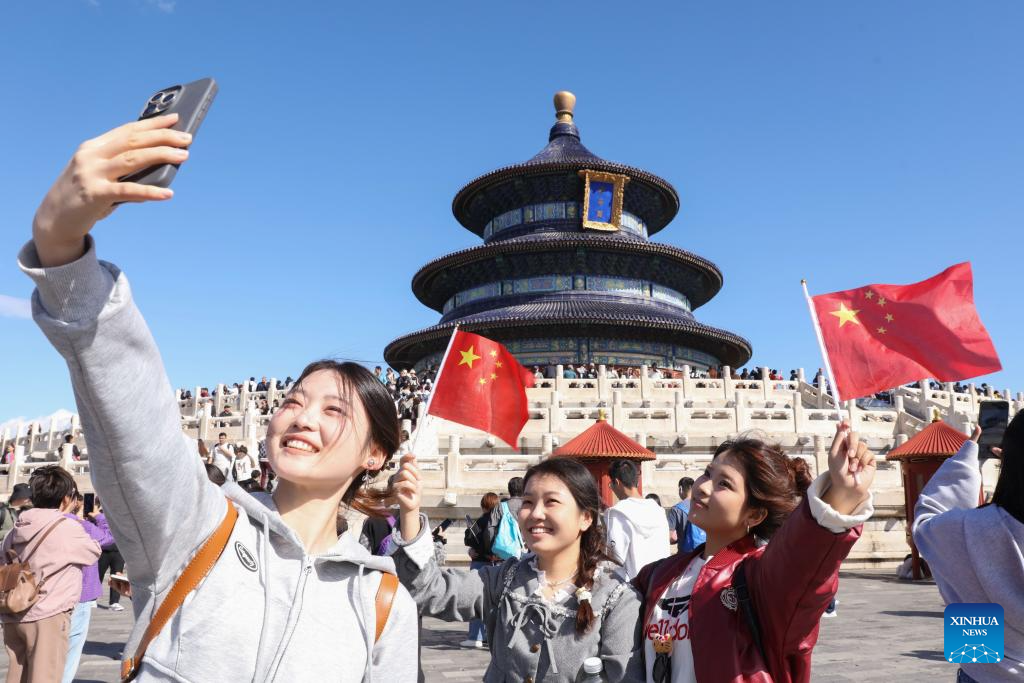
Cities prepare thousands of activities
Local authorities are expected to play a major role in the campaign, with thousands of events planned across different regions.
The programmes are expected to range from cultural exhibitions and traditional festivals to performances, food events and outdoor activities. Some destinations are also promoting night time tourism, family entertainment and experiences centred on local heritage.
China's tourism authorities have increasingly used consumer subsidies and vouchers as part of efforts to encourage spending. A similar national tourism consumption campaign in 2025 included more than 29,000 cultural and tourism activities and distributed more than 480 million yuan in consumer subsidies.
The 2026 campaign follows that approach, combining discounts with a larger supply of tourism products and events.
For travellers, the incentives can reduce the cost of attractions, accommodation and other holiday activities. For local economies, officials are seeking to spread spending beyond major tourist sites and into restaurants, retail businesses, entertainment venues and other service industries.
The strategy also fits with a broader effort to connect tourism with cultural consumption.
Cross border travel adds another source of demand
Domestic tourism is not the only area showing increased activity.
China's border authorities handled 499 million inbound and outbound trips during the first eight months of 2026, an 8.7 percent increase from the same period last year, according to the National Immigration Administration.
The figure included 242 million trips by residents of mainland China, 196 million trips involving residents of Hong Kong, Macao and Taiwan, and 61.29 million trips by foreign nationals.
Foreign travel into China has also been increasing. The National Immigration Administration reported that foreign nationals accounted for 61.29 million inbound and outbound trips during the January to August period, up 19.5 percent year on year.
Visa free travel has also expanded in importance. Of the foreign entries recorded during the period, 23.72 million were made without a visa, representing 77.6 percent of all foreign entries and an increase of 26.8 percent from a year earlier.
The figures point to increased movement both within China and across its borders as the country heads into the autumn holiday season.
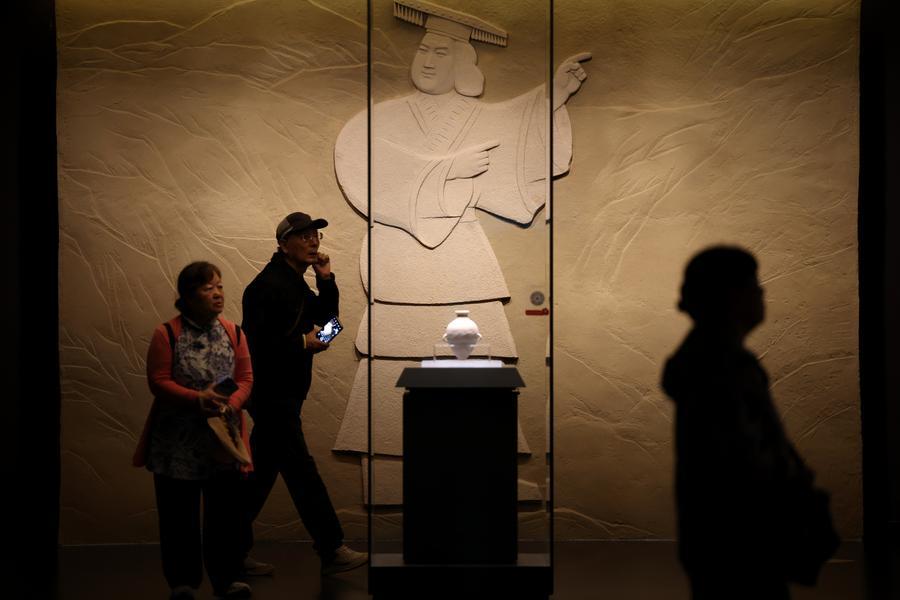
Immigration authorities prepare for holiday traffic
The expected increase in travel is likely to put additional pressure on airports, railway stations, highways and border checkpoints during the two holiday periods.
China's immigration authorities have forecast average daily cross border passenger flows of more than 2 million during both the Mid Autumn Festival and National Day holidays, with the busiest day expected to record more than 2.4 million crossings.
The scale of the expected movement reflects the importance of the holiday period not only for tourism but also for transportation, hospitality, retail and other consumer facing businesses.
The growth in cross border traffic also comes as China records higher levels of foreign arrivals. During the first half of 2026, the country recorded 369 million inbound and outbound crossings, up 10.8 percent year on year, according to the National Immigration Administration.
Foreign inbound trips reached 22.91 million during that six month period, an increase of 20.4 percent from a year earlier.
Tourism becomes part of a wider spending strategy
The latest campaign places tourism within a much broader consumption strategy.
A visitor travelling to another city may spend money not only on a hotel and attraction ticket, but also on restaurants, public transport, cultural performances, shopping, sporting events and locally produced goods.
That makes the holiday period important for businesses well beyond the traditional tourism sector.
Recent tourism campaigns in China have increasingly connected travel with dining, entertainment, sports, health, retail and cultural activities. During the 2025 National Day and Mid Autumn Festival holiday, authorities reported a similar expansion of tourism related consumption, with destinations using performances, museums, technology enabled attractions, food and intangible cultural heritage experiences to attract visitors.
Cities are also developing more specialised programmes to capture different groups of travellers.
Guangzhou, for example, has announced more than 2,000 cultural and tourism activities for the 2026 Mid Autumn Festival and National Day period. The programme includes exhibitions, intangible cultural heritage events, music performances, sports competitions, food experiences and other attractions.
Such programmes show how local governments are using major holidays to combine tourism with broader city based consumption.
For businesses, the immediate focus will be on converting increased visitor numbers into spending across hotels, restaurants, attractions, entertainment venues and retail outlets.
For travellers, the expanding range of events and subsidies could also mean more choices at different price points during the holiday period.
As China prepares for the two major autumn holidays, will the new wave of discounts, cultural events and travel products translate into another strong season for tourism spending?