

China and Russia have pledged closer maritime cooperation, with senior officials in Beijing agreeing to work together to protect their legitimate maritime interests, strengthen regional security and maintain the normal passage of major international shipping routes. The meeting reflects both governments’ stated intention to expand cooperation at sea, including in Arctic affairs and international maritime governance.
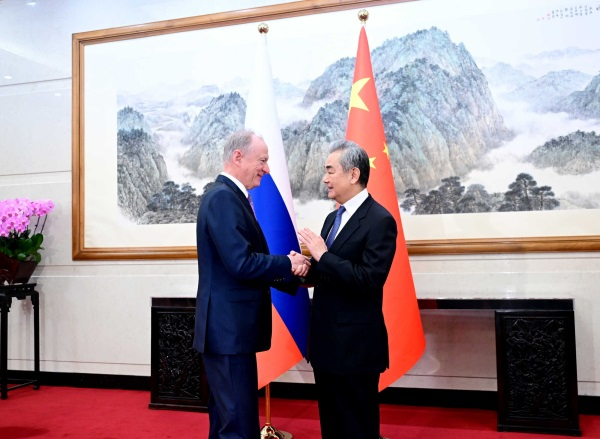
Wang Yi, a member of the Political Bureau of the Communist Party of China Central Committee and director of the Office of the Central Commission for Foreign Affairs, met Nikolai Patrushev, an aide to the Russian president and chairman of Russia’s Maritime Board, in Beijing.
During the meeting, Wang said China was prepared to strengthen strategic coordination with Russia on maritime issues. He outlined several areas for cooperation, including the protection of maritime interests, security in the Asia Pacific region, the movement of energy resources and the reliable operation of production and supply chains.
Both sides also expressed support for expanding exchanges on maritime and Arctic affairs and contributing to international efforts to improve maritime governance.
Beijing calls for stronger maritime coordination
Wang’s remarks placed maritime cooperation within the wider relationship between China and Russia. He said the two countries should work together to safeguard their legitimate maritime rights and interests while supporting the normal operation of key global shipping routes.
International shipping connects producers, manufacturers and consumers across continents. Commercial vessels transport energy resources, industrial materials, agricultural products and finished goods, making reliable sea access important to international trade.
Disruptions to major routes can affect delivery schedules, transportation costs and the movement of essential supplies. For countries that depend on maritime trade, maintaining access to shipping lanes is therefore an economic concern as well as a security issue.
Wang said China and Russia should support the safe passage of vessels through important international routes while respecting the sovereignty and security of coastal states. His remarks presented maritime cooperation as a matter that involves both the interests of individual countries and the broader operation of the international shipping system.
The reference to coastal states is significant to the framework outlined by Wang. Maritime activity takes place across waters subject to different legal arrangements and national jurisdictions. Cooperation between major powers must therefore account for the rights and security concerns of other countries that border or depend on those waters.
Wang also called for closer coordination on maritime security in the Asia Pacific region. The statement did not identify specific incidents, disputed waters or operational arrangements, nor did it announce a new maritime security agreement.
Instead, the meeting focused on the broader direction of bilateral cooperation and the areas in which Beijing and Moscow want to strengthen their coordination.
Energy supplies and trade routes remain priorities
Energy security was another major element of Wang’s remarks. He said the two countries should work to ensure stable energy supplies and the safe operation of production and supply chains.
Maritime transport plays an important role in moving oil, gas and other resources between producing countries and international markets. Reliable shipping connections also support the movement of equipment, components and raw materials used by businesses across different industries.
For governments, maintaining these connections involves more than protecting individual vessels. It also requires attention to the security of ports, transport infrastructure and the wider systems that allow goods to reach their destinations.
Wang’s comments linked maritime security with these economic concerns, indicating that China sees cooperation with Russia as extending beyond naval or diplomatic matters.
However, the statement did not provide details of specific energy transport projects, shipping agreements or new supply commitments. It also did not set out a timetable for implementing the proposed cooperation.
The emphasis remained on the two governments’ willingness to coordinate their approaches and protect the conditions needed for international shipping and commercial activity to continue.
Arctic affairs added to the cooperation agenda
Wang also called for expanded exchanges between China and Russia on maritime and Arctic affairs.
The Arctic has become an area of growing international interest because of its geographical position, maritime access and economic potential. Its waters connect parts of Europe, Asia and North America, although navigation conditions and operating requirements vary considerably across the region.
Any expansion of commercial shipping in Arctic waters involves practical considerations, including weather, ice conditions, infrastructure and maritime safety. International cooperation can also involve environmental protection, emergency response and the management of shipping activity.
Wang’s remarks indicated that Arctic affairs would remain part of the broader discussion between Beijing and Moscow. However, the meeting announcement did not identify a particular Arctic route, announce a new infrastructure project or provide details of planned joint operations.
The two countries’ stated intention to increase exchanges suggests that maritime questions will continue to form part of their bilateral engagement. The precise scope of any future initiatives, including their commercial or security components, was not specified.
The Arctic reference also broadens the geographical scope of the meeting beyond the Asia Pacific region. Rather than limiting cooperation to one maritime area, Wang called for coordination across a wider range of international shipping and governance issues.
Russia backs closer maritime cooperation with China
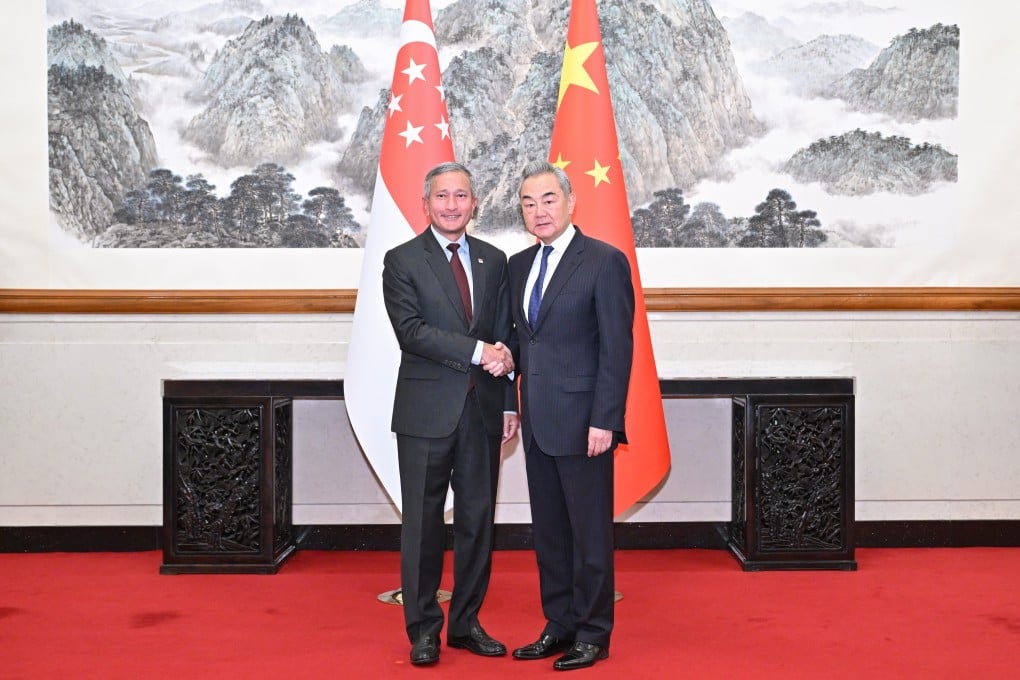
Patrushev said the international situation was turbulent and argued that the comprehensive strategic partnership between Russia and China was more important than ever.
He expressed Russia’s willingness to strengthen cooperation with China on maritime multilateral governance. He also supported joint efforts to promote the concept of a maritime community with a shared future, a phrase used by Beijing to describe its approach to international maritime cooperation.
Patrushev said closer work on these issues would add another dimension to the countries’ wider strategic relationship.
His comments showed that Moscow was prepared to pursue the maritime agenda outlined during the meeting. Like Wang, however, he did not announce a specific new agreement, provide an implementation schedule or identify concrete measures that would immediately change shipping operations.
The discussion instead established shared priorities and signalled an intention to continue working together through bilateral engagement and international maritime forums.
Multilateral maritime governance involves discussions among countries and international institutions about issues affecting the use, security and management of the seas. These questions can include navigation, maritime safety, the rights of coastal states and cooperation over shared challenges.
China and Russia have indicated that they want to contribute jointly to these discussions. Their meeting did not specify which institutions or initiatives would receive priority, leaving the practical details of future cooperation open.
What the meeting means for global shipping
The meeting in Beijing sets out an agenda that combines maritime security, economic interests and international governance. Both governments want closer coordination, while China has specifically emphasised energy supplies, production networks, coastal state sovereignty and the normal passage of major shipping routes.
Those priorities reflect the broad range of interests connected to maritime activity. Shipping routes serve commercial operators, energy producers and importing countries, while governments also consider national security and their legal rights at sea.
The officials’ statements nevertheless remain commitments to cooperation rather than evidence of a completed operational arrangement. The announcement provides no new rules for commercial vessels, no confirmed joint patrol schedule and no specific mechanism for responding to disruptions along international shipping routes.
Further details would be needed to determine how the proposed coordination will work in practice, which maritime areas will receive the most attention and whether the two governments will introduce formal agreements or joint initiatives.
For now, Wang and Patrushev have confirmed their intention to deepen maritime engagement and strengthen the role of China and Russia in international maritime governance.
Will Beijing and Moscow turn their shared maritime priorities into concrete agreements that improve shipping security and protect the flow of global trade?